Pakistan Offers to Host US-Iran Peace Talks Amid Regional Tensions
Pakistan has offered to host peace talks between the United States and Iran, signaling a potential diplomatic avenue amid escalating Middle East tensions. Expert Mehran Kamrava suggests that while negotiations are complex, various nations have attempted to foster dialogue. Qatar, facing direct impacts from the conflict, has become reluctant to mediate due to perceived risks and its own vulnerability.

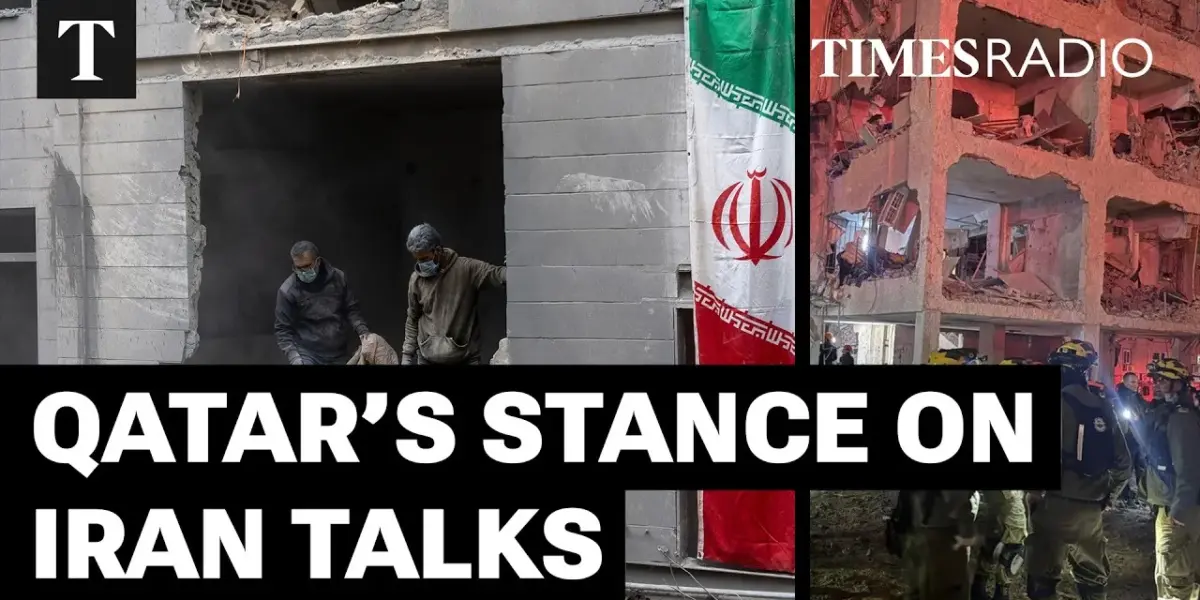
US-Iran Peace Talks Eyed Amid Escalating Middle East Conflict
Pakistan has announced its readiness to host potential peace talks between the United States and Iran, a move that could offer a diplomatic pathway to de-escalate tensions in the Middle East. The announcement follows a five-day window for discussions with Iran, revealed by the White House. While Iran has denied any direct talks are currently underway, the White House described the negotiation plans as “fluid.” Meanwhile, Israel has vowed to continue its military actions, with further strikes on Iran reportedly occurring today.
Expert Weighs In on Negotiation Prospects
Mehran Kamrava, a professor at Georgetown University in Qatar and an expert on Iran, offered his insights into the developing situation. He suggests that the truth about ongoing negotiations likely lies somewhere between official statements. Kamrava confirmed that various nations, including Turkey, Egypt, Oman, and Pakistan, have made efforts to reduce tensions and foster dialogue between Iran and the United States.
“Certainly there have been efforts by governments such as Turkey, Egypt, uh Oman and Pakistan to uh strike some sort of dialogue between Iran and the United States,” Kamrava stated.
He also noted that past statements from some leaders might involve an exaggeration of the facts, but acknowledged that there have been indications of back-and-forth communication among interested parties.
Key Players in Potential Negotiations
Kamrava anticipates that Iran’s Foreign Minister, Arachi, will likely remain the chief negotiator for the Iranian side, a role he has held in previous discussions. These past talks have involved U.S. Special Envoy Steve Wickoff and, at times, Jared Kushner. The potential involvement of U.S. Vice President JD Vance in future talks, as suggested by reports, would be a significant development.
The Question of Targeted Officials
The discussion also touched upon why certain Iranian officials, like Foreign Minister Arachi, have not been targeted by assassinations, a fate that has befallen other pragmatic voices within Iran. Kamrava explained that the potential reputational damage to Israel might outweigh any perceived benefit of eliminating such figures. He also considered the possibility that officials like Arachi and the Iranian President, who are seen as more moderate, might be deliberately left unharmed because they are individuals with whom the U.S. could potentially negotiate.
“The costs of killing someone like him probably would outweigh the benefits of killing him. The cost in terms of the reputational damage that Israel would suffer,” Kamrava elaborated.
JD Vance’s Re-emergence and U.S. Negotiation Strategy
Kamrava addressed the surprising reappearance of JD Vance in discussions about potential peace talks, given his prior absence during the initial phases of the conflict. He theorized that Vance, who reportedly opposed the war, might be brought into negotiations now that peace talks are being considered. Another possibility is that the U.S. seeks greater expertise in negotiations, especially if they feel their previous envoy, Steve Wickoff, was outmatched by the experienced Iranian negotiator.
Life in Qatar Amidst Regional Instability
Turning to the situation in Qatar, Kamrava described life as far from normal due to the ongoing regional conflict. He highlighted that a large portion of Qatar’s population consists of expatriates who are accustomed to a high quality of life and safety, both of which have been disrupted by recent events. There is a widespread desire for the conflict to end so that life can return to normal.
Qatar’s Shifting Role in Mediation
Kamrava explained Qatar’s current reluctance to play a mediating role, a position it has held in past diplomatic efforts. He cited two main reasons for this shift. Firstly, Qatar has been on the receiving end of Iranian missile attacks, making it appear less neutral and potentially unwilling to be seen as appeasing Iran. Secondly, Kamrava pointed to the inherent risks involved in mediation; if negotiations fail, the mediator can face negative consequences.
“Whenever you engage in negotiations, there’s a certain amount of risk that you undertake if those negotiations fall apart. And in light of the tragedy that is Gaza and Qatar’s repeated efforts to negotiate there and still kind of those negotiations never really bore fruit, I think is now reluctant to be involved in this round of in this form of negotiations that are quite difficult and very fraught,” Kamrava concluded.
Given these factors, Pakistan appears to have stepped into the space previously occupied by Qatar as a potential facilitator for U.S.-Iran dialogue.
Source: Qatar ‘Reluctant’ To Get Involved in Iran War Negotiations | Mehran Kamrava (YouTube)

Related Articles

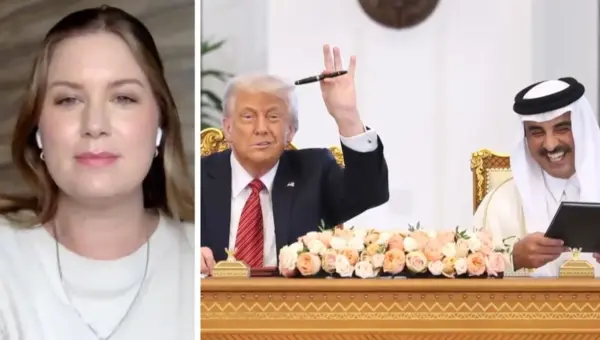
Gulf States Demand Seat at Table on Iran’s Nuclear Future
Gulf states are demanding a seat at the table for any U.S.-Iran talks regarding Iran's nuclear future. This move reflects a growing assertiveness and a desire to shape regional security directly. It signals a potential shift towards more inclusive diplomatic efforts in the Middle East.


Israelis Forge Resilience Amidst Constant Bomb Shelter Drills
Life in Israel is a blend of resilience and constant vigilance, with many families adapting to frequent bomb shelter drills and even sleeping in makeshift shelters. Despite ongoing missile attacks, Israelis strive to maintain normalcy, though businesses face disruption and emotional fatigue is a growing concern.
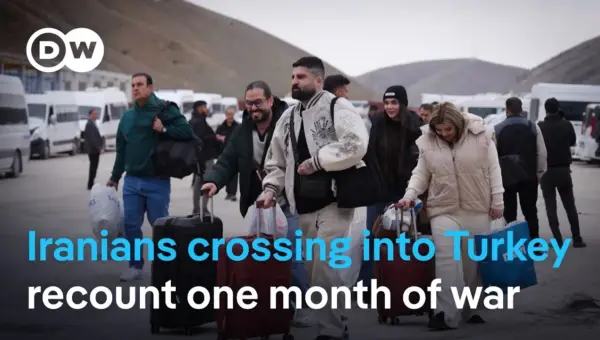
Iran War Exodus: Refugees Flee to Turkey Amidst Bombings
A train from Tehran brings refugees to Turkey, fleeing daily bombings and economic collapse. Many express deep fear for loved ones left behind, while some hold onto national pride and hope for victory. The conflict's impact is also felt economically in Turkey, with rising gas prices.