Pakistan Offers Peace Talks to Ease US-Iran Conflict
Pakistan has formally offered to host peace talks between the U.S. and Iran amidst escalating conflict. Key Iranian demands include security guarantees and control over the Strait of Hormuz, posing challenges for a potential deal. This mediation effort highlights the growing role of regional powers in global diplomacy.

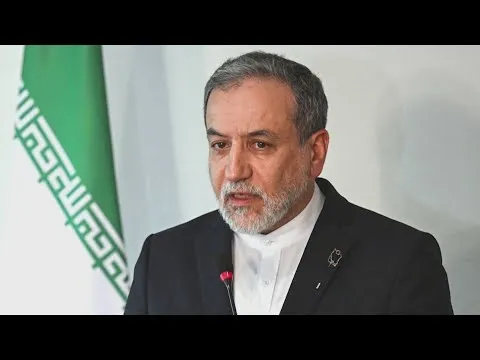
Pakistan Steps In as US-Iran Tensions Flare
Pakistan has formally offered to host peace talks between the United States and Iran, aiming to end the ongoing war. This move comes as President Trump has suggested a potential for peace, while simultaneously considering sending the 82nd Airborne division into action. The situation is further complicated by Israel’s increased attacks on Lebanon.
Pakistan’s Diplomatic Push
Pakistan’s Prime Minister has stated that his country welcomes and fully supports efforts to begin dialogue. He emphasized that Pakistan is ready to host these important conversations for a lasting peace. This offer is conditional on both the U.S. and Iran agreeing to the terms. The Prime Minister’s statement highlights the desire for peace and stability in the Middle East and beyond.
US and Iran: Mixed Signals
President Trump has indicated that he is moving closer to a deal with Iran. However, details about who in his administration is negotiating with Tehran remain unclear. While the U.S. has been hitting Iranian targets, especially those threatening the Strait of Hormuz, President Trump has also stated he will wait five days before striking Iranian power plants. This suggests a willingness to pause, at least temporarily.
On the Iranian side, there have been mixed signals. Iran’s Foreign Minister has repeatedly said that no formal talks are happening with Washington. However, Iran has been in communication with diplomats from countries like Egypt, Turkey, and Pakistan, who have been acting as mediators. This shows Iran is open to discussions, but perhaps not through direct, formal U.S.-Iran channels yet.
Key Demands for a Deal
For any peace talks to succeed, several key demands from Iran would need to be addressed. These have been shared publicly and include:
- Security guarantees that the war will not restart.
- Compensation for wartime losses, with some Iranians using the term “reparations.”
- Formal control over the Strait of Hormuz.
- No limitations on Iran’s ballistic missile program.
The demand for no limits on ballistic missiles is seen as particularly difficult for both Israel and the U.S. to accept. Iran appears ready to stand firm on this point, believing it has leverage.
Regional Context and Concerns
The conflict’s escalation is having ripple effects across the region. Israel’s expanded attacks on Lebanon add another layer of complexity. The Strait of Hormuz is a vital waterway for global oil shipments, making any threat to its security a major international concern. The U.S. military action targeting facilities related to threats against the Strait shows the high stakes involved.
Why This Reshapes the World Order
This situation highlights a complex web of competing interests. The U.S. seeks to ensure regional stability and protect vital shipping lanes, while also potentially seeking to de-escalate a costly conflict. Iran is focused on its national security, economic recovery, and asserting its regional influence, particularly concerning its missile capabilities and control over strategic waterways.
Pakistan’s willingness to mediate shows the growing role of middle powers in global diplomacy. They are stepping in to fill gaps where direct communication between major powers is strained. This could signal a shift towards a more multipolar approach to conflict resolution, where regional players play a more active role in managing international crises.
Future Scenarios
Several paths forward are possible. Direct U.S.-Iran talks could occur, possibly hosted by Pakistan, leading to a de-escalation. However, if talks fail, the U.S. might proceed with strikes on Iranian power facilities, potentially widening the conflict. Another scenario is a continued state of low-intensity conflict with ongoing mediation efforts, where immediate demands are not met, but direct confrontation is avoided.
Many observers in Israel are skeptical about the possibility of a deal, believing the gap between U.S. and Iranian demands is too wide. This suggests that achieving a comprehensive settlement will be a significant challenge, requiring major compromises from all sides.
Source: Iran has list of demands for peace talks with US | NewsNation Live (YouTube)

Related Articles

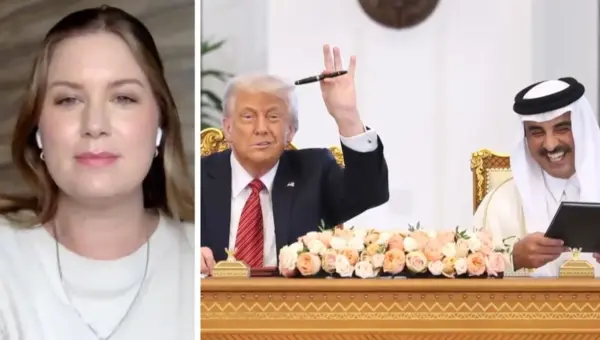
Gulf States Demand Seat at Table on Iran’s Nuclear Future
Gulf states are demanding a seat at the table for any U.S.-Iran talks regarding Iran's nuclear future. This move reflects a growing assertiveness and a desire to shape regional security directly. It signals a potential shift towards more inclusive diplomatic efforts in the Middle East.


Israelis Forge Resilience Amidst Constant Bomb Shelter Drills
Life in Israel is a blend of resilience and constant vigilance, with many families adapting to frequent bomb shelter drills and even sleeping in makeshift shelters. Despite ongoing missile attacks, Israelis strive to maintain normalcy, though businesses face disruption and emotional fatigue is a growing concern.
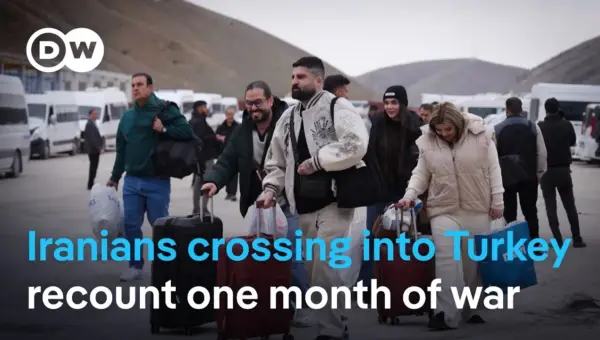
Iran War Exodus: Refugees Flee to Turkey Amidst Bombings
A train from Tehran brings refugees to Turkey, fleeing daily bombings and economic collapse. Many express deep fear for loved ones left behind, while some hold onto national pride and hope for victory. The conflict's impact is also felt economically in Turkey, with rising gas prices.