Pakistan Offers Peace Talks Amid Iran-US Tensions
Pakistan has stepped forward to offer itself as a host for potential U.S.-Iran peace talks, amidst ongoing military exchanges and mixed signals on diplomacy. The initiative comes as tensions remain high with missile strikes and a new front opening between Israel and Hezbollah.

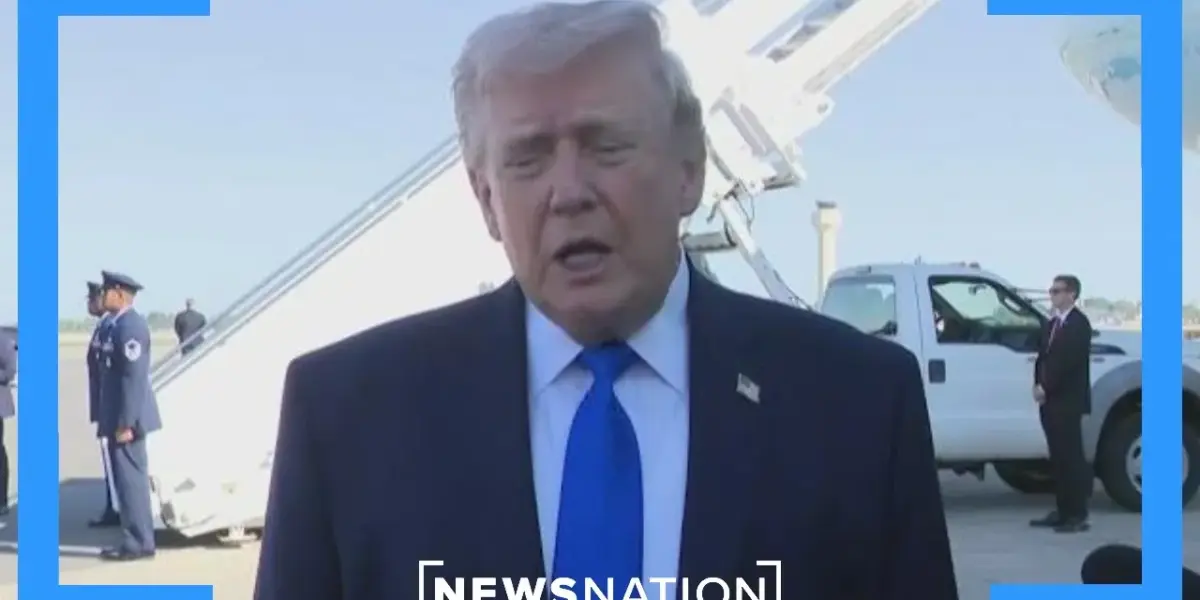
Pakistan Steps In as Mediator in Iran-US Conflict
Pakistan has offered to host peace talks between the United States and Iran, signaling a potential diplomatic opening amidst escalating tensions in the Middle East. This move comes as the US and Iran exchange mixed signals about dialogue, while military actions continue in the region.
Mixed Signals on Diplomacy
President Trump recently suggested that a deal with Iran is possible, noting major points of agreement between the two nations. However, Iran’s Foreign Ministry has stated that no direct talks with Washington are currently happening. Despite these diplomatic undercurrents, the conflict remains active. The United Arab Emirates reported intercepting five ballistic missiles and seventeen drones launched from Iran.
Pakistan’s Diplomatic Initiative
Pakistan’s Prime Minister has issued a statement welcoming and fully supporting efforts to end the war through dialogue. The statement emphasizes that Pakistan stands ready and honored to host meaningful and conclusive talks for a comprehensive settlement, provided both the U.S. and Iran agree. While no meetings are confirmed yet, this indicates that diplomatic channels are actively being explored behind the scenes.
“Pakistan welcomes and fully supports ongoing efforts to pursue dialogue to end the war in the Middle East in the interest of peace and stability in the region and beyond,” the statement read. “Subject to concurrence by the U.S. and Iran, Pakistan stands ready and honored to be the host to facilitate meaningful and conclusive talks for a comprehensive settlement of the ongoing conflict.”
Continued Military Action
The diplomatic efforts are happening alongside continued military actions. Iran has fired ballistic missiles towards Israel, some of which have managed to bypass Israel’s Iron Dome defense system. These strikes have caused damage to residential areas, highlighting the ongoing danger and impact of the conflict on civilian communities. In response, American and Israeli forces have been striking back, with a focus on weakening Iran’s aerial capabilities, particularly those threatening the Strait of Hormuz.
Israel-Hezbollah Front Opens
Adding another layer to the regional instability, Israel and Hezbollah continue to exchange fire. This has led to a second front opening up in Lebanon. Israel has conducted strikes against Hezbollah targets and has troops operating on the ground, destroying bridges and securing routes. Israel’s Defense Minister stated that if there is terror and rockets, there will be no homes and residents, indicating a readiness for a prolonged operation in southern Lebanon.
Israel has also expressed strong criticism of the Lebanese government, stating it has failed to control Hezbollah and curb Iranian influence. This has prompted Lebanon to announce the expulsion of the Iranian ambassador, a significant move in response to the escalating tensions and the opening of this new front.
Global Impact
The involvement of Pakistan as a potential mediator is significant. Pakistan has historical ties with both the U.S. and Iran, making it a credible go-between. The ongoing conflict, with its missile strikes and the opening of new fronts, poses a threat to regional stability and global energy markets. Any successful de-escalation through diplomacy, facilitated by countries like Pakistan, would be crucial for preventing wider conflict and ensuring peace in the Middle East.
Historical Context
The current tensions echo past conflicts and diplomatic efforts in the Middle East. The U.S. has a long history of engagement and confrontation with Iran, particularly following the 1979 Iranian Revolution. The involvement of regional powers like Pakistan in mediating disputes is also a recurring theme in the region’s diplomatic history, aiming to prevent conflicts from spiraling out of control.
Economic Considerations
The Strait of Hormuz is a vital waterway for global oil shipments. Any disruption here due to military action can significantly impact global energy prices and supply chains. The conflict also involves the threat of sanctions and counter-sanctions, further complicating economic relations between the involved parties and their allies.
Future Scenarios
One future scenario is that diplomatic efforts, like Pakistan’s offer, gain traction, leading to a de-escalation and eventual peace talks. Another possibility is that the conflict continues to escalate, with the opening of new fronts and increased military actions, potentially drawing in more regional and international actors. A third scenario involves a prolonged period of high tension with sporadic military exchanges, creating ongoing instability.
Source: Pakistan 'ready and honoured' to host US-Iran talks: PM | NewsNation Live (YouTube)

Related Articles


Iran Targets US With Cyberattacks, Escalating Digital Warfare
Iran is increasingly using cyberattacks to challenge the U.S., as seen in a recent hack of the FBI director's account. Experts say this is a strategic shift due to Iran's limitations in conventional warfare. The U.S. needs to strengthen its digital defenses, focusing on encryption and cloud computing, rather than solely relying on traditional security measures.

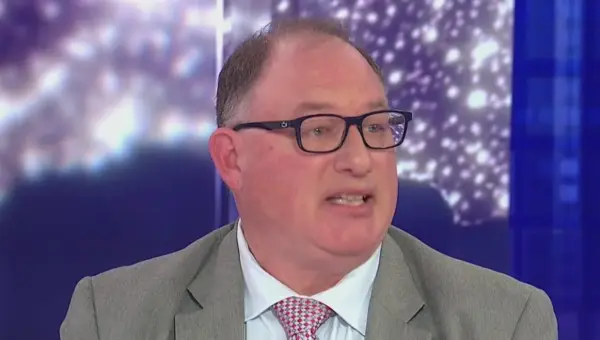
Iran Hacks FBI Chief, Exposing U.S. Cyber Vulnerabilities
A recent hack of FBI Director Kash Patel's personal email by an Iran-linked group highlights Iran's growing cyber threat to the U.S. Experts explain how simple security oversights are exploited, emphasizing the need for basic defenses like two-factor authentication to protect against propaganda and potential infrastructure attacks.

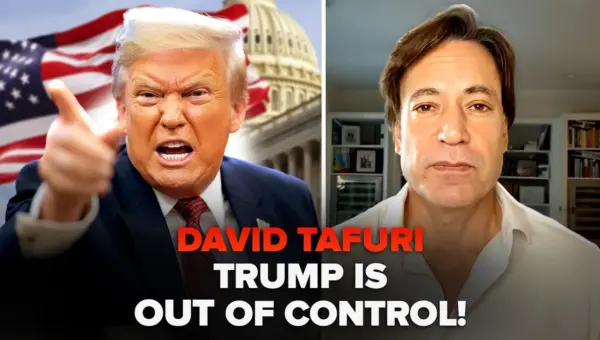
Trump Halts Iran Strikes Amid Stalled Diplomacy
President Trump announced a pause on planned strikes against Iran, citing productive talks, though Iran denies negotiations occurred. Reports also suggest a potential U.S. ground operation on Iran's Hark Island. The situation raises concerns about international support for Ukraine and potential shifts in U.S. foreign policy.