Pakistan Navigates Tightrope Between Iran and Saudi Arabia
Pakistan is navigating a complex diplomatic tightrope, balancing its crucial alliances with Saudi Arabia and its neighbor Iran amidst escalating Middle East tensions. The country faces pressure to align with one side following Iran's retaliation against Saudi Arabia after US and Israeli attacks, but is actively seeking to avoid choosing a side.

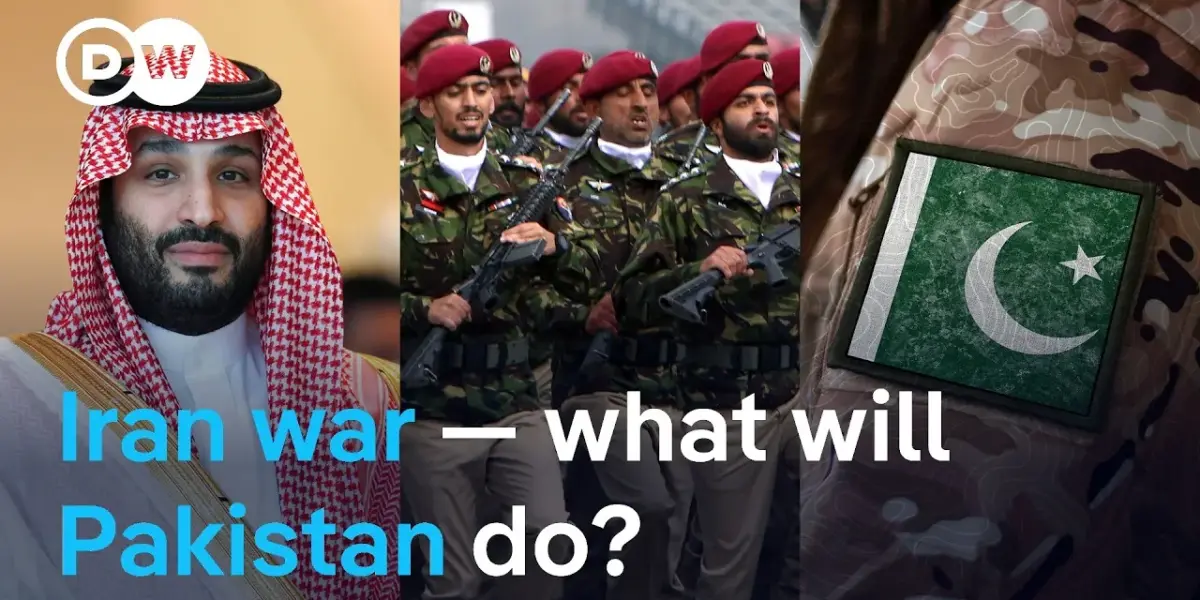
Pakistan Faces Diplomatic Challenge Amidst Regional Tensions
Pakistan finds itself in a precarious diplomatic position, caught between its key allies Saudi Arabia and its neighbor Iran. A recent mutual defense pact signed with Saudi Arabia, linking the wealthy kingdom’s oil with Pakistan’s nuclear capabilities, has become a complex challenge following escalating tensions in the Middle East. The agreement, intended to strengthen ties, now forces Pakistan to balance its commitments as Iran and Saudi Arabia become embroiled in regional conflict.
A Difficult Balancing Act
The situation escalated when Iran, following attacks by the US and Israel, retaliated by striking Gulf nations, including Saudi Arabia. This put Pakistan in a difficult spot: its friend and neighbor Iran was attacking its ally Saudi Arabia. The Pakistani government has attempted to navigate this complex situation by condemning the US and Israeli attacks on Iran while simultaneously denouncing Iran’s strikes on Saudi Arabia and other Gulf countries. A spokesperson for the prime minister stated, “If and when, whatever is needed from Pakistan visa v Saudi Arabia, Pakistan will be there before it’s needed.” This challenging stance was further illustrated by Pakistan’s votes at the United Nations Security Council, where it supported resolutions condemning both Iran’s actions and, indirectly, the US and Israeli interventions.
Deep Historical Ties with Saudi Arabia
Pakistan and Saudi Arabia have long-standing, multi-faceted relationships. These ties are built on shared religious significance, with Saudi Arabia housing Islam’s holiest sites, and millions of Pakistanis working in the kingdom, sending vital remittances home. Economically, Saudi Arabia has provided crucial financial support to Pakistan, especially during its recent economic difficulties, including deposits in Pakistan’s central bank to bolster reserves. Historically, Saudi Arabia offered Pakistan free oil after its 1998 nuclear tests to help mitigate Western sanctions. Defense cooperation is also a cornerstone, with Pakistani soldiers previously stationed in Saudi Arabia and even guarding its borders during the Iran-Iraq war. Currently, a former Pakistani army chief leads a Saudi counterterrorism force.
Past Hesitation and Present Commitments
Despite these strong ties, Pakistan has shown a reluctance to be drawn into conflicts involving Saudi Arabia. In 2015, when Saudi Arabia and the UAE attacked Houthi rebels in Yemen, Pakistan’s parliament voted against joining the military action. This decision was driven by a desire to avoid foreign wars and strong public opposition, coupled with a need to avoid antagonizing Iran, which backs the Houthis. This echoes Pakistan’s current sentiment: “We do not want to become a part of the conflict equation of the Middle East. But at the same time, we are very committed to Saudi Arabia. We are very committed to the Gulf States. We are very committed to good relations with Iran.”
Border Concerns and Internal Dynamics with Iran
Pakistan’s relationship with Iran is significantly influenced by their shared 900-kilometer border. This border runs through the Balochistan province, a region inhabited by the ethnic Baloch people, who live on both sides. Armed Baloch separatists have been active in both countries, leading to concerns about instability. Pakistan worries that hostilities with Iran or a chaotic situation on the Iranian side could create security problems along the border, potentially allowing militants free rein. The ethnic and sectarian makeup of Pakistan also plays a role; roughly 20% of Pakistan’s population is Shia, making Islamabad sensitive to public sentiment regarding Iran. Following the US and Israeli attacks on Iran, pro-Iran demonstrations occurred in Pakistan, highlighting this sensitivity.
Public Opinion and National Solidarity
Public opinion in Pakistan appears to lean strongly in favor of Iran, largely due to the perception that Iran is the victim of aggression from the United States and Israel. This sentiment appears to transcend sectarian divisions, with both Shia and Sunni populations expressing solidarity with Iran. Media commentary and the stances of political parties reflect this national response, emphasizing support for the Iranian government.
The Perilous Tightrope Walk
Pakistan’s government is actively trying to maintain a delicate balance between its relationships with Saudi Arabia and Iran. This balancing act has become significantly more challenging due to the ongoing conflict. While condemning the attacks on Iran by the US and Israel, Pakistan has also condemned Iran’s retaliatory attacks on Saudi Arabia and other Gulf nations. This strategy reflects Pakistan’s commitment to both allies and its desire to avoid choosing sides. The current conflict makes this tightrope walk increasingly perilous.
Seeking a Mediator Role?
While there is speculation about Pakistan potentially mediating between Saudi Arabia and Iran, there is no concrete information to confirm this. What is clear is Pakistan’s strong desire for the conflict to end quickly and for all parties to pursue negotiation. The country also wants the attacks on Gulf nations to cease. Pakistan is actively nurturing its relationship with Saudi Arabia through high-level political and military visits, while engaging with Iranian leadership without taking military action on behalf of the Saudis. Some suggest Pakistan should aim to be a “bridge state” rather than picking sides, working to de-escalate tensions and maintain its crucial ties with both nations.
Source: How Pakistan is torn between Iran and Saudi Arabia | DW News (YouTube)

Related Articles

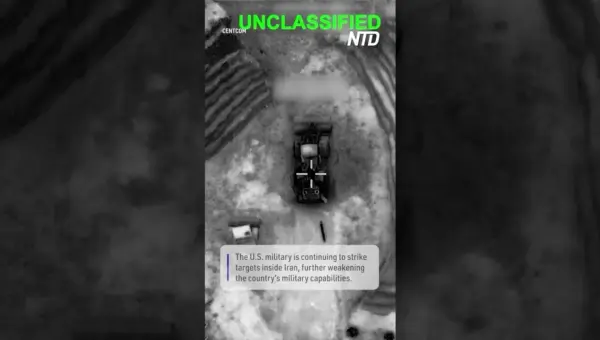
US Strikes Cripple Iran’s Military Might, CENTCOM Reports
U.S. Central Command reports ongoing strikes inside Iran are significantly weakening its military power. This direct action aims to reshape regional security dynamics, but carries risks of escalation. The long-term impact depends on Iran's response and ability to adapt.


Iran Targets US With Cyberattacks, Escalating Digital Warfare
Iran is increasingly using cyberattacks to challenge the U.S., as seen in a recent hack of the FBI director's account. Experts say this is a strategic shift due to Iran's limitations in conventional warfare. The U.S. needs to strengthen its digital defenses, focusing on encryption and cloud computing, rather than solely relying on traditional security measures.

Iran Hacks FBI Chief, Exposing U.S. Cyber Vulnerabilities
A recent hack of FBI Director Kash Patel's personal email by an Iran-linked group highlights Iran's growing cyber threat to the U.S. Experts explain how simple security oversights are exploited, emphasizing the need for basic defenses like two-factor authentication to protect against propaganda and potential infrastructure attacks.