Pakistan Mediates US-Iran Peace Talks Amid Shifting Alliances
Pakistan is stepping into a critical mediation role between the United States and Iran, leveraging its unique position and historical ties. Once known for harboring Osama bin Laden, the nation now seeks to broker peace amid escalating tensions, supported by its military leadership and influenced by China's regional strategy. Despite these efforts, hopes for a lasting resolution remain limited, highlighting America's shifting global standing and the severe economic impact on developing nations.

Pakistan Steps In to Broker US-Iran Peace Deal
In a surprising turn of events, Pakistan has emerged as a key mediator in the escalating tensions between the United States and Iran. The fate of a potential peace deal now rests on Pakistan’s ability to bring both nations back from the brink of conflict. This role marks a significant shift for a country often known internationally for harboring Osama bin Laden, a fact that led to a lack of trust from the U.S. in the past. Now, however, Pakistan’s unique geographic position and historical ties with Tehran have positioned it as a trusted intermediary.
From Sheltering Terrorists to Peace Broker
Just a few years ago, Pakistan’s international reputation was at a low point. The U.S. conducted a raid to eliminate Osama bin Laden without informing the Pakistani government, highlighting a deep lack of confidence. Many questioned whether Pakistani officials were unaware or complicit in harboring the world’s most wanted terrorist. This history makes Pakistan’s current role as a potential peacemaker between Iran and the U.S. even more striking.
A Geopolitical Opportunity and Strategic Partnerships
Pakistan’s emergence as a mediator is rooted in a strategic calculation made after Donald Trump’s election. Recognizing Trump’s tendency to create international friction, Pakistan saw a geopolitical opportunity. The country invested heavily in lobbying efforts in Washington D.C. and sought new avenues for influence, especially as American focus shifted away from Afghanistan. This strategy involved cultivating ties with individuals close to Trump, including participating in a cryptocurrency venture linked to the Trump family and even nominating Trump for the Nobel Peace Prize. These actions aimed to rebuild leverage and re-enter the U.S. foreign policy discussion.
The Role of Pakistan’s Military Leader
The true political power in Pakistan, according to experts, lies not with the Prime Minister but with the military chief, General Asim Munir. Despite facing criticism in the past, Munir has been instrumental in this geopolitical repositioning. He has spearheaded efforts to strengthen ties with the Trump administration and its associates, creating a pathway for Pakistan to play a more significant role on the international stage. This military leadership has been central to Pakistan’s proactive approach in mediating the current crisis.
Why Pakistan is Crucial in Iran-US Talks
Several factors make Pakistan uniquely suited to mediate between the U.S. and Iran. Firstly, Pakistan relies heavily on the Gulf states for its crude oil supply, making regional stability a national interest. Secondly, few countries possess the trust of Tehran. Pakistan shares a long border with Iran and maintains historical ties, notably by not recognizing the state of Israel, which aligns with Iran’s geopolitical stance. Other potential mediators, like Qatar and Oman, have faced challenges or felt burned in previous negotiations. Pakistan’s involvement also aligns with its desire to project global influence and secure its own interests.
China’s Influence and Regional Dynamics
Pakistan’s diplomatic efforts are also intertwined with China’s growing influence in the region. The Pakistani Foreign Minister visited Beijing before initiating talks with the U.S. and Iran, signaling a coordinated approach. China has significant investments in Pakistan and the Gulf states, and it desires stability in the Strait of Hormuz for its own energy imports. While China may also be indirectly supporting Iran, its broader goal is to facilitate commerce and reduce regional conflict. This suggests a multi-faceted approach where Pakistan acts on behalf of its own interests while also aligning with China’s regional agenda.
Challenges and Limited Expectations
Despite Pakistan’s efforts, the prospects for a lasting peace deal remain uncertain. A significant hurdle is the ongoing dispute over Lebanon, which Iran and Pakistan considered integral to the initial ceasefire terms. The U.S. administration’s subsequent walk-back on this issue, reportedly influenced by Israeli concerns, has complicated matters. This highlights the difficulty the U.S. faces in managing its relationship with Israel, which can undermine American credibility in the region. Experts suggest that while these talks might extend the current ceasefire and facilitate oil trade, they are unlikely to resolve underlying conflicts or prevent future escalations. The situation in Lebanon, if it deteriorates, could easily destabilize the broader region and impact Iran’s position.
America’s Diminished Global Standing
The reliance on Pakistan to broker these crucial talks underscores a perceived decline in American diplomatic power and credibility. The U.S. has previously bombed Iran amidst ongoing negotiations, severely damaging its trustworthiness with Tehran. Pakistan’s role as a nuclear-armed nation offers security assurances to the Iranian delegation, a role the U.S. can no longer effectively fill. This situation reflects a broader trend of diminishing American soft power, leaving other nations to step into diplomatic voids.
Global Economic Repercussions
The conflict’s impact extends beyond the immediate U.S.-Iran tensions, affecting global energy markets and economies. While Americans may feel the pinch of higher gas prices, countries in Asia and Africa, which rely more heavily on fuel imports and have less financial flexibility, are suffering far more. These nations, often experiencing faster economic growth, face severe hardship when energy prices surge. In these regions, the U.S. is increasingly blamed for the instability, rather than Iran.
A Bleak Outlook for the Iranian People
Ultimately, the current diplomatic efforts offer little hope for the Iranian people. Regime change appears off the table, and the Iranian regime may emerge from these talks with increased financial resources and renewed confidence. This outcome suggests that the people living in Iran may not benefit from the current situation, facing continued hardship under the existing leadership.
Source: Pakistan was hiding Bin Laden. Now they're saving Trump's war. (YouTube)

Related Articles

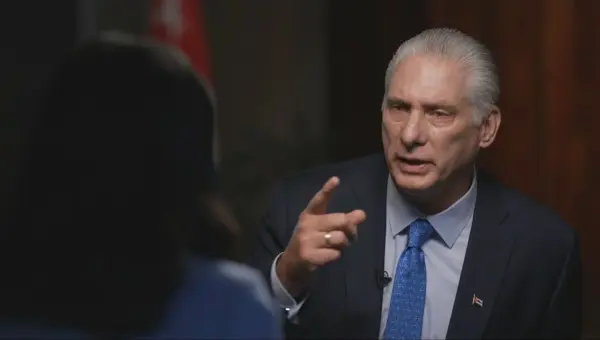
Cuba Vows Fierce Resistance to U.S. Invasion Threats
Cuban President Miguel Díaz-Canel issued a strong warning against U.S. invasion, vowing fierce resistance and sacrifice. He highlighted Cuba's resilience under a decades-long blockade, rejected narratives of collapse, and detailed the nation's defensive strategies and efforts to overcome economic hardship.

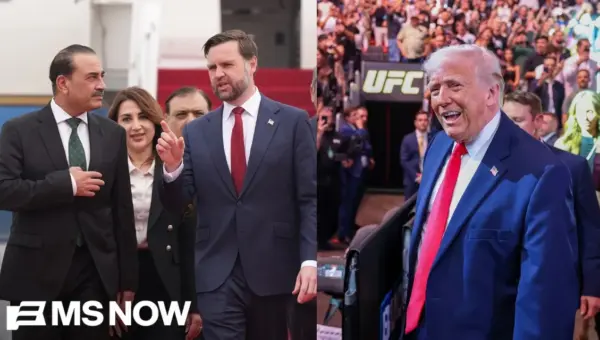
Trump Attends UFC Fight Amidst Iran Peace Talks Collapse
President Trump attended a UFC fight in Miami while high-stakes negotiations with Iran reportedly collapsed. His presence at the event, along with a brief meeting with Joe Rogan, has drawn criticism for appearing to prioritize entertainment over critical diplomacy.

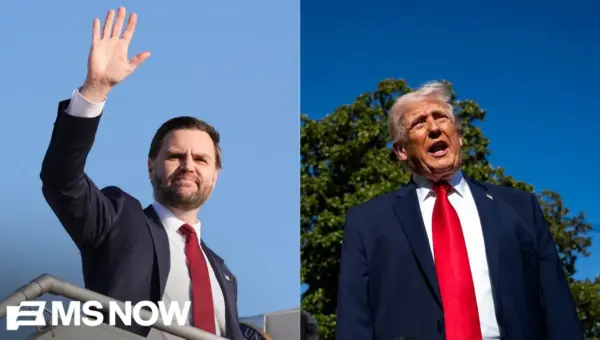
US-Iran Peace Talks Collapse Amid Nuclear Standoff
High-level peace talks between the United States and Iran have collapsed, with Vice President J.D. Vance announcing no agreement was reached after 21 hours of discussions. The primary sticking point was Iran's nuclear ambitions, with the U.S. seeking a clear commitment against developing nuclear weapons. Despite the failure, the historic nature of the meeting and the continuation of a fragile ceasefire offer a sliver of hope for future diplomacy.