Pakistan Mediates High-Stakes Peace Talks Between US and Iran
Pakistan is set to mediate critical peace talks between the United States and Iran in Islamabad this weekend. The negotiations aim to de-escalate rising tensions, with former National Security Advisor Moed Yusef explaining the importance of private discussions and the challenges of overcoming public demands. While cautious optimism surrounds the event, experts stress that a comprehensive deal is unlikely, with a ceasefire extension being a more immediate goal.

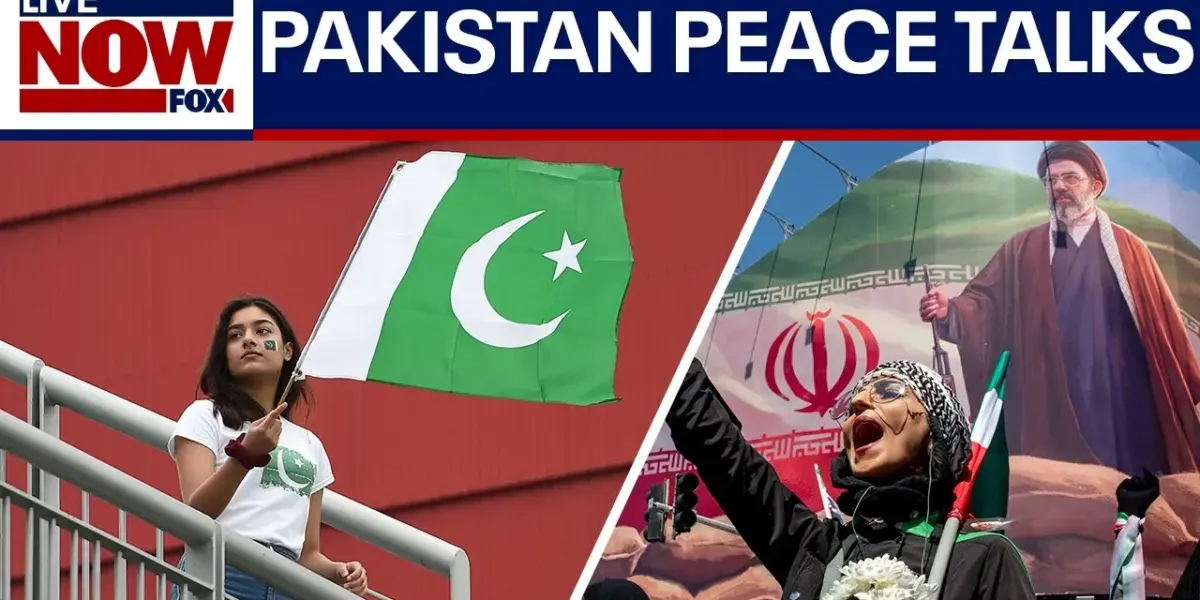
Pakistan Hosts Crucial US-Iran Peace Negotiations
Islamabad, Pakistan – High-stakes peace talks aimed at de-escalating a volatile conflict are set to take place this weekend in Pakistan’s capital, Islamabad. A delegation from the White House and Iranian officials will meet, with Pakistan serving as the mediator in these critical discussions. The talks come at a time when public statements from both sides have been increasingly threatening, making private negotiations crucial for any potential breakthroughs.
Behind Closed Doors: The Reality of Peace Talks
When warring parties engage in peace talks, especially in private, they often become more open to making deals. Moed Yusef, former National Security Advisor to Pakistan’s Prime Minister and now a senior fellow at Harvard’s Kennedy School, explained this phenomenon. “They almost have to be,” Yusef stated, highlighting the significant gap between public demands, such as Iran’s 10-point plan and the US’s original 15-point plan. He emphasized that personal connections and the ability to overcome anger and frustration are key. “Look the other side in the eye. Say what is done is done for now, but in this room, we have to find a way to get to a better future,” he advised, noting the difficulty but necessity of such an approach for any hope of ending the conflict soon.
Fragile Ceasefire and Lingering Confusion
The prospect of these talks follows a period of intense Israeli strikes in Lebanon, which made the recent ceasefire appear fragile. Reports of confusion over whether Lebanon was included in the ceasefire agreement emerged. However, Pakistani officials clarified that Lebanon’s inclusion was clear to both sides. Yusef suggested that such confusion can sometimes stem from a desire to believe what is convenient. “It seems that Israel’s strikes are definitely a violation of the understanding,” he commented, adding that Pakistani officials believe these actions may have been intentional. Despite these challenges, Iran has reportedly been persuaded by Pakistan to avoid immediate retaliation and await the outcome of the talks. “It seems as we stand as of now that both Iran and the US will show up in Islamabad for these very very historic talks,” Yusef confirmed.
Pakistan’s Unique Role in Mediation
Pakistan finds itself in a unique position to mediate these sensitive negotiations. Yusef detailed the country’s advantages: a direct channel to the US President, a long border and established relationship with Iran, strong ties with China, and historical connections with Gulf countries like Saudi Arabia. “You needed all four of these to come together to have a conversation where the go-between could matter,” he explained. This combination of relationships across different spheres—the Muslim world, Islamic nations, and major global powers—makes Pakistan an indispensable mediator in this instance. Yusef acknowledged the risks involved for Pakistan, including potential negative repercussions if the talks fail, but stressed the importance of taking such risks for the sake of global peace. “Frankly this time for the sake of humanity,” he stated, referencing the potential for widespread destruction.
Calculating Strategy for Fragile Ceasefires
Mediators face the difficult task of giving even the most fragile ceasefires the best chance of survival. Yusef described the current situation as more than just fragile, citing the vast difference in the parties’ positions. He noted that both sides need to feel they have achieved some form of victory, which will not be easy. Pakistan’s role as a facilitator is crucial, but it lacks the power to force either Iran or the US to comply with specific directives. “All it can do is nudge and hope that they agree,” Yusef said. While China played a vital role in persuading Iran to remain at the table, it is not directly involved in the current talks. Ultimately, the responsibility for reaching an agreement rests with the US and Iran. “I don’t think Pakistan is either pretending to or will be able to compel either side to accept a ceasefire if or to continue the ceasefire and accept a solution if they don’t want to,” Yusef concluded.
Cautious Optimism for the Future
Despite the complexities and potential spoilers, there is a sense of cautious optimism surrounding the upcoming negotiations. President Trump has expressed optimism about reaching a peace deal. However, Yusef advised against expecting a finalized agreement with an immediate implementation plan. “At best you’re going to have a broad agreement and an understanding that now the details would have to be worked out,” he predicted. The immediate goal will likely be an extension of the ceasefire, followed by efforts to develop an implementable solution. This process may require the involvement of mediators beyond Pakistan. “If we are moving in the right direction, what you’ll first need is an extension of this ceasefire deadline,” Yusef stated, emphasizing that progress will be measured in steps rather than immediate finality.
Source: High stakes talks to take place in Pakistan over Iran war (YouTube)

Related Articles
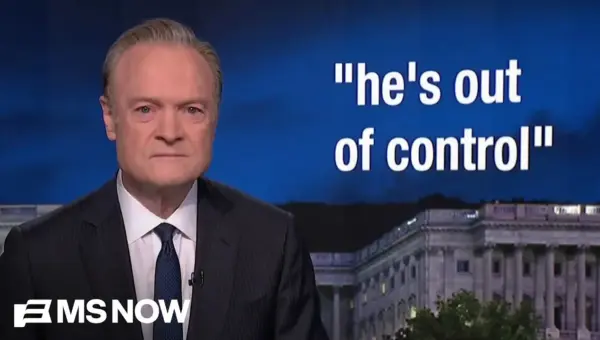
Trump Faces Backlash as Allies Criticize His War Strategy
Donald Trump is facing increasing criticism from allies and political figures over his handling of a foreign conflict, with concerns mounting about his mental stability and decision-making. His wife, Melania Trump, has entered the discourse, calling for testimony from Epstein survivors, while figures like Marjorie Taylor Greene question his fitness for office. Reports also highlight issues with military preparedness and Trump's unique approach to international negotiations.

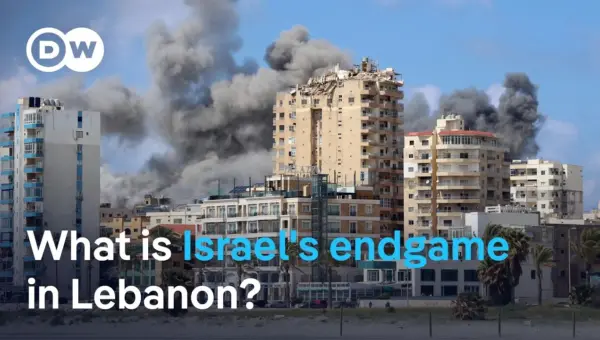
Israel Bombs Beirut, Netanyahu Approves Talks Amid Ceasefire Confusion
Israel has bombed Beirut and approved talks with Lebanon amid confusion over a US-Iran ceasefire deal. Analyst Shakria Brados explains the differing goals of the US and Israel, and how a shift in Lebanese government policy may enable cooperation against Hezbollah.
US Demands Iran Halt Nuclear Program in Peace Talks
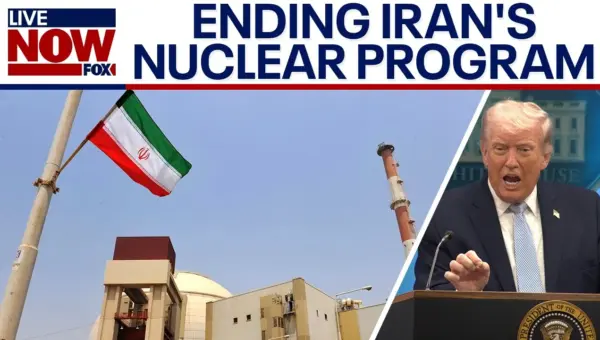
The United States will demand Iran completely end its nuclear program during peace talks in Pakistan this weekend. Vice President JD Vance will push for Iran to hand over all materials related to nuclear weapons development. Experts express low expectations for significant breakthroughs, citing Iran's past actions and current stance on uranium enrichment.