Pakistan Brokers Peace Talks Amid Iran War Escalation
Pakistan is hosting crucial peace talks with foreign ministers from Saudi Arabia, Egypt, and Turkey to de-escalate the ongoing US-Israeli war on Iran. The nation faces internal challenges but aims to broker wider peace without being drawn into the conflict.

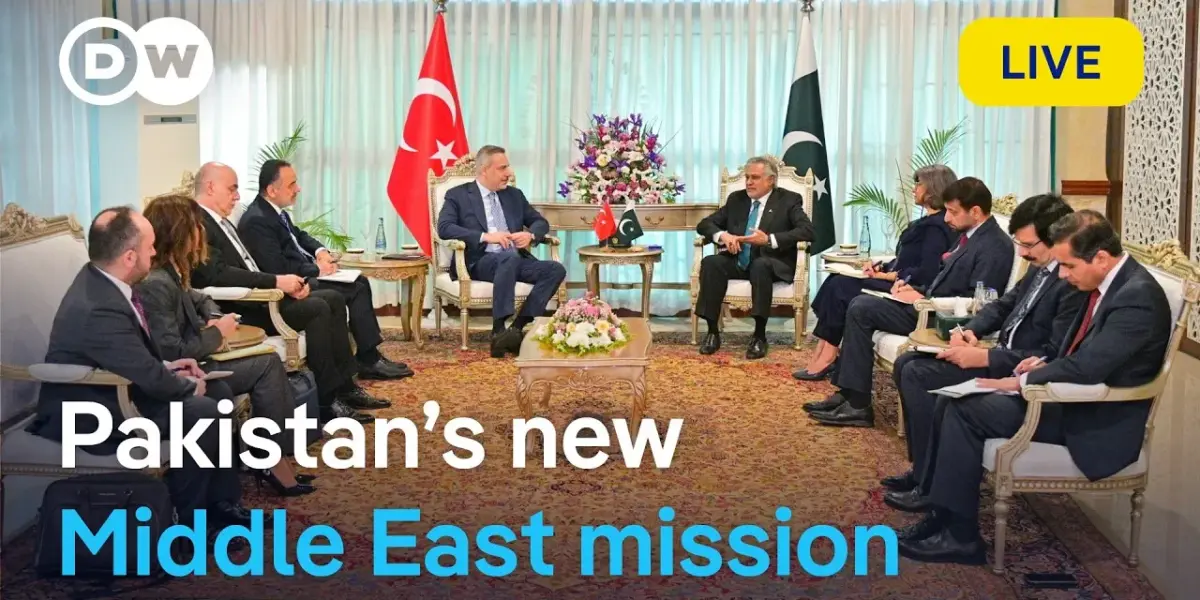
Pakistan Hosts Crucial Peace Talks as Iran Conflict Deepens
Pakistan’s capital, Islamabad, became the center of intense diplomatic efforts this week as it hosted foreign ministers from key Middle Eastern nations. Saudi Arabia, Egypt, and Turkey sent their top diplomats for high-stakes discussions aimed at de-escalating the ongoing war involving the United States and Israel against Iran. The conflict, now in its 30th day, has created a volatile situation with far-reaching consequences for the region and the global economy.
Can Pakistan Lead the Way to Peace?
The critical question facing the international community is whether Pakistan, a nation grappling with its own set of challenges, can effectively mediate a peace agreement. These challenges include significant regional instability, constant pressure from militant groups along its borders, and severe economic strain. To understand Pakistan’s potential role, DW News spoke with Maleeha Lodhi, Pakistan’s former ambassador to the United Nations. Lodhi offered insights into the complexities of the situation and Pakistan’s capacity to act as a credible peace broker without becoming entangled in the conflict itself.
The Stakes Are High
The war in the Middle East has intensified rapidly, raising fears of a wider regional conflict. The involvement of major global powers and the strategic importance of the region mean that any misstep could have devastating outcomes. The economic impact is already being felt worldwide, with disruptions to trade routes and rising energy prices. Lodhi highlighted the delicate balance Pakistan must strike, acting as a mediator while safeguarding its own national interests and stability.
“Pakistan faces a difficult balancing act. It must leverage its diplomatic standing to promote peace without being drawn into the conflict itself, which would further destabilize an already fragile nation.”
– Maleeha Lodhi, Former Ambassador to the UN
Pakistan’s Internal Struggles
Lodhi pointed out that Pakistan’s ability to lead peace efforts is directly tied to its internal stability and economic health. The country has been battling economic headwinds, including high inflation and a significant national debt. Simultaneously, it faces ongoing security threats from militant groups operating near its borders, particularly from neighboring Afghanistan. These internal pressures complicate Pakistan’s foreign policy objectives and its capacity to engage in robust international diplomacy.
The former ambassador emphasized that a strong and stable Pakistan is essential for effective regional mediation. “For Pakistan to be a credible peace broker, it must first address its own internal challenges,” Lodhi stated. This includes strengthening its economy and enhancing border security to ensure its own stability. Without this foundation, its influence on the international stage could be undermined.
Diplomatic Efforts and Regional Alliances
The presence of foreign ministers from Saudi Arabia, Egypt, and Turkey in Islamabad underscores the urgency of the situation. These nations are key players in the Middle East and have a vested interest in preventing further escalation. Their participation signals a collective desire to find a diplomatic solution, with Pakistan acting as the host and facilitator.
Lodhi explained that Pakistan’s historical role in regional diplomacy and its relationships with various Middle Eastern countries position it to play a unique role. The country has often sought to maintain neutrality while advocating for peace. This approach, if successful, could help build trust among the warring parties and their allies. The talks in Islamabad are seen as a crucial first step in a potentially long and complex negotiation process.
The Path Forward
The success of the Islamabad talks remains uncertain, but the engagement itself is a significant development. The coming days will reveal whether these initial discussions can translate into concrete steps toward de-escalation. The international community is watching closely, hoping that diplomatic channels can prevail over further military conflict. Pakistan’s ability to navigate this complex geopolitical crisis will be a defining moment for its role in regional and global affairs.
Source: Can Pakistan Stop the Iran War? | DW News (YouTube)

Related Articles
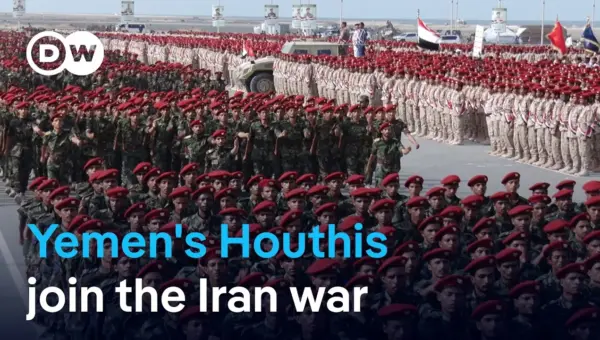
Iran War Escalates: Houthis Strike Israel, Threaten Global Shipping
Yemen's Houthi rebels have joined the Iran conflict, launching missile strikes on Israel and threatening critical global shipping routes. Their involvement escalates regional hostilities and introduces new economic warfare tactics, potentially disrupting vital waterways like the Strait of Bab al-Mandeb.
Russia Escalates Attacks Amid Global Political Shifts
Russia is escalating attacks on Ukraine's energy infrastructure amid complex global political shifts. Meanwhile, Ukraine's drone capabilities are advancing, strengthening its alliance with NATO. International political alignments and potential election interference are also key concerns.
Putin Seeks Oligarch Funds Amid Drone Strikes
Russian President Vladimir Putin is reportedly appealing to oligarchs for war funds as Ukrainian drone strikes cripple export capacity. Geopolitical shifts have also eased economic pressure on Moscow, potentially prolonging the conflict.