Pakistan-Afghan Taliban Ties: From Allies to Adversaries?
Pakistan's long-standing relationship with the Afghan Taliban has fractured, marked by escalating border tensions and mutual accusations. The rise of the Pakistani Taliban (TTP) operating from Afghan soil has become a major point of contention, overshadowing historical ties and raising fears of wider conflict.

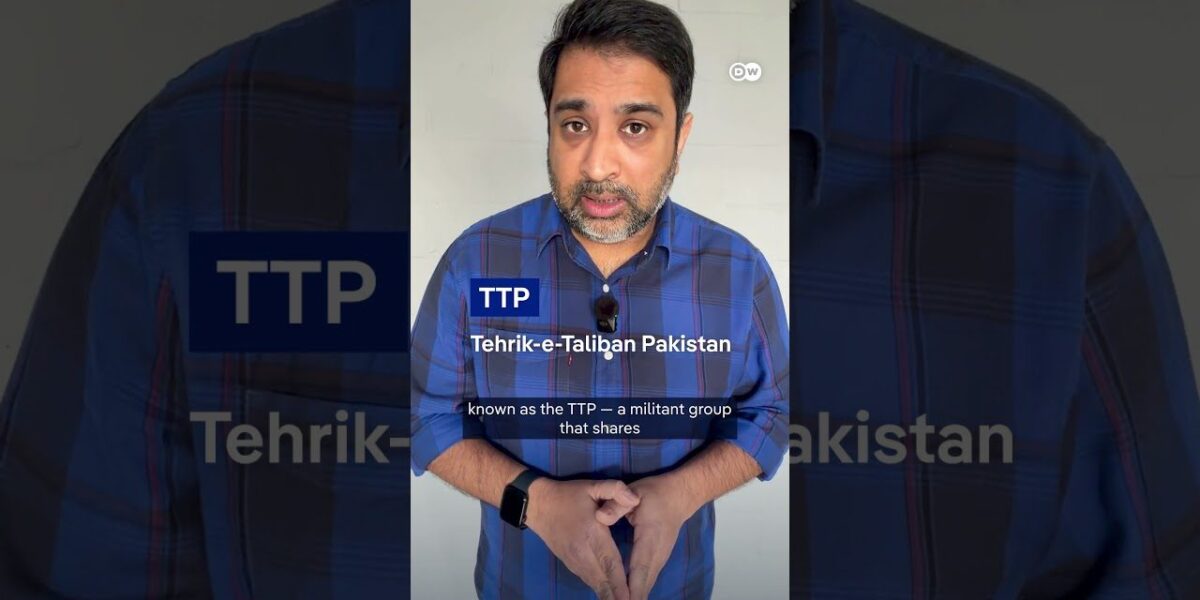
Pakistan and Afghan Taliban: A Fractured Alliance
Islamabad, Pakistan – The relationship between Pakistan and the Afghan Taliban, once characterized by deep-seated support and shared ideologies, has dramatically soured, evolving into a complex and volatile dynamic marked by escalating tensions and mutual distrust. For decades, Pakistan was a key architect of the Taliban’s rise, being one of the select few nations to officially recognize its first government in the mid-1990s and continuing to provide crucial political and strategic backing. However, the landscape has shifted significantly since the U.S. withdrawal from Afghanistan in 2021 and the subsequent Taliban resurgence to power.
Roots of the Relationship and Shifting Tides
Pakistan’s engagement with the Afghan Taliban dates back to the group’s inception in the mid-1990s. This historical alliance was cemented when Pakistan, alongside Saudi Arabia and the United Arab Emirates, recognized the Taliban regime. During the U.S.-led “War on Terror” following the 9/11 attacks, Pakistan maintained a complex role, officially allied with the U.S. while simultaneously being accused of harboring and supporting Taliban leadership. This strategic hedging allowed Pakistan to maintain a degree of influence over Afghan affairs.
The turning point in this relationship appears to have been the Taliban’s return to power in August 2021. While this event was seen as a strategic victory for Pakistan by some, it inadvertently emboldened militant groups operating within Pakistan, leading to a concerning surge in terrorist violence across the country. The Taliban’s victory in Afghanistan seemed to provide a new sense of legitimacy and operational freedom to groups previously suppressed.
The TTP: Pakistan’s Primary Grievance
At the heart of Pakistan’s current grievances lies not necessarily the Afghan Taliban itself, but the Tehrik-i-Taliban Pakistan (TTP), commonly known as the Pakistani Taliban. Although ideologically aligned with their Afghan counterparts, the TTP is a distinct entity, designated as a terrorist organization by the United Nations and Pakistan. The TTP primarily targets Pakistani state forces, but recent years have seen a disturbing rise in attacks against civilians affiliated with the state.
Islamabad vehemently asserts that the TTP and other militant factions are utilizing Afghan territory as a safe haven, launching cross-border attacks into Pakistan. The Afghan Taliban, however, consistently denies these allegations, creating a significant point of contention and mistrust between the two entities. This denial is a major obstacle to de-escalation and improved relations.
Escalating Border Tensions and Air Strikes
The friction between Pakistan and the Afghan Taliban has manifested in increasingly frequent and deadly border clashes. Since October 2023, sporadic exchanges of fire have become a grim reality along their shared border, resulting in casualties and damage to property on both sides. The situation reached a critical juncture recently when Pakistan conducted air strikes within Afghanistan’s Nangarhar and Paktika provinces.
Pakistan claims these strikes were aimed at militants responsible for recent high-profile suicide bombings, including a devastating attack on a mosque in the capital. However, Afghan authorities and local witnesses reported that the strikes resulted in civilian casualties, including women and children. This incident triggered immediate condemnation from Kabul, leading to border closures, heightened military readiness, and a barrage of reciprocal accusations between the two nations.
“The escalation has triggered border closures, military alerts, and reciprocal accusations from Kabul and Islamabad.”
Failed Ceasefires and the Specter of Wider Conflict
In an effort to defuse the mounting crisis, international mediators, notably Qatar and Turkey, stepped in to facilitate negotiations. These efforts yielded a fragile ceasefire, which unfortunately collapsed within days, underscoring the deep-seated nature of the conflict and the difficulty in finding common ground. Despite the repeated failures, both Pakistan and the Afghan Taliban leadership have publicly stated their desire to avoid an all-out war, recognizing the potentially catastrophic consequences for the region.
Looking Ahead: An Uncertain Future
The relationship between Pakistan and the Afghan Taliban remains precariously balanced. The legacy of past alliances clashes with the stark realities of present-day security threats. With each border skirmish, the risk of a wider, more devastating conflict looms larger. The effectiveness of international mediation remains in question, and without a sustainable truce, the current state of “it’s complicated” may not endure. The coming months will be critical in determining whether diplomacy can prevail over escalating hostilities, or if this complex relationship will devolve into open confrontation, with profound implications for regional stability.
Source: Pakistan and the Afghan Taliban — a complex relationship | DW News (YouTube)

Related Articles

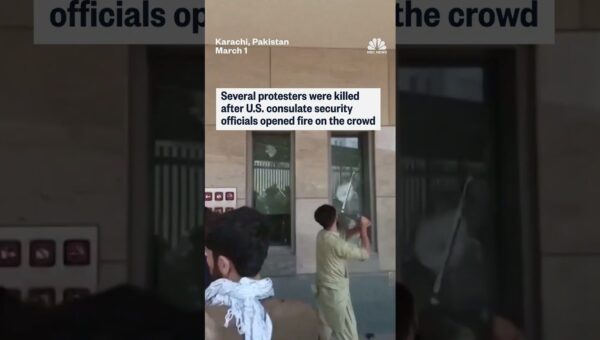
Protesters Storm Pakistan Consulate Amid Outrage Over Gaza Conflict
Protesters stormed the U.S. Consulate in Karachi, Pakistan, Friday, breaching its perimeter amid outrage over the ongoing conflict in Gaza. The demonstration saw extensive vandalism and anti-U.S. and anti-Israel chanting, highlighting the deep anger felt across the nation regarding the Middle East crisis.


Missile Debris Strikes Doha Street, Sparking Alarm
Debris from an intercepted missile or drone has fallen onto a street in Doha, Qatar, causing panic among civilians. Dramatic footage shows people fleeing as the debris impacted an urban area, with one clip capturing an explosion in the middle of a street.


Iran War Escalates: Region Plunged into Conflict
The Middle East is engulfed in a widening conflict as Iran launches retaliatory strikes across multiple neighboring nations following US and Israeli preemptive actions. Critical infrastructure and civilian areas have been targeted, with reports of a girls' elementary school being hit and the Strait of Hormuz potentially closed. The situation is marked by conflicting statements, disrupted communications, and growing regional instability.