Paid Protesters: CEO Explains Legal Advocacy Role
Adam Sart, CEO of Crowds on Demand, clarifies the legal and ethical framework of paid protesters. He distinguishes between lawful advocacy and disruptive agitators, while also explaining how his company vets participants for genuine commitment to causes. Sart emphasizes strategic planning for effective activism.

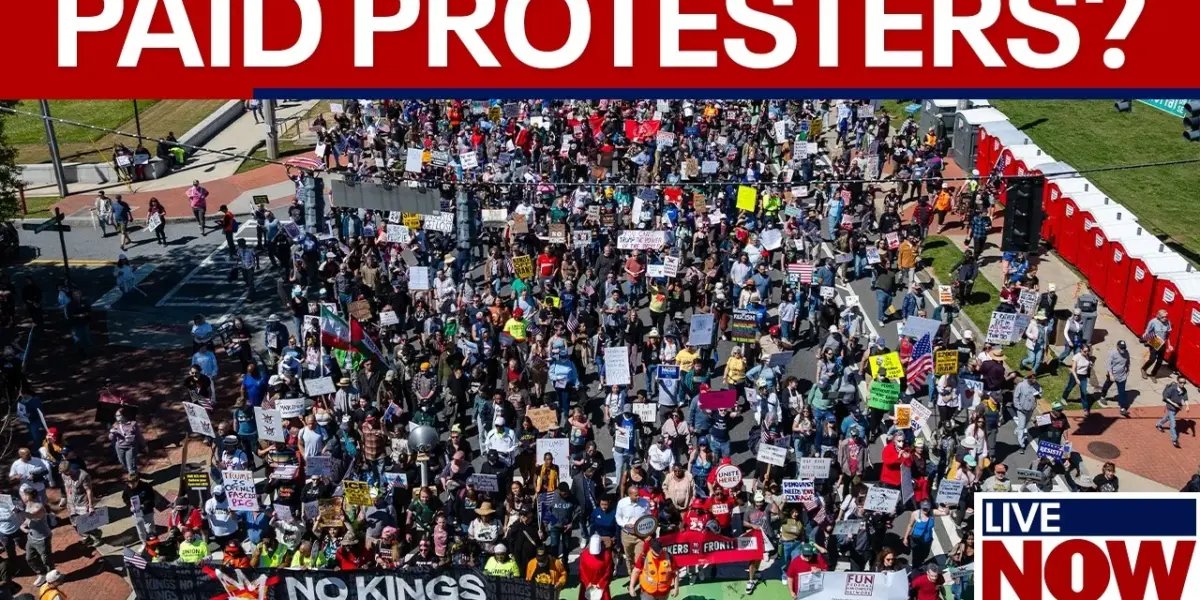
CEO Clarifies Legality and Ethics of Paid Demonstrations
The role of paid protesters in public demonstrations has become a frequent topic of discussion. Adam Sart, CEO of Crowds on Demand, recently explained how his company operates, emphasizing the lawful and ethical nature of their services. His comments aim to clarify misconceptions surrounding paid advocacy and differentiate it from unlawful disruptive behavior.
Understanding Paid Advocacy
Sart asserts that paying individuals to participate in protests is a legal practice, similar to hiring paid lawyers or advocates. “Provided that they are abiding by all laws,” he stated, “it’s a completely legal practice. And in my view, it’s actually an ethical practice. It’s a way of bringing attention to an issue to compensate people to show up.” Crowds on Demand focuses on facilitating this type of peaceful, lawful persuasion.
He stressed that any involvement in paying people for unlawful acts is unacceptable and requires serious attention from authorities. This distinction is crucial, as the term “paid protesters” is often used to delegitimize opposing viewpoints.
Differentiating Protesters from Agitators
Sart highlighted a common tactic where both political sides accuse the other of using paid individuals to undermine their message. He explained that “agitators” are a distinct group. These individuals, sometimes paid and sometimes acting independently, seek to create chaos and profit from disorder during large demonstrations. “They see opportunities for chaos with large-scale demonstrations, and they come in to create chaos either for fun or to actually make money off of it in some sort of criminal activity,” Sart said.
He advised both protesters and authorities to be vigilant against agitators. Their actions can disrupt peaceful protests and unfairly tarnish the reputation of genuine demonstrators. “If you have a group of 10,000 people and you have two people that are creating problems, then that can be magnified,” Sart warned.
Protecting Peaceful Protestors
For individuals participating in lawful, permitted demonstrations, Sart offered advice on staying safe. “If you are out there expressing your peaceful first amendment right, you should be on the lookout for people who aren’t doing that for your own safety,” he recommended.
He suggested that if someone appears to be trying to create trouble, instigate conflict with police, or is armed and looking to cause chaos, it is best to distance oneself. “At very minimum you get away from them because that is going to pose a security risk from yourself,” Sart advised.
Facilitating Dialogue and De-escalation
Sart proposed a “red phone” system between protest leaders and authorities. This direct line of communication, he believes, could help protect First Amendment rights while preventing chaos. Such a system would allow for quick de-escalation of incidents, “rather than causing a bigger problem which hurts the people of the city and infringes on the First Amendment rights of the protesters,” he explained.
Addressing Misconceptions About Crowds on Demand
Sart addressed two primary misconceptions about his company. First, he reiterated that Crowds on Demand has no association with riots or unlawful conduct. “We are in the business of peaceful, respectful, lawful, persuasive advocacy,” he stated. The company has worked on campaigns for causes like the “delete Facebook” movement and actions against big pharma and big tech, always within legal boundaries.
Second, he corrected the idea that his company employs people who are indifferent to the issues. “We actually vet everyone who participates in each one of our events to make sure they care about the issue and are committed to peaceful, respectful advocacy,” Sart said. He believes his work helps people who might otherwise be unable to participate due to work or childcare responsibilities.
The Ethics and Impact of Paid Participation
Addressing the concern that hiring protesters might create a false impression of public support, Sart drew a historical parallel. He noted that before 1911, British Parliament members were unpaid, limiting participation to the wealthy. “What Crowds on Demand does is we pay people to express their actual opinions,” he said, enabling broader participation.
Sart also emphasized that while his company can generate publicity, it cannot make a weak cause succeed. “If the cause is not compelling, we can’t make a bad cause work ultimately,” he explained. He pointed to high-spending political figures like Michael Bloomberg and Jeb Bush, who failed despite significant financial backing, as examples of how message resonance, not just funding, determines success.
Strategic Activism for Real Change
Before concluding, Sart offered final advice for effective activism. He urged individuals to think strategically about their goals. “What are you looking to achieve with your protest?” he asked. “Who is actually empowered to help you achieve that? And how do you persuade that person?”
He concluded that while attending a protest or posting on social media can feel impactful, achieving real change in a society with powerful institutions requires more. “You have to be extremely strategic about deciding who actually can help you, how to persuade them, and pull those levers properly,” Sart stated. Otherwise, even well-covered events might ultimately lead to no tangible results.
Source: No Kings rally: Paid protester company explains role (YouTube)

Related Articles


Democracy’s Roar: Thousands Rally for Rights
Thousands gathered in Saint Paul for the "No Kings" rally, a major pro-democracy event featuring prominent political figures and artists. The demonstration emphasized civic engagement and the importance of active participation in democratic processes.

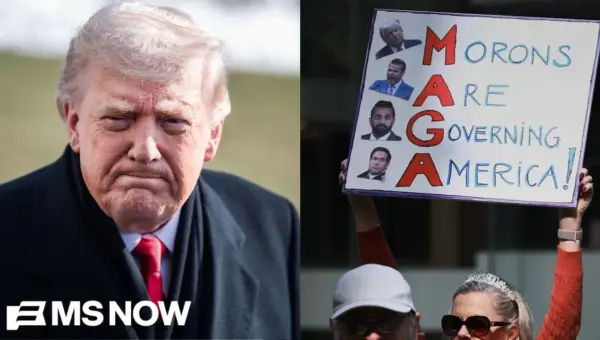
First-Time Protester Cites War, Prices as Key Concerns
An auto technician from Louisiana, Jared McCallup, joined his first major protest, the 'No Kings' movement, citing war profiteering and rising prices as his primary concerns. He aims to be a voice for those too afraid to speak out. McCallup's experience highlights the growing economic anxieties among everyday Americans.

Americans Rise Up: History Shows Protests Drive Change
History shows that significant societal change in America often begins with citizens demanding action, not government initiative. From factory safety laws after the Triangle Shirtwaist fire to civil rights legislation spurred by the March on Washington and environmental protections born from Earth Day, public outcry has been a powerful catalyst. As new protests emerge amid current political and economic challenges, the nation watches to see if this historical pattern of people power will once again drive meaningful change.