PA Races Signal Trouble for Trump’s Re-election Bid
Recent special elections in Pennsylvania reveal a growing disconnect between Donald Trump's economic narrative and voter concerns. Plunging approval ratings in key swing states, driven by affordability issues, signal potential trouble for his re-election bid and Republican down-ballot chances.


Pennsylvania’s Special Election Signals a Shifting Political Landscape
Recent special election results in Pennsylvania have sent a clear message: the political winds may be changing, and not in favor of former President Donald Trump. A Democratic victory in the special election for the 42nd House District, where Jen Mazako defeated Republican Joseph Lechenby, has added to the Democrats’ slim majority in the state house. This win, occurring as Trump was delivering his State of the Union address, highlights a growing disconnect between the former president’s narrative and the concerns of voters in key swing states.
The ‘As Goes Pennsylvania’ Phenomenon
Historically, Pennsylvania and Wisconsin have been bellwethers for national elections, often referred to as ’50/50 states.’ The current political climate in these states, however, shows a significant downturn for Trump. His net approval rating in Pennsylvania has plummeted to negative 15 points, a stark contrast to his narrow victories in 2016 and 2020. Similarly, Wisconsin, a state he won by a slim margin in 2024, now sees him with a negative 10-point approval rating. This trend suggests that the national sentiment reflected in these crucial states is currently unfavorable to the former president.
Economic Discontent Fuels Democratic Gains
The driving force behind these unfavorable numbers appears to be voters’ dissatisfaction with the economy. While Trump’s State of the Union address painted a picture of a booming economy, with claims of falling gas prices and decreased costs for essential goods, the reality on the ground, as reflected in voter sentiment and the special election results, tells a different story. Voters cited affordability and housing as key concerns, directly contradicting the optimistic economic narrative presented by Trump. Data suggests that Trump’s economic disapproval rating among swing state voters in Pennsylvania stands at 56%, a figure that poses a significant challenge for Republicans.
Debunking Economic Claims
A closer examination of the economic claims made during the State of the Union reveals discrepancies. While the speech touted GDP growth of 2.8% in 2024 and claimed investments of over $18 trillion, official figures and independent analyses present a different picture. Real GDP growth for 2025 was projected at 2.2%, and the $18 trillion investment figure appears to be an exaggeration based on unmaterialized pledges. Gas prices, while lower than previous peaks, have not universally fallen to the $1.85-$2.30 per gallon range claimed, with nationwide averages remaining higher. Similarly, while some grocery prices have seen minor reductions, others, like beef, have risen significantly. The mention of a retirement savings plan also appears to reference a bipartisan bill signed by President Biden, not a Trump initiative. Furthermore, a claim about an immigrant accused of murder being in the country due to open border policies was factually inaccurate, as the suspect was born in Charlotte.
Beyond the Top of the Ticket: Down-Ballot Impact
The implications of these trends extend beyond the presidential race, impacting down-ballot contests. The special election in Pennsylvania, and similar contests in Maine, demonstrate that Democratic candidates are resonating with voters on issues of affordability and economic concern. Even endorsements from prominent Republicans, such as Senator Collins in Maine, who supported a losing candidate, failed to sway voters. This suggests that the Republican party’s alignment with Trump’s policies and rhetoric may be becoming a liability, even for established figures.
Pennsylvania’s Crucial Role
Pennsylvania’s role in determining national control of the House of Representatives is particularly significant. While Republicans won the state by two points in the 2024 presidential election, current generic ballot polling for the 2026 House races shows Democrats leading by six points. This indicates a potential shift in voter preference that could translate into significant gains for Democrats in November.
The Enduring Power of Voting
The narrative that the election system is rigged, a recurring theme from Trump and his allies, is being challenged by these election outcomes. Despite efforts to discourage voters and sow doubt about the integrity of elections, the special elections demonstrate that voting still matters and can lead to tangible results. The emphasis on get-out-the-vote efforts and the continued participation of voters, even in the face of perceived inconvenience or systemic challenges, underscores the resilience of the democratic process. The ability of candidates to mobilize voters remains a critical factor in electoral success, proving that individual votes still hold significant weight.
Why This Matters
These developments in Pennsylvania and other swing states are critical indicators of the broader political mood. They suggest that voters are increasingly prioritizing tangible economic concerns over the rhetoric of former President Trump. The disconnect between Trump’s claims and voters’ lived experiences, particularly regarding the economy, is becoming a significant liability. Furthermore, the success of Democratic candidates in special elections and the shifting poll numbers in key states like Pennsylvania indicate a potential challenge to Republican control of Congress. The results also serve as a reminder that despite efforts to undermine faith in the electoral process, voter participation and mobilization remain powerful forces in shaping political outcomes.
Implications, Trends, and Future Outlook
The trend observed in Pennsylvania and Wisconsin suggests a potential realignment of voter priorities. Economic anxieties, particularly around affordability, are emerging as a dominant theme that could overshadow other political narratives. For Republicans, this presents a significant challenge: how to address voter concerns about the economy without alienating their base or appearing to contradict Trump’s messaging. The success of Democrats in special elections indicates a potential pathway to regaining or solidifying control of legislative bodies. The future outlook suggests a highly contested election cycle where economic issues will likely be paramount, and the ability of candidates to connect with voters on these concerns will be crucial. The persistent questioning of election integrity by some political factions also remains a backdrop that could influence voter turnout and the acceptance of results.
Historical Context
The concept of Pennsylvania and Wisconsin as swing states with national implications has a long history in American politics. Their close electoral margins in presidential and congressional races have made them consistent targets for campaign efforts. The current data, showing significant shifts in approval ratings and generic ballot polling, echoes past instances where shifts in these states foreshadowed broader national trends. The historical precedent of ‘As Pennsylvania goes, so goes the nation’ underscores the significance of these recent electoral signals. The current economic climate, marked by inflation and cost-of-living concerns, also has historical parallels to periods where economic dissatisfaction played a major role in electoral outcomes.
Source: Trump gets DISASTER NEWS as Dems CRUSH in PA! (YouTube)

Related Articles


Dem Strategist Warns of GOP Rigging Ahead of Midterms
Democratic strategist Simon Rosenberg expresses concern over alleged Republican plans to 'rig the midterms,' highlighting a shift in political tactics. The discussion emphasizes voter empowerment and vigilance to ensure every vote is counted in the upcoming elections.
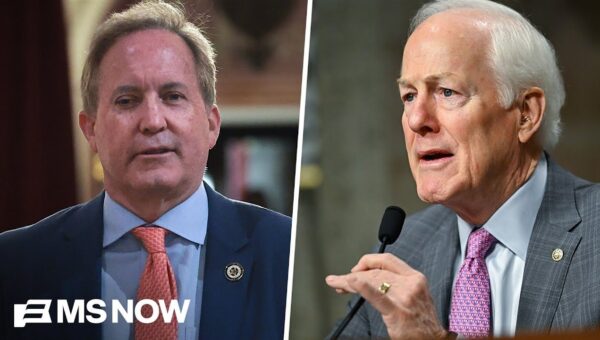
Trump Stays Silent in Key Texas Senate Primary
Donald Trump has notably withheld an endorsement in the key Texas Republican Senate primary between John Cornyn and Ken Paxton, sparking strategic analysis. Meanwhile, Democrats grapple with electability versus energy in their own contested primary, seeking lessons for the upcoming midterm elections.

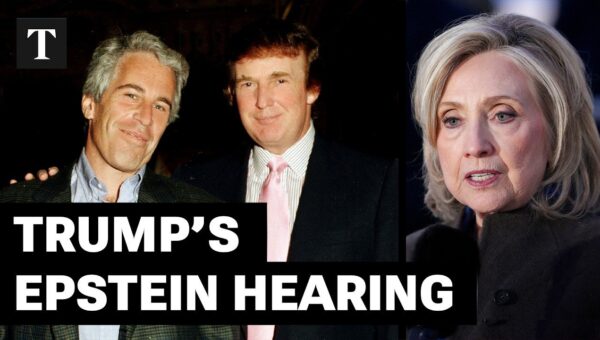
Trump Faces Testimony as Epstein Hearing Fallout Grows
Hillary Clinton testified before the House Oversight Committee regarding her alleged ties to Jeffrey Epstein, calling for a public hearing. Political strategist Rick Wilson criticized the hearing as a "MAGA media spectacle" aimed at distracting from Trump. Potential repercussions for Trump and his allies, including testimony, are discussed in light of the ongoing Epstein revelations and upcoming midterm elections.