Orbán Ousted: Hungary Votes for Change After 16 Years
Hungary has elected a new leader, with Prime Minister Viktor Orbán conceding defeat after 16 years in power. Opposition leader Péter Magyar appears set for a landslide win, signaling a potential shift in Hungary's political direction and its relationship with Europe.

Orbán Ousted: Hungary Votes for Change After 16 Years
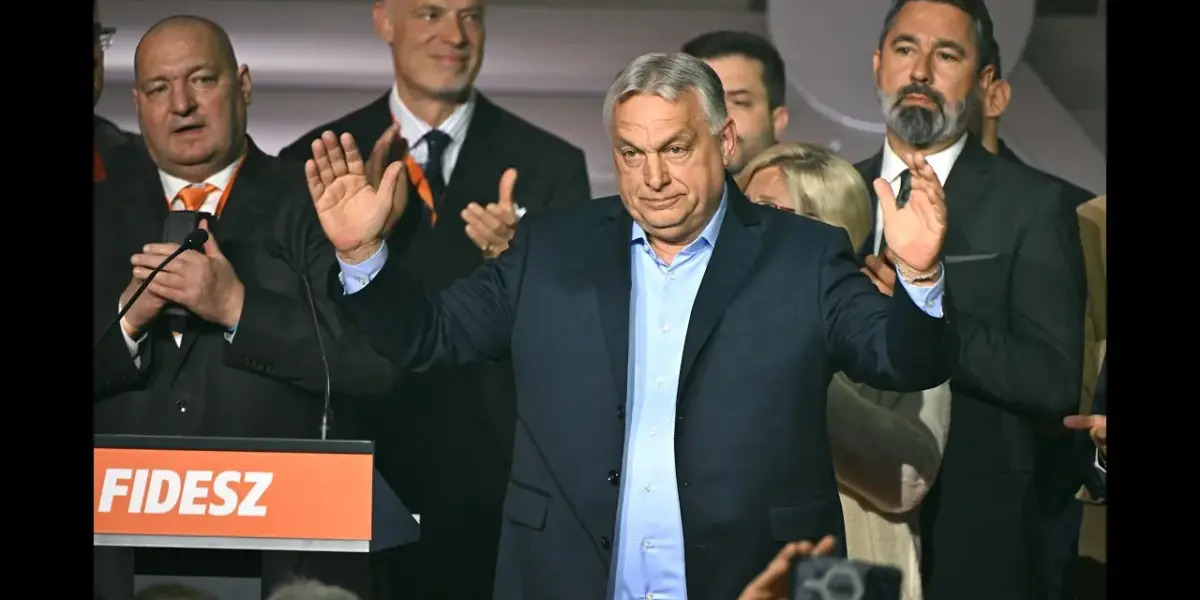
Hungary has a new leader. After 16 years in power, Prime Minister Viktor Orbán has conceded defeat in a national election. Projections show opposition leader Péter Magyar is set for a landslide victory as votes are still being counted. This marks a significant turning point for the country.
A Painful But Clear Result
Orbán himself acknowledged the election outcome. “The election result is painful for us, but clear,” he stated. He recognized that his party had not been given the chance to govern again. Orbán also mentioned that he had congratulated the winner, indicating a peaceful transfer of power.
Record Turnout Shows Voter Engagement
The election saw a record number of Hungarians cast their ballots. Voting began on Sunday, and the leader of the opposition Tisza party, Péter Magyar, expressed optimism as polls closed. He highlighted the importance of the election, stating, “The vast majority of Hungarian people felt how important the election was.”
Data showed a 13% increase in votes by the same time compared to the 2022 election. Both Orbán and Magyar had suggested the election’s outcome would shape the nation’s future. Orbán warned of high stakes, saying, “Hungary’s peace and security can rest on just one vote today.” He also linked the election to potential threats of war and financial insecurity for Hungarian families.
Voters Seek Peace and European Ties
The opposition leader called for a peaceful, safe, and humane Hungary that remains connected to Europe. Some voters echoed this desire. One voter mentioned, “Prime Minister Viktor Orbán is getting closer to Russia and we wanted to show his message that it’s over and Hungarians wants to stay in Europe.” This sentiment suggests a desire to shift away from closer ties with Russia and reaffirm Hungary’s place within the European Union.
Differing Views on Preserving the Past
However, not all voters agreed with the potential shift. Some expressed a desire to maintain the status quo. One voter stated, “I believe it’s very important to preserve the values that have developed so far. So, I would really like it if all the results that have been achieved in recent years remain.” This highlights a division among the electorate, with some valuing continuity and others seeking change.
Historical Context: Orbán’s Long Reign
Viktor Orbán has been a dominant figure in Hungarian politics for over a decade. He first served as Prime Minister from 1998 to 2002 and returned to power in 2010. His long tenure has been marked by policies that have often put Hungary at odds with the European Union, particularly on issues of democracy, rule of law, and immigration. His government has been praised by supporters for strengthening national identity and economic stability, while critics have pointed to a decline in democratic freedoms and an increase in corruption.
The Rise of the Opposition
Péter Magyar and his Tisza party have emerged as a significant force challenging Orbán’s long-standing grip on power. Polling ahead of the election had already indicated that the opposition posed a serious challenge. Magyar, a former ally of Orbán’s government, has positioned himself as a reformist leader, promising to tackle corruption and restore Hungary’s relationship with the EU.
Why This Matters
This election result is significant not just for Hungary but also for the European Union. Orbán’s government has often been a vocal critic of EU policies and has been seen as a hurdle to greater European integration. His potential departure from power could lead to a shift in Hungary’s foreign policy and its relationship with Brussels. It might also signal a broader trend across Europe, where voters are seeking new leadership and a different direction for their countries.
Implications and Future Outlook
The immediate implication is a change in Hungary’s political leadership. Péter Magyar’s victory suggests a desire among a large portion of the Hungarian population for a more pro-European stance and a focus on democratic reforms. The new government will likely face the challenge of healing a divided nation and rebuilding trust with international partners. The coming months will show how effectively the new leadership can implement its agenda and address the country’s economic and social issues.
Furthermore, this election could influence political trends in other European nations. If Hungary moves back towards closer alignment with EU values, it might encourage similar movements elsewhere. The focus will be on whether the new government can deliver on its promises of transparency, accountability, and a stronger connection to the European mainstream. The path ahead for Hungary is one of significant change and potential recalibration on the European stage.
Source: Hungarian Prime Minister Viktor Orbán Concedes Defeat in Election (YouTube)

Related Articles
Orban’s Defeat Deals Blow to Trump’s Global Standing
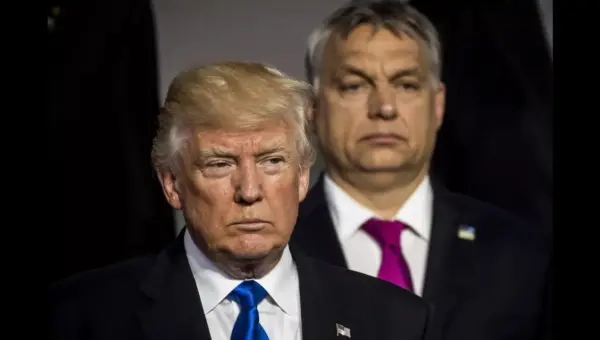
Viktor Orban's significant election loss in Hungary is seen as a major blow to Donald Trump and JD Vance's global influence. The outcome challenges the momentum of the far-right and offers hope for democratic movements worldwide, with potential lessons for the U.S. Democrats.


Senator Vance Accused of Hypocrisy on Election Interference Claims
Senator J.D. Vance faces accusations of hypocrisy for condemning foreign election interference while allegedly engaging in similar actions abroad. Critics point to his statements downplaying Russian interference and his meetings with controversial foreign leaders as contradictory.


Hungary Rejects Orban’s Rule: A Democratic Uprising
Hungary has ousted Prime Minister Viktor Orban after 16 years in power, with the opposition Taisa party securing a decisive victory and potentially a supermajority. Record voter turnout signaled a strong public desire for democratic change and a pro-European future.