Orbán Ousted: Hungary Elects New Leader After 16 Years
Hungary's Viktor Orbán has been defeated after 16 years, losing a landslide election to center-right rival Péter Magyar. The outcome signals a potential shift in Hungary's relationship with the EU and its stance on the Ukraine war. The result has been met with relief in Brussels and a surge in Hungary's currency.

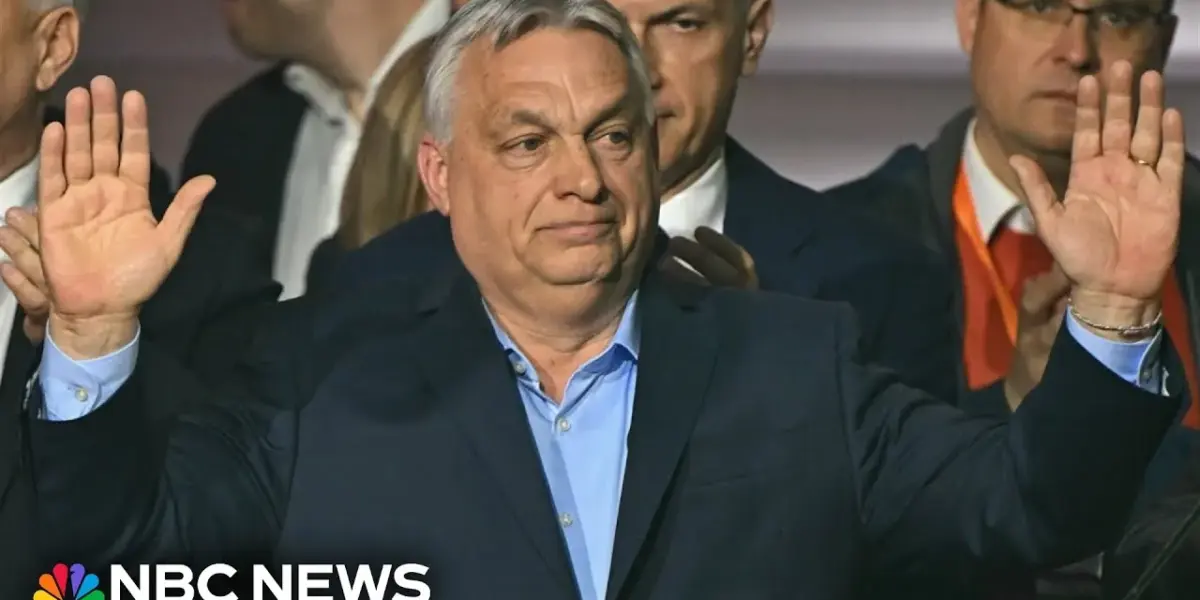
Orbán Ousted After 16 Years in Hungarian Election Upset
Viktor Orbán, Hungary’s far-right nationalist leader, has been defeated in a national election, ending his 16-year tenure in office. The unexpected outcome, a landslide victory for his center-right rival Péter Magyar, is sending political shockwaves across Europe and could significantly impact the European Union and the ongoing war in Ukraine. Orbán, who received strong backing from the Trump administration, conceded the race late last night after approximately 98% of the votes were counted.
Landslide Victory and Voter Reaction
The election campaign was notably contentious, with both sides engaging in harsh rhetoric and the leaking of sensitive information. However, the final results delivered a resounding defeat for Orbán. Péter Magyar’s victory was so decisive that it has been described as a landslide, a result that suggests significant change is on the horizon for Hungary. Following the announcement, many Hungarian voters took to the streets to celebrate into the early hours of the morning. Those interviewed expressed that their decision to vote for Magyar was largely driven by concerns over Hungary’s relationship with Russia.
The economic impact was immediate. This morning, Hungary’s currency surged to a four-year high against the Euro, signaling positive economic sentiment following the election results.
Who is Péter Magyar?
While Péter Magyar leads a center-right party and was himself a member of Orbán’s Fidesz party for many years, his victory is seen as a significant shift. He is not a liberal, but he has pledged to restore democratic systems and checks and balances that critics argue were eroded during Orbán’s 16-year rule. His supporters believe he will bring a much-needed return to democratic norms.
Implications for the European Union
Orbán’s defeat has been met with considerable relief in Brussels, the headquarters of the European Union. European Commission President Ursula von der Leyen stated that Hungary is reclaiming its European path and that the Union grows stronger as a result. This is not just a symbolic win; it is a practical one for EU member states. Many crucial decisions within the EU require unanimous consent from all 27 member states. Orbán had frequently used his veto power to block or delay measures, often aligning Hungary with Russia’s interests.
There is widespread hope that under Magyar’s leadership, Hungary will become more cooperative and open to the bloc’s decisions. This could streamline decision-making processes on critical issues facing the EU, from economic policy to foreign relations and security.
Impact on the Ukraine War
Orbán had maintained a complex stance on the war in Ukraine, often resisting sanctions against Russia and expressing skepticism about further military aid to Kyiv. His defeat could lead to a more unified European front in supporting Ukraine. Magyar’s commitment to restoring democratic institutions and strengthening ties with the EU suggests a potential shift in Hungary’s foreign policy, possibly leading to increased support for Ukraine and a more aligned position with NATO and EU partners.
Reaction from the Trump Administration
The Trump administration had openly supported Viktor Orbán, viewing him as an ideological ally. Just last week, then-Vice President JD Vance visited Hungary and publicly endorsed Orbán. As of now, there has been no official statement from the Trump administration regarding Orbán’s defeat. Both the Kremlin and the Trump administration had long considered Orbán a key partner. It is expected that Trump and his allies will face questions about this development.
What’s Next?
The coming weeks will be crucial as Péter Magyar forms his new government and begins to implement his agenda. All eyes will be on Budapest to see how quickly and effectively democratic institutions are restored and how Hungary’s relationship with the European Union and its stance on the war in Ukraine evolve. The international community will be watching closely to gauge the true extent of the political shift in Hungary and its broader implications for European stability and security.
Source: Viktor Orbán concedes defeat after 16 years in power in Hungary (YouTube)

Related Articles

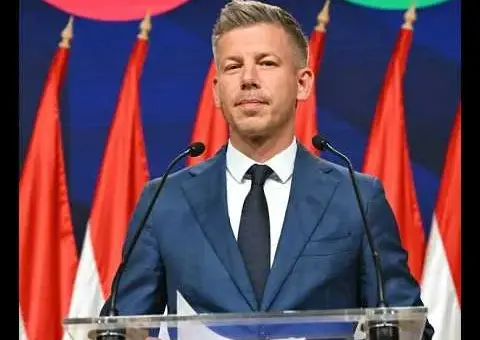
Hungary’s Election Shift: What’s Next for Europe’s Conservatives?
Hungary's recent election signals a shift, not an end, for European conservatism. While Victor Orban's defeat might alter Hungary's relationship with the EU and China, underlying conservative support may persist. The outcome highlights the impact of economic issues on voters and offers a potential reset for Hungary's international ties.
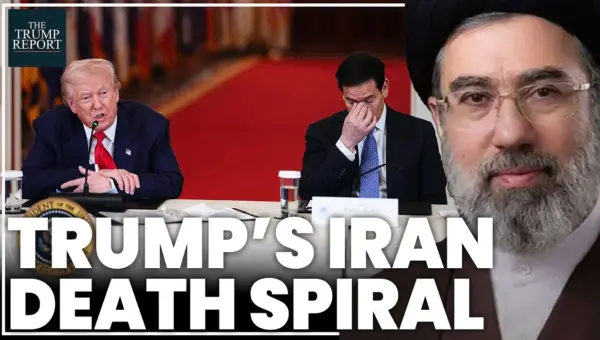
Iran’s Regime Thrives on Chaos, Not Peace
Iran's government thrives on chaos, using conflict for survival. Experts describe the regime as a 'cacistocracy,' run by the incompetent. Despite internal dissent and international pressure, the regime's survival is bolstered by external support from minority Shia groups and a strategy of ruthless suppression.


Iran’s Strait of Hormuz Blockade: A Risky Gamble for Oil Power
Iran's control over the Strait of Hormuz has been its primary bargaining tool in international negotiations. Recent actions by the US to blockade the strait signal an escalation, moving away from potential peace deals towards a standoff. The situation highlights global energy security concerns and Iran's assertive tactics.