Opioid Use Signals Russian Military Strain
Emerging reports indicate a rise in opioid use among Russian soldiers in Ukraine, signaling severe stress and potential challenges to Moscow's military strategy. This trend, reminiscent of historical uses of drugs in warfare but distinct in its focus on pain management, raises concerns about troop effectiveness and the long-term sustainability of Russia's manpower.


Opioid Use Signals Russian Military Strain
Reports of widespread opioid use among Russian soldiers operating in Ukrainian trenches are emerging as a significant concern, indicating severe stress and potential cracks in the long-term sustainability of Moscow’s military strategy. Intercepted communications and battlefield observations suggest that the prolonged and intense nature of the conflict is leading to unprecedented psychological pressure on Russian troops, driving a growing reliance on narcotics to cope with the realities of sustained warfare.
The problem appears to be particularly acute in frontline positions where soldiers endure constant combat, artillery barrages, and the pervasive threat of casualties. This environment, characterized by extreme stress and the potential for post-traumatic stress disorder (PTSD), is creating a fertile ground for self-medication. While the specific scale of opioid use remains difficult to quantify precisely from open-source intelligence alone, the trend, as suggested by intercepted conversations, points to a disturbing increase in the use of these substances to manage pain, trauma, and the psychological terror of the battlefield.
Historical Precedents of Drugs in Warfare
The link between warfare and chemical coping mechanisms is not new. Throughout history, armies have utilized various substances to enhance performance, manage fatigue, or alleviate the psychological burdens of combat. During World War II, for instance, both Allied and Axis forces employed stimulants like amphetamines (such as Pervitin, used by German soldiers) to maintain alertness and combat effectiveness during prolonged operations. These drugs were intended to keep soldiers fighting, pushing them beyond their natural endurance.
However, the current situation with Russian forces appears to involve a different, and arguably more insidious, dynamic. The reported use of opioids suggests a move beyond performance enhancement towards escape and pain management. Opioids, known for their analgesic and euphoric properties, can offer a temporary reprieve from the physical and emotional agony of war, but at the cost of addiction, impaired judgment, and long-term health consequences. This shift from stimulants to opioids may indicate a deeper level of psychological distress and a loss of the initial combat motivation or discipline.
Strategic Implications and Manpower Sustainability
The rising prevalence of opioid use within Russian military ranks carries significant strategic implications. Firstly, it directly impacts unit cohesion and operational effectiveness. Soldiers under the influence of opioids, particularly when struggling with addiction, are likely to experience impaired decision-making, reduced situational awareness, and decreased combat readiness. This can lead to tactical errors, increased vulnerability to enemy actions, and a higher incidence of friendly fire incidents.
Secondly, it raises serious questions about Russia’s manpower strategy. The Kremlin has relied on a continuous flow of personnel to sustain its operations in Ukraine. If a significant portion of these troops are struggling with substance abuse, it undermines the quality and reliability of these forces. The long-term sustainability of Russia’s manpower strategy is challenged not only by attrition rates but also by the degradation of the fighting capability and mental well-being of its soldiers. Addressing widespread drug use would require extensive medical and psychological support, resources that may be strained given the ongoing conflict and the inherent difficulties in administering such programs in a combat zone.
The Human Cost of Conflict
Beyond the strategic considerations, the reports highlight the profound human cost of the war. The audio clip of a Russian soldier requesting opioids underscores the grim reality faced by individuals enduring the psychological terror of sustained combat. The pressure to perform, coupled with the constant exposure to violence and loss, can lead to severe mental health issues, including anxiety, depression, and PTSD. The easy availability or perceived necessity of opioids in such environments can create a vicious cycle of dependency and further exacerbate these conditions.
The growing opioid crisis within military ranks, as suggested by battlefield reporting, is a stark indicator of the immense psychological toll exacted by modern warfare. It serves as a somber reminder that the effectiveness of any military force is inextricably linked to the physical and mental well-being of its personnel. The long-term consequences of such widespread substance abuse on individual soldiers and the Russian military as a whole could be profound and enduring.
The broader geopolitical impact of this development, while indirect, could contribute to a gradual erosion of Russia’s military capacity and its ability to project power effectively. A force grappling with internal issues like widespread drug use may find its strategic options limited and its long-term objectives harder to achieve.
Source: The Drug Epidemic Crippling Russia's Military Strategy (YouTube)

Related Articles

Iran Strikes US Base: Are We Learning from Mistakes?
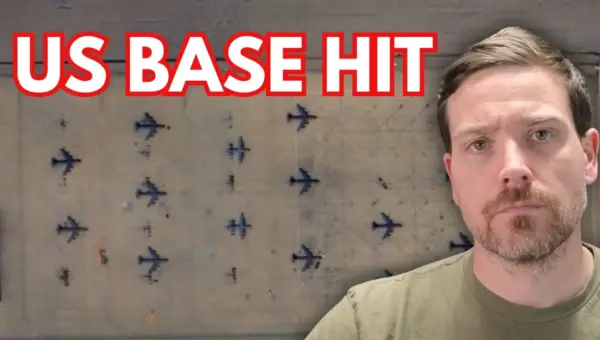
A recent Iranian drone and missile attack wounded American service members and damaged aircraft in Saudi Arabia. This incident highlights concerns about military preparedness and the failure to learn from past mistakes, as exposed aircraft remain vulnerable targets. The ongoing conflict involves complex regional dynamics, including Iran's missile capabilities and the potential involvement of groups like the Houthis, raising questions about future stability.


Social Media Giants Face Lawsuits Over Addictive Designs
Tech giants Meta and Google are facing significant legal challenges as juries find them liable for the addictive design of their platforms and the harm caused to young users. Recent verdicts in California and New Mexico have ordered the companies to pay millions in damages, highlighting concerns over mental health impacts and child exploitation.


Ukraine Strikes Cripple Russian Oil Exports
Ukrainian drone strikes are crippling Russia's oil exports and damaging its economy, leading to falling domestic support for President Putin. The targeted attacks on refineries and terminals aim to cut off war funding and have significant geopolitical consequences.