OpenAI’s Pentagon Deal Sparks Controversy and Trust Crisis
OpenAI's new agreement with the Department of War to deploy its models on classified networks has ignited controversy. Critics accuse the company of compromising on safety principles accepted by rival Anthropic, potentially eroding trust and setting a dangerous precedent for AI ethics in government contracts.

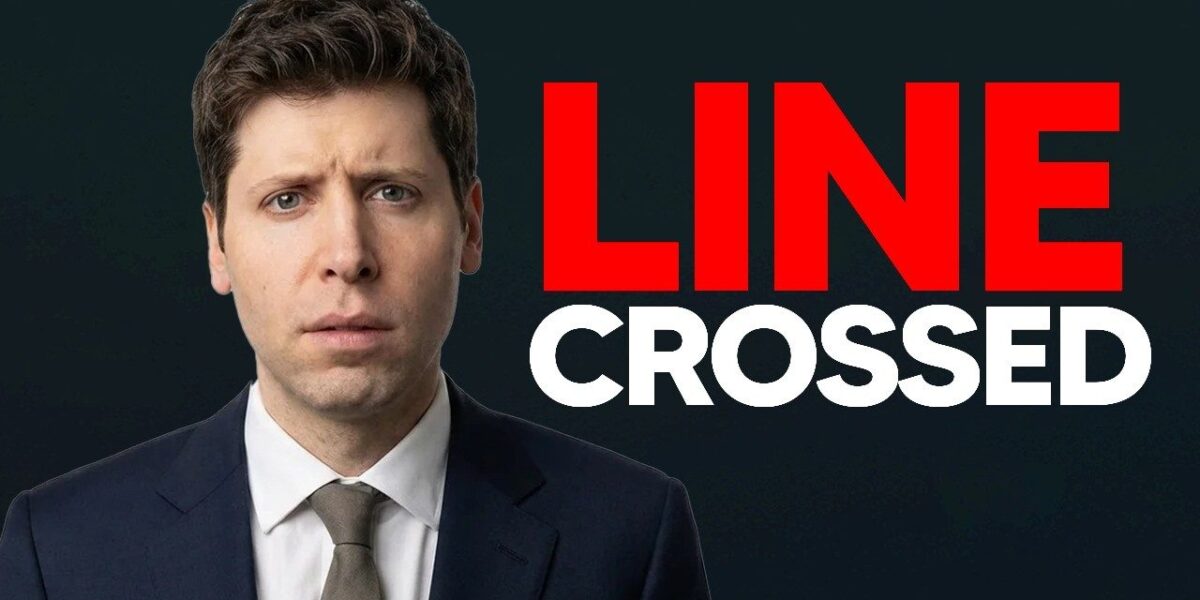
OpenAI Strikes Pentagon Deal Amidst Controversy
In a move that has sent ripples through the AI community, OpenAI has announced an agreement with the Department of War to deploy its models within the Pentagon’s classified network. This development follows a highly publicized conflict between the U.S. government and AI company Anthropic, raising significant questions about AI safety, corporate ethics, and the political landscape surrounding artificial intelligence.
The Anthropic Controversy and Government Pressure
The situation escalated when former President Donald Trump publicly criticized Anthropic, a company he characterized as a “radical left woke company.” He alleged that Anthropic was attempting to “strongarm the Department of War” and put American lives at risk by enforcing its terms of service, which include prohibitions against autonomous weapons and mass surveillance. Trump directed federal agencies to cease using Anthropic’s technology and implement a six-month phase-out period.
Anthropic, however, maintained that it was merely enforcing its standard terms of service as a private company, which is a common and legal practice. The company stated its support for all lawful military uses of AI, with the exception of autonomous weapons and mass surveillance. This stance, while seemingly aligned with safety principles, put it at odds with certain government objectives.
OpenAI’s Deal: A Different Approach?
In the wake of the government’s actions against Anthropic, OpenAI’s CEO Sam Altman appeared on CNBC discussing the need for agreements between AI companies and the government. Shortly thereafter, OpenAI announced its own deal with the Department of War. Initially, this agreement appeared similar to the one Anthropic had sought, focusing on safety principles like prohibiting domestic mass surveillance and ensuring human responsibility for the use of force, including autonomous weapon systems.
However, closer examination of the terms revealed crucial differences. Critics, including community notes on social media platforms, highlighted that while Anthropic insisted on no fully autonomous weapons without human oversight, OpenAI’s agreement specifies “human responsibility for the use of force,” which could be interpreted as accountability after an event rather than requiring human intervention before deployment. Similarly, Anthropic sought protections beyond existing law for mass surveillance, whereas OpenAI’s deal simply stated it would reflect current laws and policies.
Why This Matters: Erosion of Trust and AI Safety Implications
This divergence in approach has led to accusations that OpenAI, under Sam Altman, may have secured a deal by accepting a watered-down version of the safety principles that Anthropic refused to compromise on. This has sparked a significant backlash, with many accusing OpenAI of prioritizing business opportunities over ethical AI development, especially when their competitor was facing severe government pressure.
The implications are far-reaching:
- Erosion of Public Trust: Many consumers and developers perceive OpenAI’s actions as a betrayal of ethical AI principles, potentially leading to a loss of trust in the company. This could manifest as a talent exodus from OpenAI to more ethically aligned companies like Anthropic.
- AI Safety Standards: The government’s ability to pressure AI companies into compromising on safety guidelines raises concerns about the future of AI safety. If federal contracts are contingent on removing guardrails, it could set a dangerous precedent for all AI development, particularly for military applications.
- Political Influence in Technology: The situation highlights how political pressures can directly influence the development and deployment of advanced AI technologies. The government’s leverage through contracts could lead to AI systems being developed based on political alignment rather than purely on safety and capability.
- Competitive Landscape: Anthropic has seen a surge in public support, with its app climbing the charts and users expressing solidarity. This could translate into greater developer adoption and enterprise deals if Anthropic can capitalize on this momentum. Conversely, OpenAI faces the risk of alienating developers and potential partners who value ethical stances.
The Chilling Effect on Investment and Innovation
The controversy extends to the investment landscape. Dean W. Ball, a former senior AI policy advisor in the Trump White House, warned that such government actions could make the U.S. AI market uninvestable. He argued that attempts to designate companies like Anthropic as a “supply chain risk” could force major investors like Amazon, Google, and Nvidia to divest, potentially stifling innovation and pushing AI development to more accommodating international ecosystems.
The core issue, as articulated by critics, is that the government’s actions suggest that federal AI contracts may no longer be solely about capability and safety, but about political alignment. This shift is seen as a significant threat to the open and innovative environment that has characterized U.S. technological leadership.
OpenAI’s Response and Future Outlook
Despite the public outcry and criticism, OpenAI has proceeded with its Pentagon deal. While the company maintains its commitment to safety, the specifics of its agreement with the Department of War are under intense scrutiny. The long-term impact on OpenAI’s reputation, its ability to attract and retain talent, and its relationship with the broader tech community remains to be seen.
Anthropic, meanwhile, has vowed to challenge any government designations that hinder its business, signaling a willingness to fight for its principles. The company’s stance has garnered significant public and potential investor support, positioning it as a principled alternative in a rapidly evolving AI landscape. The coming months will be critical in determining whether ethical considerations can hold sway against the immense commercial and governmental pressures in the AI race.
Source: Did OpenAI Just Help the Government Kill Anthropic? (YouTube)

Related Articles

AI Fails 96% of Real-World Tasks, New Study Reveals
A new study using the Remote Labor Index (RLI) reveals that current AI models fail at 96.25% of real-world professional tasks, significantly underperforming human freelancers. The research challenges the prevailing hype around AI's immediate job replacement capabilities and investment valuations.


OpenAI Faces Existential Threats: Ads, Competition, and Financial Woes
OpenAI faces mounting challenges, including the introduction of ads into ChatGPT, diminishing returns from scaling AI models, intense competition from rivals like Google, and significant financial pressures. These factors raise questions about the company's long-term sustainability and its future in the rapidly evolving AI landscape.


Apple Taps Google for AI Power Amidst Internal Struggles
Apple is reportedly set to pay Google $1 billion annually to integrate a custom version of its Gemini AI into Siri, signaling a significant shift amidst internal AI development struggles. This move raises questions about the AI arms race and consumer demand for smartphone AI.