OpenAI Lawsuit: Elon Musk’s Deleted Messages Hurt Case
Elon Musk's lawsuit against OpenAI faces a new challenge as his own communication practices, specifically the auto-deletion of sensitive messages, are under scrutiny. While OpenAI has diary entries suggesting deception, Musk's inability to produce his own communications could lead to adverse inferences against him in the upcoming trial.

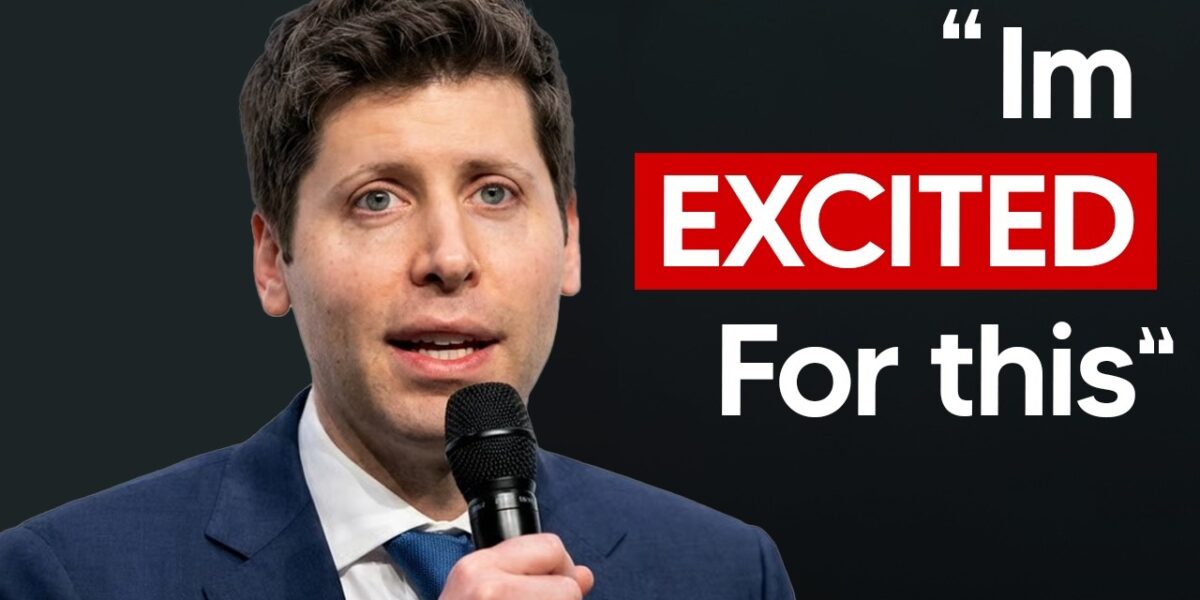
OpenAI Lawsuit Takes Dramatic Turn as Elon Musk’s Communication Habits Scrutinized
The ongoing legal battle between OpenAI and its co-founder Elon Musk has escalated, with new court filings and public statements revealing a complex narrative surrounding the AI giant’s origins and Musk’s current legal strategy. At the heart of the dispute is Musk’s claim that OpenAI, which he helped establish as a non-profit, secretly pivoted to a for-profit model, betraying its original mission and his financial contributions.
The Core Accusation: A Shift from Non-Profit to For-Profit
Elon Musk is seeking up to $134 billion, alleging that OpenAI’s leadership, including Sam Altman and Greg Brockman, misled him about the company’s intentions. Musk, who contributed significant funds between 2016 and 2018, argues that had he known about the plans to pursue massive profits, he would have sought equity rather than treating his investment as a donation. The trial is slated for April 2026.
Damning Evidence Emerges from Private Journals
A crucial development in the case came in January when court documents were unsealed, revealing excerpts from Greg Brockman’s personal diary. Brockman, a co-founder and president of OpenAI, reportedly wrote in November 2017, “I cannot believe that we committed to a nonprofit. If 3 months later we are doing BC Corp, then it was a lie.” He also noted the need to “get out from Elon financially.” These entries have been presented by Musk’s legal team as definitive proof of a pre-meditated deception.
OpenAI’s Counter-Move: The “Concerning” Tweet and Evidence Destruction
While Musk’s legal team has the diary entries, OpenAI’s CEO Sam Altman has expressed a peculiar confidence, tweeting, “I really excited to get Elon under oath in a few months. We have Christmas in April.” This statement puzzled many, given the apparent strength of Musk’s evidence. The explanation for Altman’s optimism emerged in subsequent court filings and OpenAI’s public statements, focusing on Elon Musk’s own communication practices at his AI company, xAI.
Musk’s Communication Policy: Auto-Deleting Messages
According to testimony from Musk’s former CFO, Musk preferred using messaging apps like Signal and X (formerly Twitter) with retention settings of one week or less. The former CFO stated that the more sensitive the information shared at xAI, the shorter the message deletion period. This practice, where messages are automatically deleted after a short period, is being framed by OpenAI as a deliberate attempt to obscure potentially incriminating communications.
Why This Matters: Spoliation of Evidence and Adverse Inference
In legal terms, the systematic deletion of messages, especially those deemed sensitive, can be construed as “spoliation of evidence” – the intentional destruction or alteration of evidence relevant to a legal proceeding. This is a serious issue that can severely damage a party’s case. OpenAI’s legal team is expected to argue that Musk’s auto-deletion policy, particularly when he was contemplating or engaged in litigation with OpenAI, suggests he had something to hide. Judges can instruct juries to make an “adverse inference,” meaning they are allowed to assume that the deleted messages would have been unfavorable to Musk’s case. This practice makes him appear guilty, as innocent individuals typically do not delete sensitive communications, especially when facing legal challenges.
Nuances in the Founding Narrative
The transcript suggests the situation is more nuanced than presented in Musk’s court filings. OpenAI has pointed to documents indicating that while a for-profit structure was discussed, negotiations faltered when Musk reportedly demanded full control and sought to merge OpenAI into Tesla. OpenAI claims they rejected this, and Musk then departed, predicting OpenAI’s failure to raise substantial capital without him. Notes also suggest discussions about transitioning to a Public Benefit Corporation (PBC) or C-Corp, with an emphasis on “telling the story and not losing the moral high ground.” The transcript highlights that Musk himself suggested OpenAI should find its own path to raising billions of dollars, even if he doubted their success.
The Legal Chess Match
The legal strategy appears to be a high-stakes chess match. Musk’s team has Brockman’s diary as a potential “smoking gun” to prove deception. However, OpenAI’s counter-strategy centers on Musk’s own deleted messages, which could lead to adverse inferences against him. While Brockman’s diary makes OpenAI look bad, Musk’s systematic evidence destruction could make him appear equally, if not more, culpable in the eyes of a judge and jury. The prospect of settlement before trial looms, as neither side may wish to risk unfavorable revelations being made public.
Broader Legal Battles: xAI vs. Apple and OpenAI
Adding another layer to the conflict, two businesses backed by Elon Musk have also sued Apple and OpenAI, alleging collusion to stifle competition by integrating ChatGPT into Apple’s operating systems. Musk’s legal team claims this violates competition law. However, the transcript suggests this lawsuit may not hold up, especially given recent reports of friction between Apple and OpenAI, and the argument that ChatGPT’s widespread adoption is a matter of market preference rather than anti-competitive practices.
The Future of AI: An Uncertain Landscape
The legal disputes underscore the intense competition and evolving landscape of artificial intelligence. With companies like Google and Anthropic emerging as strong competitors, the future structure and distribution of AI technology remain uncertain. The outcome of these legal battles could significantly shape the trajectory of major AI players and the industry as a whole.
Source: Elon Musk vs OpenAI Just Took a Wild Turn (YouTube)

Related Articles

AI’s Ethical Divide: Trump’s Ban Sparks Fierce Debate
The Trump administration's blacklisting of AI firm Anthropic over its refusal to allow autonomous weapons and mass surveillance has ignited a fierce debate. The move highlights deep ethical divides in AI development and raises concerns about future government-tech partnerships.

OpenAI Faces Existential Threats: Ads, Competition, and Financial Woes
OpenAI faces mounting challenges, including the introduction of ads into ChatGPT, diminishing returns from scaling AI models, intense competition from rivals like Google, and significant financial pressures. These factors raise questions about the company's long-term sustainability and its future in the rapidly evolving AI landscape.

OpenAI’s Pentagon Deal Sparks Controversy and Trust Crisis
OpenAI's new agreement with the Department of War to deploy its models on classified networks has ignited controversy. Critics accuse the company of compromising on safety principles accepted by rival Anthropic, potentially eroding trust and setting a dangerous precedent for AI ethics in government contracts.