OpenAI CEO Sam Altman’s Truthfulness Questioned in New Report
A new profile in The New Yorker raises serious questions about OpenAI CEO Sam Altman's truthfulness and leadership. The report, based on interviews with over a hundred sources, details allegations of deception and conflicting business practices. This scrutiny comes as OpenAI's influence grows in a largely unregulated AI industry, prompting calls for greater transparency and accountability.

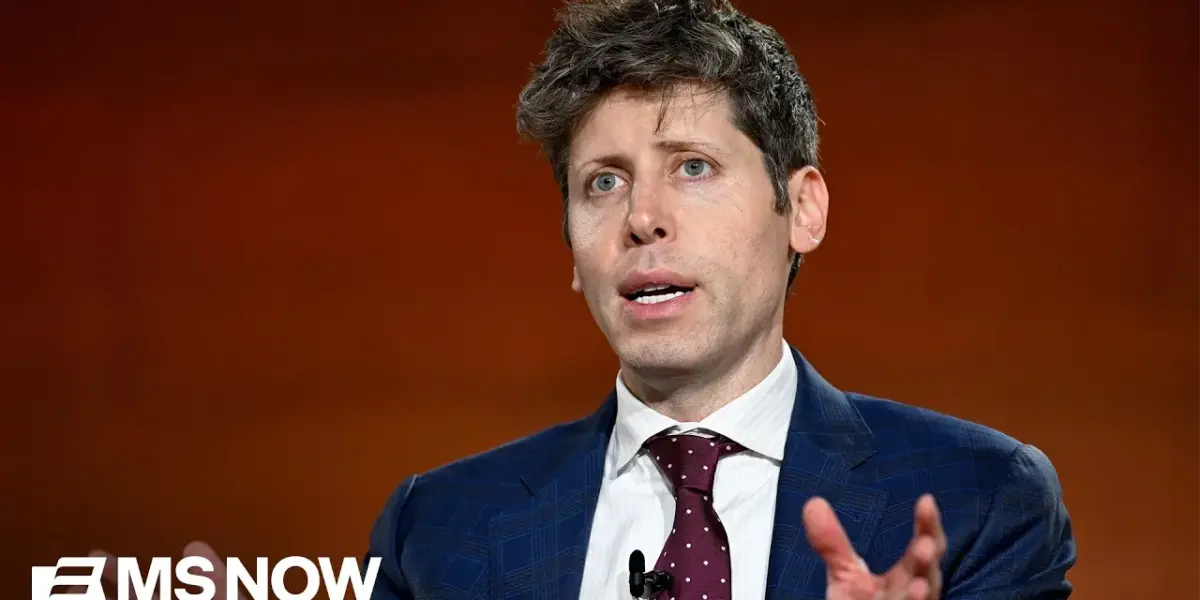
OpenAI CEO Sam Altman Faces Scrutiny Over Leadership and Trustworthiness
OpenAI, a leading artificial intelligence company with growing influence over the economy, labor market, education, and national security, is facing serious questions about its CEO, Sam Altman. A new profile in The New Yorker delves into allegations of deception and manipulation surrounding Altman, raising concerns about his leadership as the company rapidly expands its power and government contracts.
Investigative Report Uncovers Widespread Doubts
The New Yorker’s investigative report, authored by Ronan Farrow and Andrew Marantz, features insights from over a hundred individuals with close knowledge of Altman’s business practices. These sources include former colleagues, board members, and even someone close to Altman who expressed doubts about his suitability to lead. The article, titled “Sam Altman May Control Our Future: Can He Be Trusted?”, avoids a one-sided attack, instead meticulously examining past allegations and emerging details that suggest a pattern of keeping crucial information out of writing.
Concerns Over Lack of Regulation and Transparency
In an industry with virtually no regulation, the questions surrounding Altman’s trustworthiness are particularly significant. Unlike highly regulated public companies where transparency is paramount, OpenAI operates in a space where leadership’s conduct faces less oversight. This lack of regulation amplifies concerns, especially when considering the profound impact AI is expected to have on all aspects of life. Critics and even former colleagues point to a pattern of behavior that some find dysfunctional, even within the fast-paced culture of Silicon Valley.
A Pattern of Dissembling and Conflicting Deals
The New Yorker report highlights specific instances that fuel these concerns. Internal documents, including a memo from OpenAI co-founder Ilya Sutskever, reportedly list “Sam Altman exhibits a pattern of lying” at the beginning. The article also details conflicting business arrangements, such as OpenAI announcing exclusivity with Microsoft for certain technologies on the same day it revealed a new deal with Amazon for different services. Microsoft has stated that this is not possible without using their exclusive technology, suggesting a potential lack of straightforwardness in OpenAI’s dealings.
From Safety-First to Growth and Power
OpenAI was founded with a mission to prioritize safety and safeguard humanity from the potential risks of AI, even at the expense of rapid growth. However, the report suggests a shift in focus. Private records reportedly show founders discussing how to move away from the non-profit structure to pursue growth and power. This shift raises questions about whether Altman, who has acknowledged the technology’s potential to be catastrophic, is now prioritizing speed over the original safety-first mandate. This is particularly alarming given the company’s increasing engagement with governmental bodies like the Pentagon.
OpenAI’s Response and the Importance of Written Records
In response to the New Yorker’s reporting, OpenAI issued a statement suggesting the piece revisits old events using anonymous claims and selective anecdotes from individuals with agendas. However, Farrow and Marantz emphasize that their year-and-a-half-long investigation aimed to answer lingering questions. They highlight that previous investigations clearing Altman were conducted by board members he appointed after his initial firing, and key findings were kept from written records. This practice of relying solely on oral briefings, especially in high-profile cases, is seen by many legal analysts as a significant red flag, leaving crucial details unexamined and unanswered questions unresolved.
The Need for Guardrails in AI Development
The revelations underscore a broader need for guardrails and oversight in the rapidly evolving field of artificial intelligence. As companies like OpenAI develop technologies that could shape the future, the trustworthiness of their leadership becomes a critical concern. The report serves as a call for greater transparency and accountability, especially in an environment where regulatory appetite for oversight appears limited. The investigation aims to open a wider conversation about ensuring that the development of powerful AI is guided by principles of safety and integrity, protecting everyone from potential risks.
Source: "Scores of people questioning the CEO's truthfulness": The New Yorker on Sam Altman allegations (YouTube)

Related Articles


Mind Control Tech Frees Man From ALS Paralysis
A groundbreaking brain implant from Neuralink has enabled Brad Smith, who lost his ability to speak due to ALS, to communicate and control computers using only his thoughts. The technology allows him to type, play games, and even have his AI-cloned voice speak for him, significantly improving his quality of life and independence.


AI Models Can Now Learn Like Humans Do
New AI models can now learn and adapt like humans, building on past knowledge without forgetting. This "continual learning" avoids the costly retraining needed for current AI and promises more versatile and efficient AI systems for various applications.


US, Israel Decimate Iran’s Military; AI War Begins
An expert observer claims the US and Israel have decimated Iran's military, countering claims of Iranian victory. The conflict highlights the growing role of AI in warfare and a new 'AI Cold War' between global powers.