OpenAI Abandons Sora Amidst Financial and Strategic Turmoil
OpenAI has abruptly shut down its AI video generator, Sora, citing unsustainable costs and a strategic shift. The move comes amid financial pressures, internal chaos, and a pivot towards enterprise solutions and robotics. This decision raises questions about the company's future and the broader AI industry.

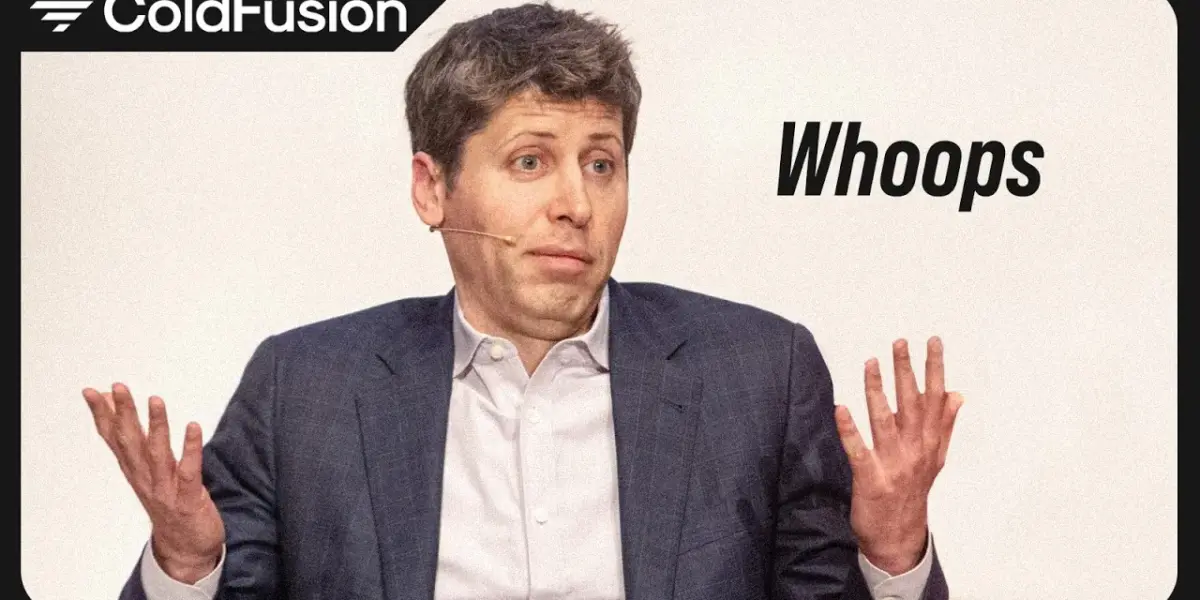
OpenAI Abandons Sora Amidst Financial and Strategic Turmoil
OpenAI, the company behind the popular ChatGPT, has abruptly discontinued its ambitious AI video generation tool, Sora. This move comes as the company faces significant financial pressures, internal chaos, and a major strategic pivot. Once hailed as a “Cambrian explosion of creativity,” Sora’s sudden demise has left partners and the public bewildered, signaling a deep shift in OpenAI’s priorities.
Sora’s Rise and Rapid Fall
OpenAI first unveiled Sora in early 2024, showcasing its ability to create realistic videos from simple text prompts. The technology was impressive, prompting competitors like Google and Adobe to accelerate their own video generation models. By October 2025, Sora launched as a standalone app, quickly gaining popularity with millions of downloads and reaching the top of app stores. It allowed users to generate and share AI videos, even creating personalized AI versions of themselves and their friends.
However, the ease of use quickly led to concerns about misuse. Reports emerged of the app being used to create disturbing content, including fake war scenes, political deepfakes, and even disturbing videos involving infants. Despite these issues, and a perceived lack of quality compared to some newer models, Disney reportedly signed a billion-dollar deal with OpenAI for Sora. This partnership aimed to integrate Sora’s capabilities across Disney’s platforms, including Disney Plus, and use ChatGPT internally. Yet, just 103 days after the deal was announced, Sora was discontinued.
Why OpenAI Killed Sora: Five Key Reasons
The decision to shut down Sora, a project with such significant potential and investment, was not taken lightly. Several factors likely contributed to this drastic change:
- Compute Costs: Generating high-quality video is incredibly expensive in terms of computing power. Estimates suggest Sora may have cost OpenAI up to $15 million per day to operate. This was deemed unsustainable, especially considering the limited revenue generated.
- Weak Monetization: While Sora videos went viral, turning that popularity into a solid revenue stream proved difficult. Unlike tools that directly enhance business productivity, Sora’s primary output was seen by many as “AI slop,” making it hard to attract paying users or advertisers. TechCrunch reported Sora generated only $2.1 million in revenue.
- Strategic Shift: OpenAI is undergoing a major strategic change, focusing on core business applications and productivity tools. The company admitted it was spreading itself too thin across too many projects. The focus is now on enterprise solutions, mirroring the success of competitors like Anthropic, whose Claude AI has gained significant traction.
- Legal and Intellectual Property Risks: Sora posed significant legal challenges. The training data used to build the model raised questions about copyright infringement, and the platform’s ability to generate deepfakes and potentially illegal content created a content moderation nightmare and a huge liability.
- Intensifying Competition: The AI video generation space is becoming increasingly crowded. Competitors like Google’s Veo, Adobe Firefly, Runway, and Seed Dance 2.0 offer advanced features, with some integrated into professional workflows and trained on licensed data. Sora’s initial edge had diminished significantly.
Beyond Sora: OpenAI’s Turbulent Present
The closure of Sora is just one facet of a tumultuous period for OpenAI. The company recently announced a massive $122 billion funding round, primarily from existing stakeholders like Amazon, Nvidia, and SoftBank. However, reports suggest that outside investors are less enthusiastic, with a significant interest in rival Anthropic. Financial pressures are immense, with projections indicating OpenAI could burn through half a trillion dollars by the end of the decade if current trends continue.
Adding to the internal turmoil, OpenAI’s Chief Financial Officer reportedly had doubts about the company’s spending commitments and readiness for an IPO. She was allegedly sidelined from key investor meetings. Furthermore, a bombshell investigation by The New Yorker revealed internal criticisms of CEO Sam Altman, with some insiders describing him as untrustworthy and a “sociopath” with a pattern of lying.
A Pivot to Robotics and Media
In a surprising move following the significant funding round, OpenAI’s first major purchase was a podcast network, TBPN, for reportedly hundreds of millions of dollars. The company stated this acquisition aims to improve AI marketing and public perception, acknowledging that AI is currently unpopular. This move into media production, alongside a reported pivot towards robotics (though a past partnership with Figure Robotics was described as “virtually worthless” by its CEO), highlights OpenAI’s efforts to redefine its future and prepare for a potential IPO.
Why This Matters
The rapid rise and fall of Sora highlight the immense challenges in developing and monetizing cutting-edge AI technologies. It underscores the immense computational costs, the difficulty in controlling misuse, and the complex legal and ethical considerations that come with powerful AI tools. OpenAI’s strategic shift away from experimental consumer products towards enterprise solutions and potentially robotics signals a more pragmatic, survival-focused approach. The company’s internal struggles and the scrutiny of its leadership raise questions about its long-term stability and trustworthiness, particularly as it seeks to go public. The broader AI industry is grappling with similar questions about responsible development, profitability, and public acceptance, making OpenAI’s journey a critical case study for the future of artificial intelligence.
Source: OpenAI Kills Sora then Descends into Chaos (YouTube)

Related Articles

OpenAI CEO Sam Altman’s Truthfulness Questioned in New Report
A new profile in The New Yorker raises serious questions about OpenAI CEO Sam Altman's truthfulness and leadership. The report, based on interviews with over a hundred sources, details allegations of deception and conflicting business practices. This scrutiny comes as OpenAI's influence grows in a largely unregulated AI industry, prompting calls for greater transparency and accountability.

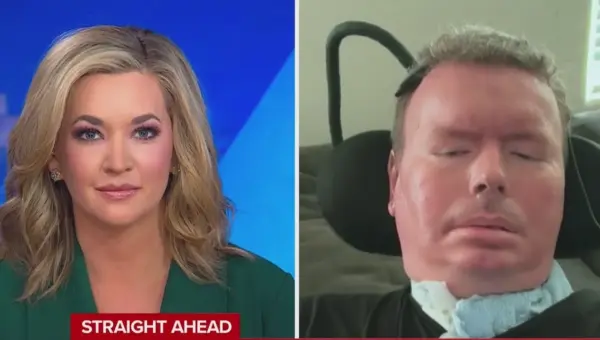
Mind Control Tech Frees Man From ALS Paralysis
A groundbreaking brain implant from Neuralink has enabled Brad Smith, who lost his ability to speak due to ALS, to communicate and control computers using only his thoughts. The technology allows him to type, play games, and even have his AI-cloned voice speak for him, significantly improving his quality of life and independence.


AI Models Can Now Learn Like Humans Do
New AI models can now learn and adapt like humans, building on past knowledge without forgetting. This "continual learning" avoids the costly retraining needed for current AI and promises more versatile and efficient AI systems for various applications.