OnePlus: The Enthusiast Brand’s Survival Blueprint
OnePlus's journey from a niche enthusiast brand to a mainstream player is a masterclass in survival, albeit one that saw the dilution of its original identity. The company's strategic pivot offers a blueprint for longevity in the competitive smartphone market.

OnePlus: The Enthusiast Brand’s Survival Blueprint
In the ever-evolving landscape of the smartphone industry, the journey of a brand from niche enthusiast darling to mainstream contender is a perilous one. Many have tried, and many have failed. However, OnePlus, a company that once embodied the very definition of an ‘enthusiast brand,’ has, against the odds, navigated this treacherous path and emerged as a case study in survival. While a recent article speculated on the brand’s potential demise, the reality is that OnePlus has completed a full arc, demonstrating a unique, albeit sometimes controversial, blueprint for longevity.
From Flagship Killer to Mainstream Player
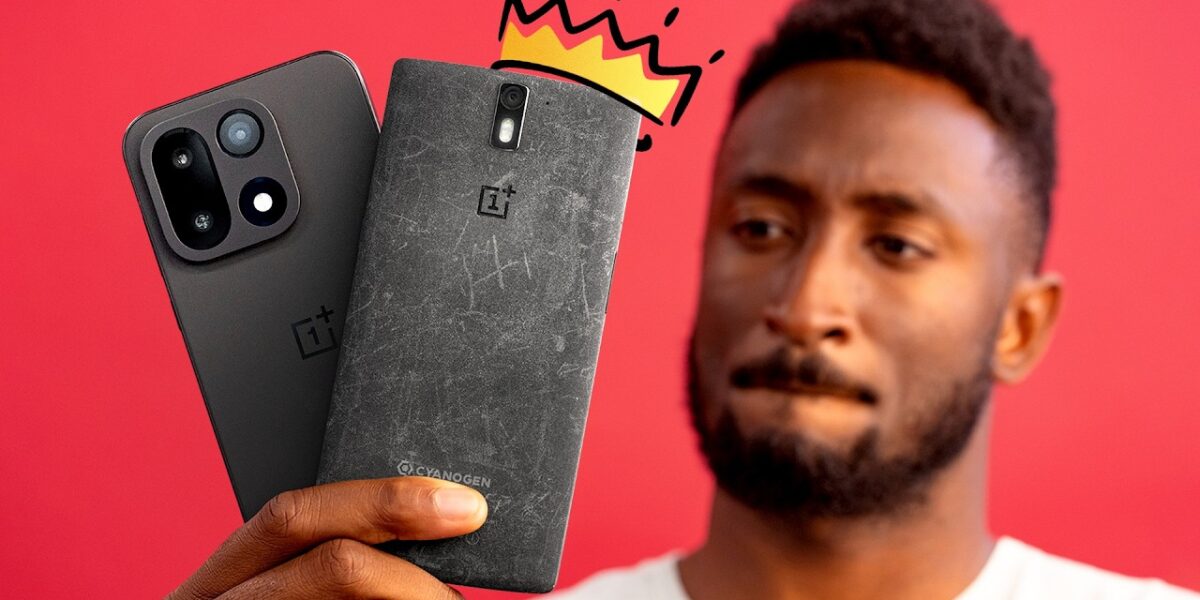
The story of OnePlus begins in 2014, a time when the US smartphone market was a seemingly impenetrable duopoly dominated by Apple and Samsung. Into this arena stepped the OnePlus 1, a device that sent shockwaves through the tech community. Boasting flagship specifications – including a then-current Snapdragon 800 series chip – for an astonishing $300, it was dubbed the ‘flagship killer.’ Coupled with a clean software experience powered by CyanogenMod, it offered a refreshing alternative to the established giants. The enthusiast community, drawn to its raw power, clean software, and aggressive pricing, embraced it wholeheartedly. Despite a notoriously difficult invite-only system, the OnePlus 1 sold over a million units, instantly putting the brand on the map.
However, this initial success presented OnePlus with a fundamental challenge. The enthusiast market, while passionate, is also the smallest, most demanding, and least loyal segment of consumers. As the speaker in the original transcript notes, enthusiasts often chase the next best thing, making them an unstable foundation for long-term growth. The true test for any brand lies in its ability to transition from this niche appeal to capturing the attention of the broader, more casual consumer base.
The OnePlus Arc: A Blueprint for Survival
The second generation of any product often reveals a company’s learning and strategic direction. With the OnePlus 2, the company seemed to tread carefully, retaining much of the original’s appeal while slightly increasing the price to $330. They also experimented with the OnePlus X, a $250 mid-range device that, while well-priced, failed to resonate with their core enthusiast audience. This period represented a slight wobble in their otherwise focused ‘flagship killer’ identity.
The OnePlus 3 and 3T marked a return to form, re-establishing the brand as a purveyor of high-end, enthusiast-focused devices. By the time the OnePlus 7 series arrived, the company was arguably at its peak in the eyes of many reviewers and tech enthusiasts. Iterations brought thinner bezels, in-display fingerprint sensors, larger batteries, and faster charging. Their proprietary Oxygen OS was lauded for its smooth, fast, and optimized performance, a testament to a dedicated software team. At this stage, OnePlus phones were widely considered the best bang for the buck, with reviewers like MKBHD praising their value and performance. The OnePlus 7T Pro, in particular, is cited as a high point – a device with a modern design, clean software, responsive performance, fast charging, and even a pop-up selfie camera, all for $660.
The Balancing Act: Appeasing the Masses Without Alienating Enthusiasts
Despite this critical acclaim, the masses were still largely absent from OnePlus’s sales figures. The typical consumer still opted for the familiar, carrier-subsidized devices from Apple and Samsung. The challenge for OnePlus was to bridge this gap: how to attract the mainstream without alienating the loyal enthusiast base that had propelled them this far?
The core issue lies in the conflicting desires of these two consumer groups. Enthusiasts appreciate cost-cutting measures that translate to lower prices (like omitting official IP ratings or avoiding traditional advertising and carrier deals). The masses, however, often prioritize features like official water resistance and the convenience of purchasing phones at carrier stores. To appeal to the latter, a brand must adopt strategies that often directly contradict the ethos that attracted the former. This is the central dilemma that has led to the downfall of many enthusiast brands.
OnePlus’s Strategic Pivot: A Gradual Transformation
OnePlus embarked on a deliberate, albeit gradual, transformation. They began incorporating more mainstream features and design philosophies. This included a shift towards all-glass designs, the addition of official IP ratings for water and dust resistance, and a steady increase in pricing, with their flagship phones eventually reaching the $900 mark. To cater to a wider audience and maintain sales volume, they introduced the OnePlus Nord budget line, offering more affordable mid-range options.
Crucially, OnePlus pursued carrier deals in the US, a move that opened doors to consumers who typically buy phones in physical stores. This period also saw significant organizational changes, including the departure of co-founder Carl Pei. To bolster camera performance – a key consideration for mainstream buyers – OnePlus partnered with Hasselblad, starting with the OnePlus 9 series.
By the time of the OnePlus 10 series, the brand’s original identity had become considerably diluted. Their phones began to closely resemble those of their sister company, Oppo. While these strategic shifts allowed OnePlus to expand its market reach and achieve significant sales volume, the original enthusiast appeal waned. The fast charging and Oxygen OS (though increasingly similar to Oppo’s ColorOS) remained as vestiges of their former identity.
The Present and Future of OnePlus
Fast forward to the OnePlus 15, the device is described as a solid, smooth, and fast-charging phone with good battery life. However, its design is generic, and its cameras are not particularly noteworthy. The original enthusiast has long since moved on to newer, more specialized brands like Poco, Sony Xperia, and Nothing. Today, the OnePlus 15 is a phone that can be recommended to the average consumer, signifying a technical, albeit narrow, success in achieving mainstream appeal.
The ‘downfall’ of OnePlus, therefore, is not one of extinction, but of transformation. They have successfully survived by shedding the very characteristics that made them beloved by their initial audience. This deliberate peeling back of enthusiast-centric features and the softening of their identity has allowed them to appeal to a broader market. It’s a strategy that, while ensuring survival, comes at the cost of their original allure. The journey of OnePlus serves as a vital case study for any enthusiast brand aspiring to achieve mainstream success, demonstrating that the path is paved with difficult compromises and the inevitable alienation of the very fans who first championed them.
While rumors persist about canceled projects like a new foldable and a compact flagship sequel, the brand’s future remains uncertain. However, the arc of OnePlus – from the ultimate enthusiast phone to a mainstream contender – will undoubtedly be studied by others facing the same daunting challenge.
Specs & Key Features (General Evolution)
- OnePlus 1 (2014): Snapdragon 800 series, $300 price point, CyanogenMod, no official IP rating, invite-only system.
- OnePlus 2 (2015): Minor spec bumps, slightly increased price ($330), introduction of OnePlus X (mid-range).
- OnePlus 3/3T (2016): Return to high-end enthusiast focus, rapid iteration, cool features.
- OnePlus 5/6/7 Series (Peak Enthusiast Era): High-end specs, refined design, thinner bezels, in-display fingerprint sensors, larger batteries, faster charging, Oxygen OS (smooth, fast, optimized), best bang for the buck. OnePlus 7T Pro mentioned as a standout example ($660).
- Later Models (e.g., OnePlus 9, 10, 15): Introduction of all-glass designs, official IP ratings, increased pricing (up to $900), OnePlus Nord budget line, US carrier deals, Hasselblad camera partnership, closer resemblance to Oppo phones.
Source: The Downfall of OnePlus will be Studied (YouTube)

Related Articles


Influencer Marketing Fails: A Systemic Flaw
Brands often fail at influencer marketing by treating it as a one-off experiment. Industry analysis suggests that successful campaigns are built on a systemic approach, prioritizing authentic storytelling and user-generated content over direct promotion.

Authenticity Drives Influencer Marketing ROI
Brands are urged to ditch scripted content in influencer marketing. Empowering creators with clear goals and key points, rather than rigid scripts, leads to more authentic content, increased trust, and better conversion rates, ultimately boosting ROI.

Honor’s ‘Robot Phone’ Adds a Gimbal Arm
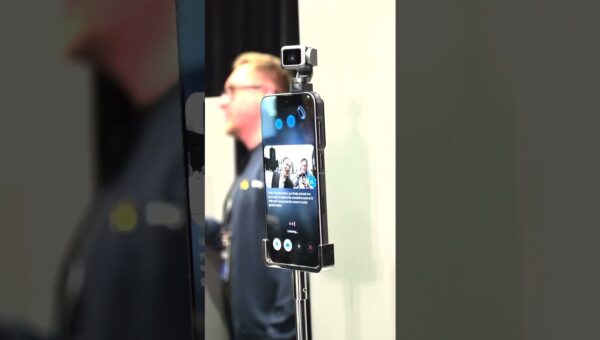
Honor's 'Robot Phone' made waves at MWC with its integrated gimbal-stabilized camera arm and 200MP sensor. This innovative device aims to redefine mobile videography with advanced AI tracking and dynamic shooting capabilities.