O’Leary Sees Middle East Stability Boosting Stocks
The Dow Jones Industrial Average surged over 1000 points, sparking hope for a market bottom. Investor Kevin O'Leary sees potential for a "strait deal" to bring Middle East stability, which he believes could boost economic growth and benefit regions like the UAE.

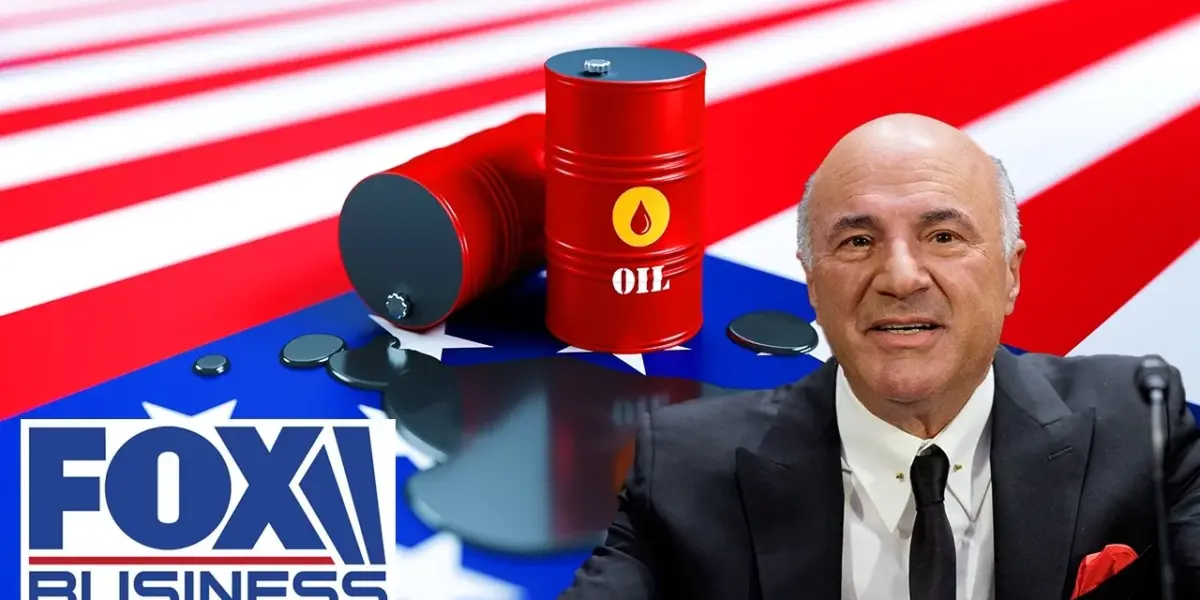
Dow Surges 1000 Points as Market Eyes Middle East Stability
The stock market showed a strong rally on Tuesday, with the Dow Jones Industrial Average surging over 1000 points. This significant move upwards has investors wondering if the market has found its bottom and if a sustained climb is ahead.
Oil Prices and Inflation Concerns
A key factor influencing market sentiment is the price of oil. For gasoline prices to reach $6 per gallon in some states, oil would likely need to trade above $95 per barrel for about three months. With the current conflict in the Middle East entering its eighth week, ongoing supply concerns continue to put upward pressure on energy prices. This could impact inflation and consumer spending, making it a critical indicator for the economy.
A Potential “Strait Deal” for Regional Stability
Investor and media personality Kevin O’Leary highlighted a potential major policy development he is watching closely: a “strait deal” focused on stability in the Middle East. He suggests this could evolve into a multinational agreement. O’Leary pointed out that significant financial contributions could come from countries in the region, such as the UAE, Saudi Arabia, Bahrain, and Qatar. This regional investment aims to ensure stability, particularly around crucial shipping lanes like the Strait of Hormuz.
Global Interests in Strait Security
The security of these vital waterways is not just a regional concern. Japan, for instance, relies heavily on oil passing through this strait, with 72% of its oil imports using this route. China, a major global economic power and a geopolitical rival to the United States, also has a significant stake in the smooth flow of oil through the region. Ensuring the safety of these shipments is paramount for global energy security and economic stability.
Cost of Security vs. Economic Value
O’Leary noted that the cost to ensure the security of these shipping lanes, including making sure Iran and other regional players uphold their commitments, is estimated at around $5 billion. He argues this is a relatively small price to pay compared to the immense economic value that would be protected. The potential for a $20 per barrel premium on oil, which could be avoided with stability, underscores the financial benefit of such a deal.
O’Leary’s Optimism for the Quarter
Looking ahead to the end of the current quarter, O’Leary expressed optimism about the market’s direction. He believes that achieving stability in the Middle East could lead to a significant change in economic growth rates. This potential for enhanced growth is a key reason for his positive outlook. He specifically mentioned the UAE as an attractive area for investment, suggesting its economy could benefit greatly from regional stability.
What Investors Should Know
The market’s recent rally, coupled with O’Leary’s optimistic outlook, suggests a potential turning point. However, investors should remain aware of the underlying factors influencing market movements. High oil prices can lead to inflation, which can hurt consumer spending and corporate profits. A “strait deal” focused on Middle East stability could reduce oil price volatility and boost economic confidence. Countries like the UAE, which are central to such agreements and stand to benefit from increased trade and investment, may present opportunities. Investors should consider how geopolitical stability and energy prices could shape economic growth and sector performance in the coming months.
Long-Term Implications
If a lasting peace and stability are achieved in the Middle East, the long-term implications for the global economy could be substantial. Reduced geopolitical risk can encourage foreign investment, foster trade, and lower energy costs. This could create a more favorable environment for businesses and consumers, potentially leading to sustained economic expansion. Sectors that are sensitive to energy prices or rely on stable global trade routes may see significant benefits. Conversely, failure to achieve stability could prolong uncertainty and dampen economic prospects.
Source: 'I’M OPTIMISTIC': Kevin O’Leary hints at MAJOR shift ahead (YouTube)

Related Articles
Oil Prices Hold Steady Amid Iran Tensions, Inflation Eases
Oil prices remain below $100 a barrel despite rising tensions with Iran, as inflation shows signs of cooling. While diplomatic talks face significant hurdles, Saudi Arabia's pipeline capacity and falling food prices offer some economic stability. Investors remain cautious, weighing geopolitical risks against easing price pressures.


Congress Stalls as Trump’s Iran Deal Crumbles
Republican leaders have adjourned Congress while a potential ceasefire deal with Iran, brokered by Donald Trump, appears to be collapsing. Critics argue Trump agreed to a 10-point plan that significantly weakens U.S. influence and cedes control of vital waterways to Iran, raising concerns about regional stability and America's global standing.

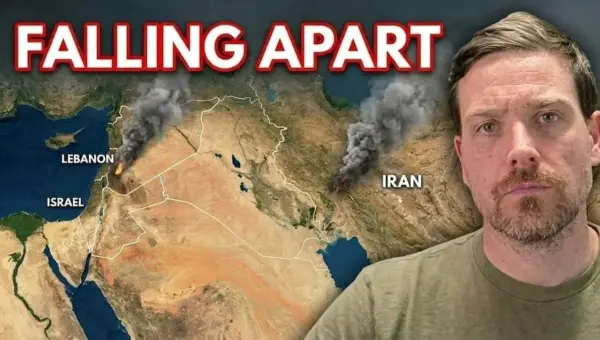
Iran Talks Crumble: Ceasefire Unravels Amidst Standoff
Talks between the U.S. and Iran are on the brink of collapse as preconditions remain unmet and fighting continues. Iran is demanding the release of blocked assets and a full ceasefire before negotiations can begin, while both sides appear to be preparing for renewed hostilities rather than de-escalation.