Oil Tanker Catches Fire Near Oman, Crew Evacuated
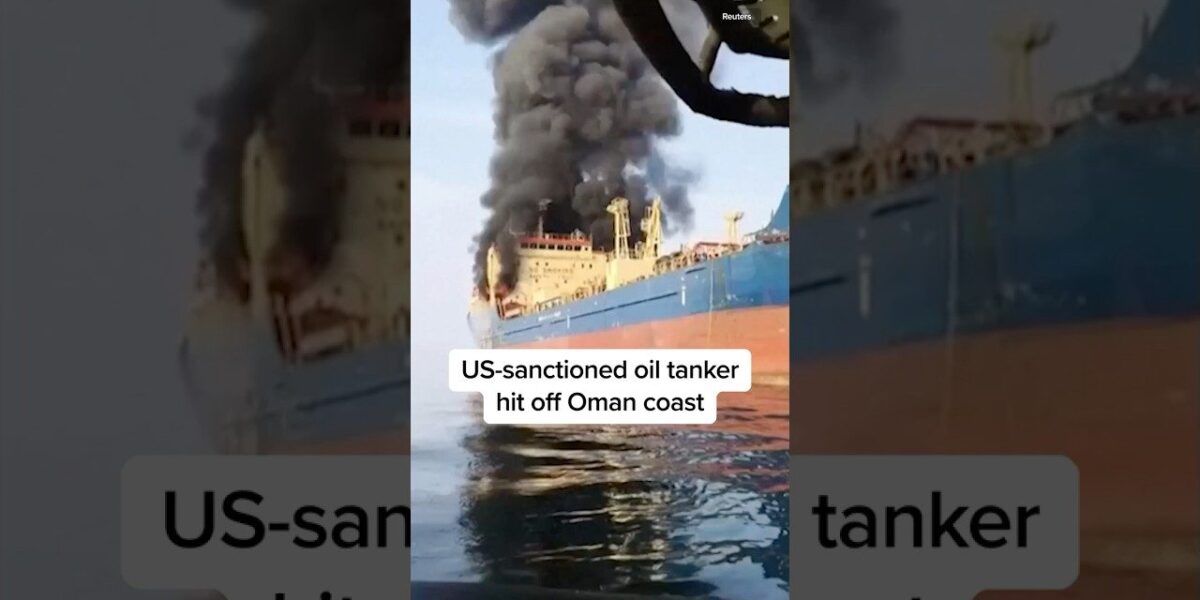
A U.S.-sanctioned oil tanker caught fire off Oman's Musandam coast, leading to the emergency evacuation of its 20-person crew, some of whom were injured. The incident occurred in a crucial shipping lane, raising concerns about regional maritime security amidst ongoing geopolitical tensions.

Oil Tanker Catches Fire Off Oman Coast, Crew Evacuated Amid Rising Tensions
MUSANDAM, OMAN – A U.S.-sanctioned oil tanker erupted in flames off the coast of Oman’s Musandam peninsula on [Date of Incident – As Transcript Does Not Specify, Use Placeholder], forcing the emergency evacuation of its entire 20-person crew. The incident, which occurred in a strategically vital shipping lane, has heightened concerns over regional maritime security amid existing geopolitical tensions.
Incident Details and Crew Response
The tanker, identified as being under U.S. sanctions, became engulfed in fire, necessitating a rapid response to ensure the safety of those aboard. All 20 crew members were successfully evacuated, though reports indicate that some sustained injuries during the emergency. The exact cause of the fire remains under investigation, but the proximity to one of the Gulf’s busiest and most critical shipping routes has amplified the significance of the event.
Strategic Importance of the Region
The Musandam peninsula, located at the tip of the Arabian Peninsula, overlooks the Strait of Hormuz, a chokepoint through which approximately 30% of the world’s seaborne oil trade passes. Any disruption or perceived threat in this area can have immediate and far-reaching implications for global energy markets and international shipping. The presence of a sanctioned vessel involved in such an incident adds another layer of complexity, potentially implicating state or non-state actors and raising questions about the vessel’s cargo and destination.
Broader Implications and Geopolitical Context
This incident occurs against a backdrop of heightened regional tensions, which have seen increased maritime activity and occasional confrontations. The U.S. has previously imposed sanctions on various entities involved in the oil trade, often citing concerns related to illicit financing, support for destabilizing activities, or violations of international agreements. The fact that the affected tanker was under such sanctions suggests a potential connection to these broader geopolitical dynamics. While the transcript does not provide details on the specific sanctions or the entity involved, such measures are typically aimed at disrupting the financial flows and operational capabilities of targeted parties.
Maritime incidents in the Strait of Hormuz and surrounding waters are not unprecedented. In recent years, the region has witnessed a series of attacks and seizures involving commercial vessels, often leading to accusations and counter-accusations between regional powers. These events underscore the fragility of maritime security in this critical waterway and the potential for miscalculation or escalation.
Ongoing Investigations and Future Outlook
Authorities are expected to launch a thorough investigation into the cause of the fire, the extent of the damage to the vessel, and the circumstances surrounding its operation, particularly given its sanctioned status. The safe evacuation of the crew is a primary concern, and efforts will likely focus on providing necessary medical attention to the injured. Furthermore, the incident will undoubtedly draw attention to the security protocols governing shipping in the Strait of Hormuz and the broader implications for international maritime trade. As investigations unfold, the global community will be watching closely for any developments that could shed light on the incident’s origins and its potential impact on regional stability and global energy supplies.
Source: US-sanctioned oil tanker hit off Oman coast (YouTube)

Related Articles
Oil Prices Skyrocket Amid Strait of Hormuz Closure
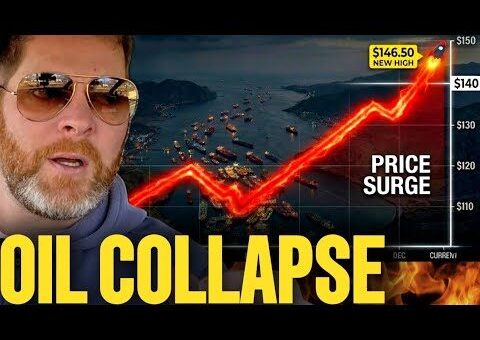
The Strait of Hormuz is now effectively closed due to conflict, disrupting a third of the world's oil supply and sending prices soaring. Experts warn of a new cost of living crisis as fuel and product costs rise globally.


Iran’s Oil Leverage: Strait of Hormuz and Geopolitical Chess
Iran's strategic control over the Strait of Hormuz, a vital oil chokepoint, and its role as a key oil supplier to China and Russia grant it significant global leverage. This dynamic, coupled with regional security concerns, profoundly impacts energy markets and U.S. foreign policy.
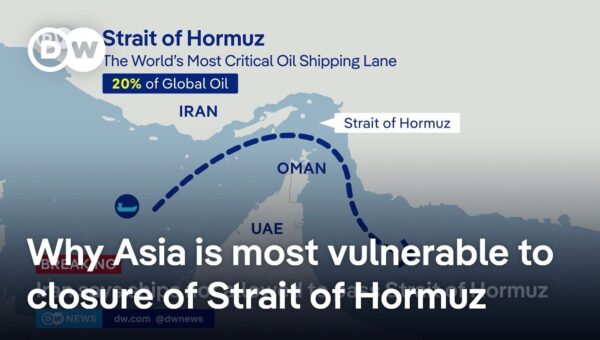
Iran Strait of Hormuz Blockade Threatens Global Oil Prices
Iran's Revolutionary Guard has issued warnings against ships passing through the Strait of Hormuz, a critical global oil chokepoint. This potential blockade threatens to disrupt 20% of the world's crude oil flow, potentially spiking energy prices and fueling global inflation. Experts warn of significant market reactions and widespread economic consequences.