Oil Surges to $115 as Iran Tensions Escalate
Oil prices surged past $115 per barrel amid escalating U.S.-Iran tensions, with WTI eclipsing Brent. Iran rejected a U.S. proposal, increasing fears of military action. Despite market anxiety, some indicators suggest underlying economic resilience.

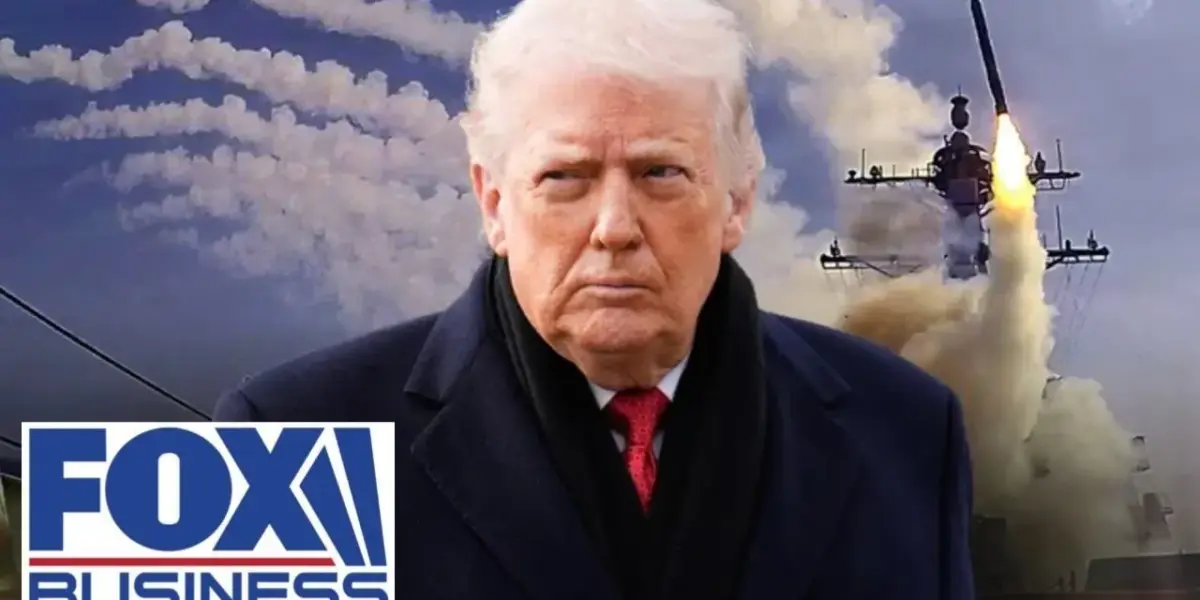
Oil Prices Spike as Iran Tensions Mount
Crude oil prices have surged past the $115 per barrel mark for West Texas Intermediate (WTI), a significant move driven by escalating tensions with Iran. This price jump marks a notable shift, as WTI has eclipsed the Brent crude price, which typically trades at a premium. The market is reacting to the U.S. issuing an ultimatum to Iran, demanding a change in its conduct with a seven-hour deadline, or face potential military action. President Trump has warned of severe consequences, including the destruction of bridges and power plants, stating the country could be “taken out in one night.” The U.S. has also conducted strikes on Kharg Island, Iran’s primary oil export hub, signaling a hardening stance.
Iran Rejects U.S. Proposal, Demands More
Iran has rejected a U.S. ceasefire proposal, instead submitting a 10-point plan that President Trump deemed insufficient. This diplomatic deadlock has intensified concerns about potential military escalation. The situation highlights the delicate balance between diplomatic negotiation and the threat of force. Experts suggest that any potential deal with Iran would need to include a fully open Strait of Hormuz, a critical waterway for global oil transport.
Market Reacts to Geopolitical Risk
The market’s reaction to the rising geopolitical tensions has been palpable, though perhaps not as severe as some might expect. While WTI crude has climbed to $115 per barrel, the Dow Jones Industrial Average has seen a more modest decline of about half a percent. This suggests investors are somewhat hesitant to price in the full extent of potential conflict, or perhaps they are anticipating a resolution. However, the elevated oil prices are a clear indicator of market anxiety.
Understanding Oil Price Dynamics
The unusual situation where WTI crude is trading higher than Brent crude is attributed to the perceived scarcity of available oil resources. When global markets view oil supplies as uncertain or at risk, the oil that is readily accessible becomes more valuable. This phenomenon is currently driving the WTI price higher. Typically, Brent crude, which is more globally benchmarked, commands a higher price. Analysts expect this price relationship to revert once the situation normalizes.
Strategic Strikes and Diplomatic Maneuvering
The U.S. military action targeting Kharg Island is seen by some as a powerful “object lesson” for Iran. This strike, while not targeting critical infrastructure, serves as a strong warning. It demonstrates the U.S. capability and willingness to act decisively when its interests are threatened. The deployment of additional military assets to the region further underscores this resolve, aiming to deter any miscalculation by Iranian negotiators who might believe the U.S. is bluffing.
Potential Outcomes and Investor Concerns
Discussions among analysts point to several possible paths forward. One scenario involves the U.S. military intervening to reopen the Strait of Hormuz if diplomatic resolutions fail. The goal, in this case, would not be to halt oil flow entirely but to seize key facilities like Kharg Island, ensuring oil continues to reach the global economy. Such an action would significantly embarrass the Iranian regime and strengthen the U.S. position in negotiations. However, investors are primarily focused on the uninterrupted flow of commodities and the swift end to the conflict, sometimes prioritizing market stability over broader geopolitical considerations.
Investor Sentiment and Economic Outlook
Despite the geopolitical turmoil, some market indicators suggest a degree of resilience. While Wall Street analysts have begun revising S&P 500 price targets downward for the year, the overall consensus for economic growth and stock market performance has not drastically changed since the conflict began. A recent survey by the New York Fed indicated that consumers expect inflation to rise in the short to medium term, but long-term expectations remain stable. Encouragingly, some studies suggest that a significant washout of retail investor confidence, as potentially seen now, can precede market gains. Historically, following such periods of extreme caution, the S&P 500 has risen approximately 82% of the time in the subsequent months, with an average return of 4%.
Resilient Fundamentals Amidst Uncertainty
Strong job numbers released recently, though somewhat overshadowed by the escalating tensions, also provide a positive signal for the economy. While revisions to these numbers are expected, the fact that the economy has not significantly weakened suggests underlying fundamentals remain intact. Consensus forecasts for economic growth and stock market performance have remained relatively stable, indicating that the broader economic narrative of strength, established at the beginning of the year, has not yet been abandoned. This suggests that while current events are causing unease, the long-term economic outlook may be more robust than immediate concerns imply.
“I think that the mission that we executed to save those airmen was the most powerful object lesson you could ever send to Iran that when we decide something must be done and it’s in our interests, we will do it.”
Market Impact
The immediate market impact is seen in the sharp rise of oil prices, reflecting increased geopolitical risk. Higher energy costs can translate into increased inflation and potentially slower economic growth if sustained. For investors, this creates a complex environment. While some sectors might benefit from higher commodity prices, others, particularly those sensitive to energy costs, could face headwinds. The uncertainty surrounding the duration and intensity of the conflict makes long-term investment planning challenging. However, the resilience of job numbers and the stable long-term economic consensus offer some reassurance that the broader economy may weather the storm.
What Investors Should Know
Investors should monitor the developments in the Strait of Hormuz closely, as any disruption to oil flow could have significant global economic consequences. While the market has not yet fully priced in a major conflict, the potential for escalation remains. The current market sentiment, characterized by some investor caution, could present opportunities for those looking to buy into potential dips, especially if historical patterns hold true. Understanding that geopolitical events can cause short-term volatility is crucial, but focusing on the underlying economic fundamentals and long-term trends may offer a more stable investment approach.
Source: This was the MOST POWERFUL object lesson you could ever send Iran: Brenberg (YouTube)

Related Articles

US Foreign Policy Shift: Iran Conflict Looms
Escalating tensions between the U.S. and Iran point towards a potential major international conflict. Concerns are rising about the U.S. adopting an aggressive global stance, with significant economic and human costs predicted. Many Americans feel powerless to influence their government's actions, fearing a dark future.
Trump’s Nuclear Threats Spark GOP Exodus, Critics Warn of War Crimes
Former President Donald Trump's extreme threats against Iran have sparked widespread condemnation, even from his usual allies. Commentators and politicians are warning of potential war crimes and calling for his removal from office. This situation highlights concerns about unchecked executive power and the GOP's role in enabling it.
Trump’s Iran Threat: War Crimes or Diplomacy?
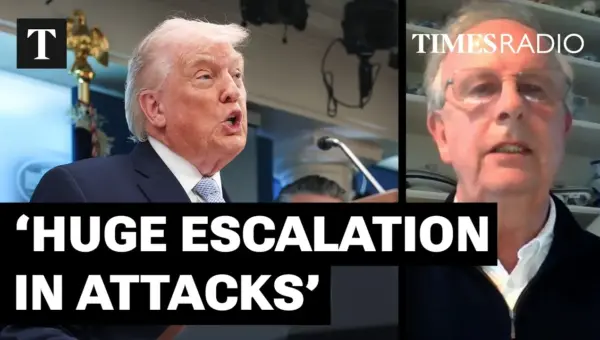
President Trump's threats to 'decimate' Iranian infrastructure have raised alarms about war crimes and a major escalation in the Middle East. With civilians reportedly forming human shields, international law experts and analysts debate the president's motives and the potential consequences.