Oil Surges Past $3.50 as Mideast Conflict Sparks Supply Fears
The US-Israel conflict with Iran has triggered significant oil supply disruptions, pushing gasoline prices above $3.50 per gallon. Unlike past conflicts, the US's status as a major oil producer offers some buffer, but high inflation and interest rates create a complex economic backdrop.

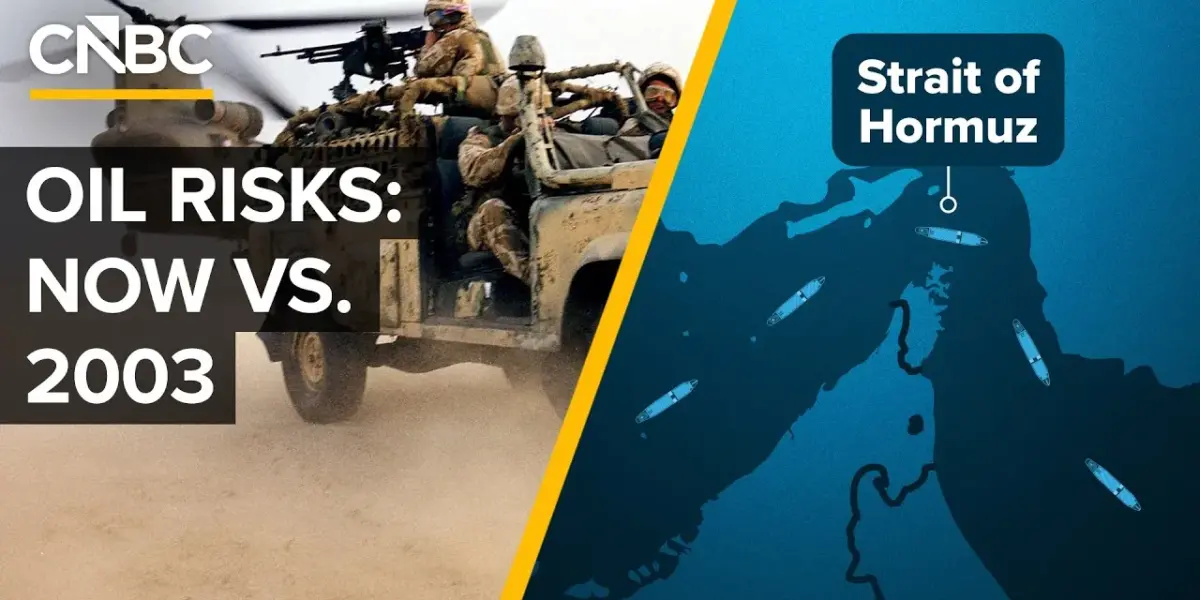
Oil Prices Spike as Middle East Conflict Fuels Supply Disruption Fears
Global oil prices have entered a period of extreme volatility, with the ongoing US-Israel conflict with Iran triggering the largest oil supply disruption in recent history. Crude oil prices are being closely monitored, with analysts speculating that a sustained reduction in output from the Gulf region could propel prices back into triple-digit territory. This instability is already impacting American consumers, as the average price for a gallon of unleaded gasoline in the U.S. surpassed $3.50 on Tuesday, marking its highest point since early 2024.
Historical Echoes: The Iraq War Precedent
The current situation draws parallels to past geopolitical events that have disrupted energy markets. The 2003 invasion of Iraq, for instance, saw a significant escalation in oil prices in the years that followed. Global oil prices climbed from approximately $30 per barrel in 2003 to over $130 by mid-2008. This surge dramatically impacted consumers, with the national average price for a gallon of gasoline more than quadrupling between 2003 and 2008.
These historical episodes, including the 1970s oil embargoes and the 1990s Gulf War, serve as stark reminders of how military conflicts in the Middle East can lead to sharp increases in oil prices. However, the current economic landscape presents a different set of dynamics.
A New Energy Landscape: US as a Producer
A key differentiator between the current conflict and the 2003 Iraq War is the United States’ current position as the world’s largest oil producer. While this domestic production does not render the U.S. immune to global price shocks, as oil is priced on a global scale, it does mitigate the one-sided macroeconomic impact seen in previous oil crises. In the past, a disruption in supply would have a more profound and direct negative effect on the U.S. economy due to its reliance on imports. Now, increased domestic production offers a partial buffer.
The Dual Impact of Oil Prices on Inflation
Elevated oil prices affect inflation through two primary channels:
- Direct Costs: When the price of crude oil rises, the cost of gasoline, which is refined from oil, inevitably increases. This is the most immediate and visible impact on consumers at the pump.
- Indirect Costs: Higher oil prices have a ripple effect throughout the economy. Businesses that rely on oil for heating, transportation, or as a raw material face increased operational costs. These costs are often passed on to consumers in the form of higher prices for a wide range of goods and services. For example, heating oil costs rise for households, and businesses may increase prices for their products.
Interest Rates and Economic Backdrop: A Stark Contrast
The current economic environment, characterized by stubbornly high inflation and elevated interest rates, stands in sharp contrast to the period following the 2003 Iraq War. In 2003, the U.S. economy was emerging from a recession, inflation was low, and the Federal Reserve’s target interest rate was around 1%. Policymakers were even concerned about inflation being too low.
Today, inflation has remained above the Federal Reserve’s 2% target for an extended period, and interest rates are significantly higher than in the post-financial crisis era. This elevated interest rate environment has direct implications for household budgets. The average U.S. household dedicates approximately 11% of its disposable income to required debt payments, including mortgages and credit card bills. These market-driven rates, often influenced by the 10-year Treasury yield, have risen since the conflict began.
Investor Sentiment and Federal Reserve Policy
Investors are factoring in the potential for increased inflation stemming from the conflict, anticipating that it will make the Federal Reserve less likely to cut interest rates in the near future. This sentiment contributes to the sustained elevated level of Treasury yields. Curiously, in previous periods of global uncertainty, investors often flocked to U.S. Treasuries as a safe-haven asset, pushing down their yields. The current trend, where yields remain high, might signal concerns among global investors about the U.S. government’s fiscal health, including high deficits and debt levels, and potentially broader political stability.
Monetary policy is not intended to deal with wars. Even if the Fed does cut here, that doesn’t mean that rates will come down. It doesn’t mean that Treasury yields will come down. We’ve seen that within the market already that there are very different, very unique forces that come into play here that the Fed doesn’t necessarily have control over.
The market’s ability to influence outcomes in such complex situations is somewhat constrained. The Federal Reserve’s tools are primarily designed to manage domestic economic conditions, not to counteract the direct impacts of international conflicts on energy markets and global supply chains. Consequently, even if the Fed were to lower its benchmark interest rate, it does not guarantee a corresponding decrease in Treasury yields or broader market interest rates, as other powerful forces are at play.
Fiscal Implications: Debt and Opportunity Costs
The financial burden of prolonged conflicts extends beyond immediate spending. The Iraq and Afghanistan wars added trillions to the U.S. national debt and widened budget deficits. While the immediate cost of the current conflict may be relatively small in the context of the overall federal budget, it is almost certain to exacerbate the deficit. War expenditures are often treated as separate from the general fund, with less scrutiny regarding revenue generation.
Furthermore, economists highlight the concept of opportunity cost. This refers to the value of the next best alternative foregone when a choice is made. In the context of war, resources—both financial and intellectual—are diverted from domestic priorities to military objectives. This shift means that investments in areas such as infrastructure, social programs, or technological advancement may be postponed or reduced, impacting the nation’s long-term domestic agenda.
Market Impact and Investor Considerations
The ongoing conflict in the Middle East presents a complex challenge for investors. The immediate impact is seen in the volatility of oil prices and the potential for sustained inflation. Higher energy costs directly affect consumer spending and corporate profitability. The Federal Reserve’s dilemma is amplified; the need to combat inflation may conflict with the desire to support economic growth. This uncertainty surrounding interest rate policy, coupled with geopolitical risks, is likely to maintain volatility in financial markets.
Investors must consider the following:
- Inflationary Pressures: The direct and indirect effects of higher oil prices could contribute to persistent inflation, impacting purchasing power and corporate margins.
- Interest Rate Uncertainty: The Federal Reserve’s path forward on interest rates remains clouded by geopolitical events and inflation data. Higher-for-longer interest rates could dampen economic activity and impact asset valuations.
- Geopolitical Risk Premium: The market is pricing in a geopolitical risk premium, which can lead to increased volatility across asset classes.
- Fiscal Concerns: The potential for increased government spending and deficits associated with the conflict could weigh on long-term fiscal sustainability and potentially influence sovereign debt markets.
While the U.S. is a major oil producer, it remains integrated into the global energy market. Therefore, sustained supply disruptions in the Middle East will continue to influence domestic energy prices and the broader economy. Investors should remain vigilant, monitor geopolitical developments, and assess their portfolios’ resilience in an environment of heightened uncertainty and potential inflationary pressures.
Source: What The Iraq War Can Tell Us About Oil Risks Now (YouTube)

Related Articles


US Allies Rethink Ties as Washington Sows Global Discord
Allegations of geopolitical confusion and disregard for allies from the White House are straining international relationships. This perceived unpredictability is forcing nations to reconsider alliances and forge new economic partnerships, potentially reshaping the global order.

Russia’s TV Dreams of Dividing Europe
Russian state television broadcasts increasingly aggressive rhetoric, discussing the division of Europe and dismissing Ukraine's statehood. This contrasts with battlefield realities and official diplomatic stances, highlighting a dual strategy of projecting strength and seeking geopolitical advantage. Analysts warn that these televised fantasies ignore the ongoing war and Ukraine's fight for sovereignty.

Ukraine Strikes Russian Oil Hubs, Straining War Funding
Ukraine's repeated strikes on Russian oil export terminals are targeting the financial backbone of Moscow's war machine. These attacks aim to cripple Russia's revenue streams and force a costly defense of its energy infrastructure, creating significant economic and political pressure on the Kremlin.