Oil Surges Past $100 on Iran Blockade Fears
Global oil prices have surged past $100 per barrel amid fears of supply disruptions following the U.S. announcement of a blockade targeting Iranian oil exports via the Strait of Hormuz. This critical waterway handles 20% of global oil supply, and the blockade risks escalating geopolitical tensions and further damaging an already fragile global economy.

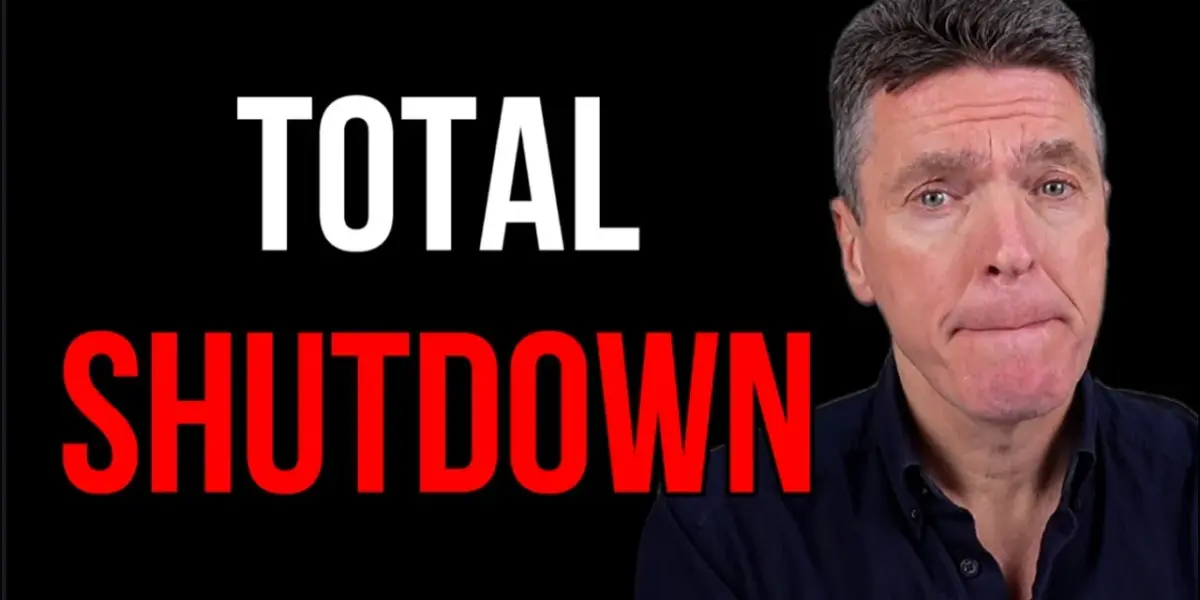
Oil Surges Past $100 on Iran Blockade Fears
Global oil prices have climbed sharply, with Brent crude topping $100 per barrel for the first time since mid-2022. This surge is driven by fears of supply disruptions following news that the United States plans to implement a blockade of the Strait of Hormuz, a critical global shipping lane.
US Targets Iranian Oil Exports
The U.S. strategy, announced via Truth Social by former President Donald Trump, aims to cut off Iran’s primary source of income by halting its oil and gas exports. The blockade is set to begin on Monday, April 13th. This move is intended as a form of economic pressure, designed to force Iran back to the negotiating table or compel its surrender.
Strait of Hormuz: A Vital Choke Point
The Strait of Hormuz is a narrow waterway where about 20% of the world’s oil supply passes daily. A blockade here does not just affect Iran; it impacts the entire global energy system. This is why markets have reacted so strongly, with prices rising not due to increased global demand, but due to the fear of supply shortages and potential conflict escalation.
Market Reaction and Economic Impact
The immediate market response has been a jump in oil prices. This rise is significant because it is driven by anxiety, not by a strong global economy. This situation differs from past price increases, such as those following the invasion of Ukraine, where supply shocks also caused prices to spike. The current price levels are among the highest seen in the last decade, excluding the brief Ukraine-related peak.
Normally, oil prices act as a gauge for the global economy. High prices usually signal strong demand from a growing economy. However, rising prices now signal constrained supply. This combination of higher costs without economic growth can slow down economies worldwide. Businesses relying on transportation, manufacturing, logistics, and energy will face higher operational costs. These increased expenses are likely to be passed on to consumers, leading to higher inflation, more expensive fuel, and increased food prices, ultimately reducing consumers’ spending power.
Geopolitical Risks Escalate
The geopolitical implications are also deeply concerning. Iran has warned that it will target other Gulf state ports if the U.S. proceeds with the blockade. Threats have also been made against U.S. naval vessels involved in enforcing the blockade. An Iranian attack on ships or military assets could lead to direct military confrontation. This could escalate into strikes on Iranian infrastructure and potentially draw other nations into the conflict, creating a cycle of retaliation that is difficult to control.
International Allies Divided
Adding to the complexity, not all international allies support the U.S. strategy. The United Kingdom, for instance, has stated it will not back a blockade of the Strait of Hormuz. This lack of unified support makes enforcement more challenging and increases the risk of a fragmented response. This situation also comes as former President Trump has expressed doubts about the U.S. continuing its NATO membership due to perceived lack of support from some member nations.
Global Economic Outlook Darkens
The global economic outlook, already fragile with slowing growth and elevated inflation in 2026, now faces further complications. Rising oil prices directly fuel inflation. If inflation accelerates again, central banks might be forced to maintain high interest rates for longer. This would put additional pressure on consumers and businesses, potentially leading to a renewed economic slowdown instead of recovery.
Beyond price impacts, physical damage to infrastructure in the Middle East, disrupted supply chains, altered shipping routes, and soaring insurance costs for vessels in the region all add friction to the global economy. These factors reduce efficiency and increase overall costs.
A Critical Inflection Point
The current situation represents a critical inflection point. Decisions made in the coming days and weeks will significantly shape the outcome. De-escalation, renewed negotiations, and a potential easing of pressure could lead to stabilizing oil prices and market recovery. However, further escalation, aggressive blockade enforcement, attacks, and retaliation could result in a more severe crisis with lasting negative consequences for the global economy through 2026 and beyond.
Arguments for the Strategy
Supporters of this strategy argue that applying maximum economic pressure is the quickest way to force a resolution. By cutting off Iran’s revenue, they believe it limits Iran’s ability to fund military activities and prolong conflicts, potentially leading to a faster end. However, the significant risk is that this pressure could trigger escalation rather than compliance, as history shows that economic sanctions don’t always lead to desired outcomes.
Summary of Developments
In summary, the past 24 hours have seen a major escalation: the announcement of a U.S.-led blockade targeting Iranian exports, a sharp rise in oil prices above $100 per barrel, increased financial market volatility, and a heightened risk of military confrontation. Economically, this translates to higher costs, increased inflation, slower growth, and greater uncertainty – a dangerous combination for the global economy.
Source: Total Shutdown (YouTube)

Related Articles
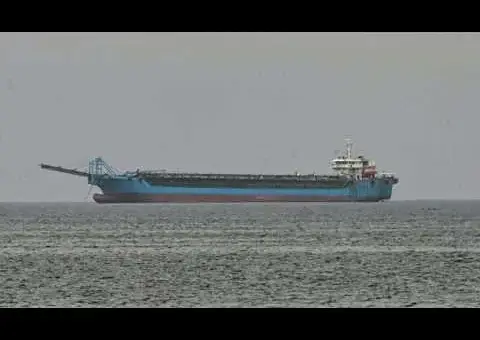
Iran’s Strait of Hormuz Blockade: A Risky Gamble for Oil Power
Iran's control over the Strait of Hormuz has been its primary bargaining tool in international negotiations. Recent actions by the US to blockade the strait signal an escalation, moving away from potential peace deals towards a standoff. The situation highlights global energy security concerns and Iran's assertive tactics.
Iran Vows “Anything” To Avoid Gaza-Like State Amid Tensions
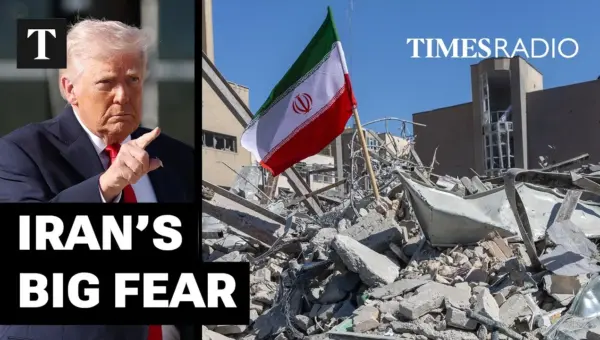
Iran is determined to avoid a Gaza-like situation amid escalating tensions with the US. A new US blockade of Iranian ports is seen as an act of war, raising fears of wider conflict. Deep distrust and stalled peace talks highlight the fragile state of regional security.
U.S. Tightens Grip on Hormuz Strait
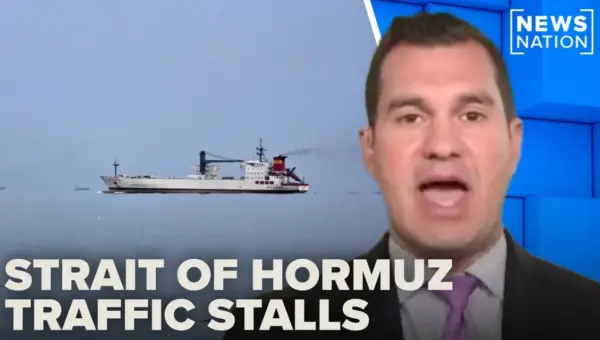
Tensions escalate in the Strait of Hormuz as the U.S. threatens to blockade Iranian ports, causing oil prices to surge. Following failed peace talks, Iran vows retaliation against any perceived violations, setting the stage for a significant geopolitical standoff.