Oil Spike May Boost Domestic Travel, Ease Inflation Later
Rising global oil prices are creating a complex economic outlook for the U.S. While inflation is a concern, higher energy costs may boost domestic travel as international trips become too expensive. The Federal Reserve faces policy challenges amid differing global central bank actions.

Global Energy Shocks Ripple Through U.S. Economy
Rising global energy prices, fueled by geopolitical tensions, are creating a complex economic picture for the United States. While a recent surge in crude oil prices has raised inflation concerns, some analysts suggest the impact might be less severe domestically than initially feared, potentially even benefiting certain sectors.
Inflation Outlook Remains Uncertain
Wall Street is divided on the future of inflation. Morgan Stanley, for instance, believes that while the final stretch of declining inflation could be challenging, the overall trend is downward. However, current data, though showing some uptick, remains below the Federal Reserve’s preferred measures. Some economists predict inflation could top 4% this year, largely driven by energy costs.
The damage to energy infrastructure in regions like the Persian Gulf could cause energy prices to remain elevated for some time. This sustained increase, even if gasoline prices stabilize at current levels for a few months, could push up other costs, such as fertilizers, which are essential for food production. These rising input costs have a ripple effect, potentially increasing prices for a wide range of goods.
Domestic Travel Gains as International Trips Become Costly
Despite higher gasoline prices impacting consumer spending in the short term, the U.S. economy is generally on solid footing this year. Strong performance has been noted in both the service and manufacturing sectors, with year-to-date data showing the best results since 2022. However, gasoline is a significant part of a consumer’s budget, and its rising cost often leads to cutbacks in discretionary spending, particularly in the second quarter.
The situation takes an interesting turn when considering international travel. Energy prices overseas are considerably higher than in the U.S. For example, natural gas prices on international exchanges can be ten times higher than domestic prices. This disparity is already leading to cancellations of international trips as prices become prohibitive.
“Even if you fly Delta or London, they have to refuel to get the plane home and that means we will see substitute domestic travel, for spending domestically them overseas because jet fuel prices are lower here.”
As international travel becomes more expensive, consumers are likely to shift their spending towards domestic destinations. This trend could provide a significant boost to the U.S. tourism and travel industries. The U.S. being a major oil producer also means that while consumers might pay more at the pump, the nation benefits from increased income generated from oil exports.
Federal Reserve Policy and Global Central Banks
The Federal Reserve faces a delicate balancing act. While acknowledging potential spikes in oil prices, policymakers may choose to look past them, especially if these price increases are temporary. By the time the effects of higher interest rates fully kick in, the energy price surge might have subsided. The market currently prices in a low probability, around 25%, of another rate hike this year, suggesting a general expectation that rates will remain on hold.
However, other central banks globally are tightening their monetary policies more aggressively. The Bank of England and the European Central Bank, for instance, have implemented or are expected to implement multiple rate hikes. Such tightening in economies that are already experiencing slower growth could eventually lead to a disinflationary impulse in the U.S. This happens as a global slowdown frees up goods and services, potentially lowering prices domestically after the initial energy-driven inflation subsides.
Labor Market Dynamics
There is also discussion about the labor market. While some suggest that zero job growth might be acceptable, others argue that it’s insufficient given population growth and the need for new workers entering the workforce. The difficulty some are facing in finding high-paying internships, even in major cities, hints at potential shifts in job availability and demand.
Market Impact
The current energy price shock presents a mixed bag for the U.S. economy. Higher oil prices could directly impact inflation and consumer spending in the short term. However, the U.S.’s position as a major energy producer and exporter could mitigate some of these negative effects. Furthermore, the increased cost of international travel may redirect consumer spending towards domestic tourism, offering a silver lining for that sector.
What Investors Should Know
Investors should monitor the interplay between energy prices, consumer spending, and central bank policies. While inflation driven by energy costs is a concern, the potential for a shift towards domestic travel spending could benefit specific industries. The differing approaches of central banks globally might also influence inflation trends later in the year and into next. The labor market’s health remains a key indicator, with continued growth likely preferred over stagnation.
Source: How rising global energy prices could hit domestic travel (YouTube)

Related Articles


Trump’s Wealth vs. Biden’s Economy: A Stark Contrast?
A debate contrasts Donald Trump's reported crypto earnings with concerns over Biden's economy, including rising inflation and gas prices. The discussion critically examines proposed fiscal policies and their impact on national debt and social programs.


Oil Shocks Threaten U.S. Economy, Recession Fears Grow
Growing fears of a U.S. recession are fueled by oil price spikes linked to the conflict in Iran. While higher oil costs hurt consumers and can increase inflation, the U.S. also benefits as an oil exporter. The Federal Reserve is watching closely, aiming to avoid policy missteps.

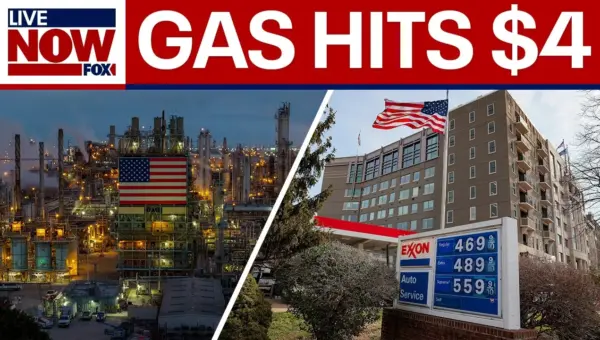
Gas Prices Top $4 Nationally Amid Mideast Conflict
National gas prices have surged past the $4 per gallon mark for the first time since August 2022, driven by escalating conflict in the Middle East. Oil analysts warn that prices could climb higher and remain elevated for months due to supply chain disruptions. The crisis also threatens to increase diesel and food prices.