Oil Shocks Fuel Recession Fears, Markets Wobble
Soaring oil prices are rattling global markets, pushing major indices toward correction territory and sparking fears of a recession. Experts warn that prolonged energy shocks, particularly concerning the Strait of Hormuz, could severely impact economic growth. Investors are advised to maintain diversified portfolios and cash buffers.

Oil Shocks Fuel Recession Fears, Markets Wobble
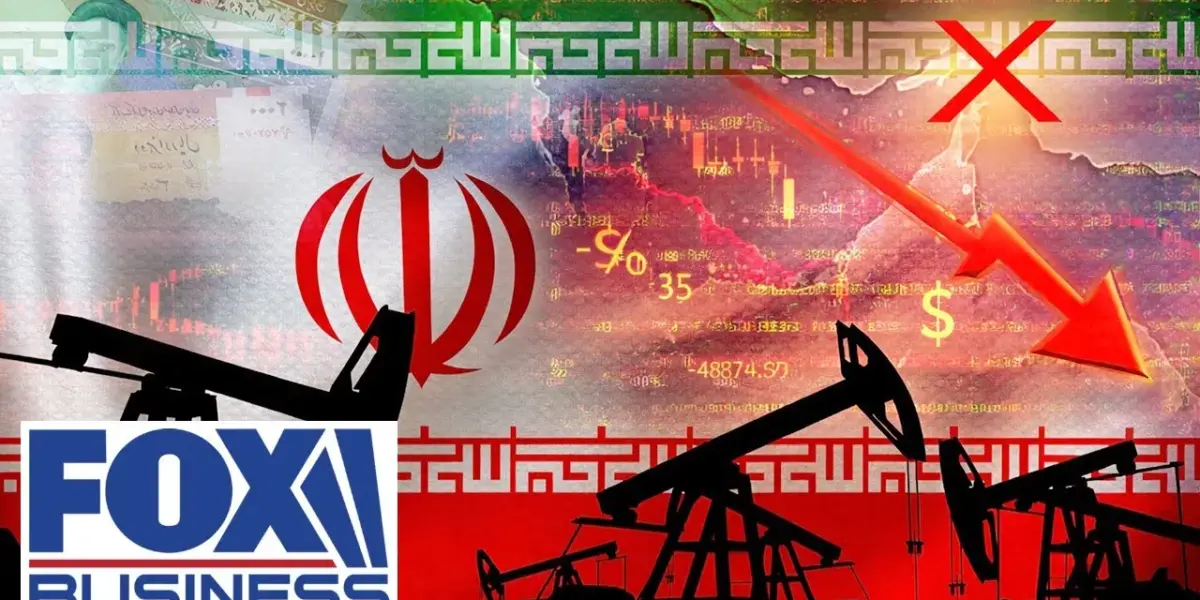
Wall Street is navigating a turbulent period, with major stock indices recently sliding into correction territory, down 7% to 8%. This downturn comes as oil prices have surged dramatically. Since February 28th, oil prices have climbed over 50%. Brent crude is trading above $115 a barrel, up 2.5%, while WTI crude is near $104, up 1.3%. This sharp rise in energy costs is raising concerns about a potential economic slowdown.
Recession Risks on the Horizon?
The current situation echoes historical patterns where energy price spikes have often been linked to economic downturns. Tyler Goodspeed, Chief Economist at ExxonMobil and former White House Council of Economic Advisers Chairman, notes that it typically takes multiple factors to push a large economy into recession. He likens it to the plot of Agatha Christie’s “Murder on the Orient Express,” where several “accomplices” contribute to the end of an economic expansion.
Goodspeed’s research into four centuries of economic history, covering 132 recessions, suggests that outright contractions involving widespread job losses are not easily triggered. However, he acknowledges that energy price shocks can be significant disruptors. These shocks often impact specific sectors that are closely tied to the broader economy, making it difficult for consumers and businesses to find quick alternatives.
The Strait of Hormuz: A Critical Choke Point
A key concern is the potential closure of the Strait of Hormuz, a vital shipping lane for oil. President Trump has indicated a willingness to resolve the conflict in Iran, even if the strait remains closed. However, the administration is seeking help from allies to reopen these crucial shipping lanes, which are central to the current energy market issues.
Dan Yergin, from S&P Global Platts, highlighted the importance of the Gulf region to the global economy. He pointed out that the area is a major supplier of fertilizers, refined products, jet fuel, and diesel. The price of jet fuel in Asia, for example, has more than doubled. Yergin stated that while short-term disruptions of a week or two might be manageable, prolonged issues lasting weeks or months would pose a significant problem for the world economy. He stressed that resolving Iran’s control over the Strait of Hormuz is critical, as it currently allows Iran to “wage war on the world economy.”
Inflation and Central Bank Responses
The rising energy prices inevitably raise questions about inflation. While the immediate impact on inflation expectations is a concern, Federal Reserve Chair Jay Powell recently suggested that these expectations remain “well anchored.” He indicated that this current situation does not necessitate immediate interest rate hikes. This contrasts with signals from other central banks, like the Bank of England, which have adopted different approaches.
Goodspeed expressed hesitancy to predict further rate cuts from the Fed, given recent remarks. He pointed out a crucial lesson from past energy price shocks: central banks can inadvertently amplify economic slowdowns. When central banks respond to the inflationary pressures caused by energy shocks, their actions can intensify the contractionary forces already at play in the economy.
What Investors Should Know
Goodspeed offers a historical perspective on economic fluctuations, likening them to the opening line of Leo Tolstoy’s “Anna Karenina”: “Every unhappy family is unhappy in its own way.” He suggests that while economic expansions tend to be similar, often representing recoveries from prior shocks, recessions are unique in their failures. The core lesson from history, he advises, is to maintain a well-diversified investment portfolio that matches your age and risk tolerance. It’s also wise to keep some liquid cash readily available as a buffer.
He also emphasizes that governments often struggle to end recessions. The duration and depth of recessions have remained remarkably consistent over centuries, with most lasting around 12 months and the vast majority concluding within two years. While recessions tend to resolve themselves over time, bad policy decisions can significantly worsen them. This was evident during the Great Depression and in other periods of U.S. economic history where policy mistakes exacerbated existing downturns.
In essence, while the current surge in oil prices and geopolitical tensions are creating uncertainty and fueling recession fears, historical data suggests that a diversified approach and careful management of policy can help mitigate the impact. Investors are reminded that economic downturns are complex and often influenced by multiple factors, underscoring the importance of a balanced investment strategy.
Source: 'ENERGY SHOCKS': Recession fears EXPLODE as oil disruption ROCKS Wall Street (YouTube)

Related Articles


US Strikes Iran’s Secret Sites, Threatening Strait of Hormuz Control
The United States has launched significant strikes against secret Iranian facilities, utilizing advanced bombers and electronic warfare aircraft. Despite these attacks, Iran continues its aggression, and concerns are rising over control of the vital Strait of Hormuz, a crucial waterway for global oil transport.

Trump’s World Order Collapse Sparks Global Chaos
Donald Trump's foreign policy decisions have shattered the post-WWII global security framework, leading to international distrust and economic instability. Allies question U.S. reliability as conflicts escalate and trade disputes arise, impacting global markets and national security.

US Threatens Iran’s Infrastructure, Faces Diplomatic Backlash
U.S. President Trump has escalated rhetoric against Iran, threatening to destroy civilian infrastructure if a deal isn't reached, while Iran denies direct talks and calls proposals "unrealistic." Meanwhile, the Artemis II mission prepares for a historic lunar orbit, marking a new era of space exploration.