Oil Prices Tumble Amid Geopolitical Tensions and Shifting Alliances
Escalating tensions with Iran and strategic maneuvers around the Strait of Hormuz are creating significant volatility in global oil markets. Despite efforts to secure shipping lanes, uncertainty over supply and allied cooperation is driving price fluctuations, impacting both energy and equity markets.

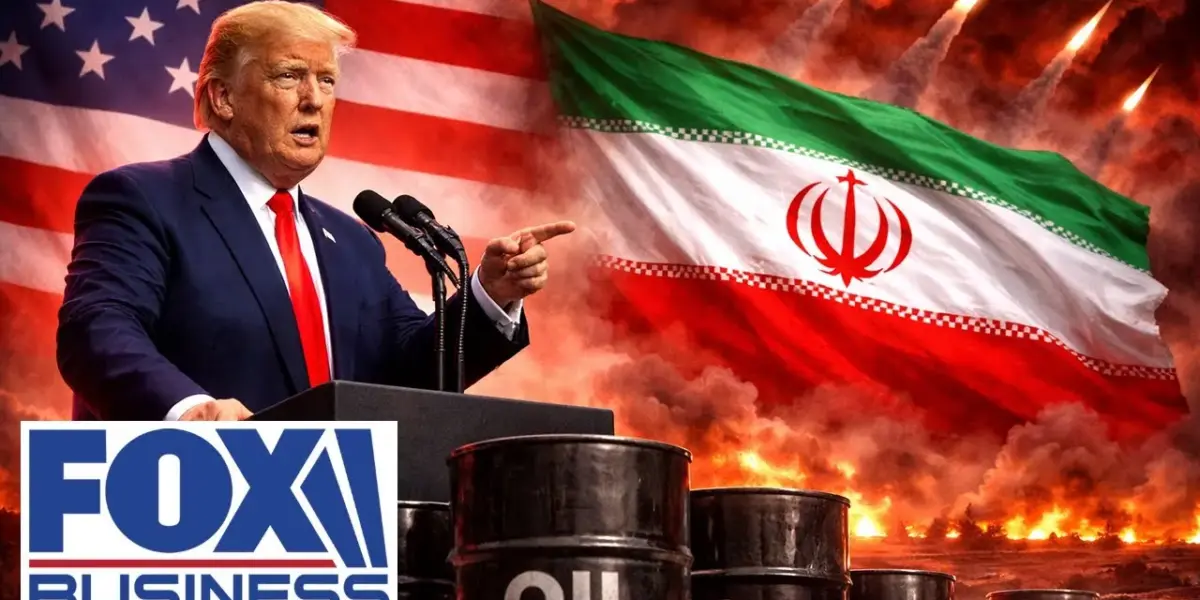
Oil Prices Fluctuate Amidst Escalating Iran Tensions and Strategic Maneuvers
Global energy markets are experiencing significant volatility, driven by heightened tensions with Iran and a complex web of international responses. President Trump’s hardline stance toward Iran has injected uncertainty into oil prices, leading to sharp downward movements despite underlying supply concerns. The situation is further complicated by the strategic importance of the Strait of Hormuz, a critical chokepoint for global oil transport.
Strait of Hormuz: A Critical Chokepoint Under Pressure
The Strait of Hormuz, through which a substantial portion of the world’s oil passes, has become a focal point of geopolitical risk. Reports from The Wall Street Journal indicate that multiple countries, including the U.S., have agreed to escort ships through this vital waterway. This coordinated effort aims to ensure the free flow of energy and mitigate the impact of potential disruptions originating from Iran.
Despite these efforts, oil prices have seen significant downside volatility, with benchmarks trading around the $95 mark at certain points. Analysts suggest that this price action is a direct response to the uncertainty surrounding the reopening of the Strait and the consistent flow of energy. The release of strategic oil reserves and rerouting through pipelines, such as those utilized by Saudi Arabia, are viewed as temporary pain management rather than long-term solutions to the growing supply gap caused by potential disruptions in the Strait.
International Response and Allied Cooperation
The international community’s response to the escalating tensions has been a key topic of discussion. While the U.S. is pushing for a united front to secure shipping lanes, there are questions about the speed and commitment of some allies. The transcript highlights a perceived slowness from nations like the UK, known for its mine-sweeping capabilities, to actively participate in escort missions. This has led to frustration, with some suggesting that President Trump is compelling allies to act in their own self-interest, particularly concerning defense spending and energy security.
“It is making sure that all of their military offense if power is extinguished. You do not want to start and then they are successful with the drone attack or an underwater mind and then all of a sudden we go back to zero.”
Intelligence reports suggest that the U.S. and Israel have made strides in degrading Iran’s capabilities, potentially limiting its capacity for major attacks. However, the persistent threat of smaller-scale disruptions, such as drone attacks or naval mines, continues to cast a shadow over the region’s stability.
China’s Role and Global Energy Needs
The role of China in this complex geopolitical landscape is also under scrutiny. With a significant portion of its oil imports (approximately 38%) dependent on the region, China has a vested interest in maintaining stability in the Strait of Hormuz. The discussion raises the question of whether China should be involved in defending these shipping lanes, given its substantial energy requirements. While some advocate for a united front involving all major energy consumers, others express caution about the implications of involving China directly in regional security operations.
Market Sentiment and Economic Indicators
Equity markets have shown resilience, with some analysts interpreting the current dips as signs of market confidence and a desperation to move higher. Valuation metrics suggest that equities might be considered cheap relative to expectations. Underlying economic data, however, paints a mixed picture. While manufacturing and services indices have shown some softening, with prices paid falling to their lowest levels since January 2025, consumer spending has seen a modest rise. High-tech industries, including communications and electrical equipment, have demonstrated robust growth, potentially offering a buffer against broader market volatility.
The transcript also touches upon the impact of supply shocks on industrial markets and the potential for companies to leverage accelerated depreciation policies. However, the fundamental issue of price and supply shocks remains a significant challenge that cannot be entirely insulated against.
Industry Perspectives and Future Outlook
Executives from major U.S. oil companies have reportedly warned the Trump administration that the situation is likely to worsen, despite the U.S. being a leading oil producer. They acknowledge the benefits of higher prices but express concern over the escalating geopolitical risks. The implementation of escort missions through the Strait of Hormuz is a complex and time-consuming process, requiring weeks to become fully operational.
Looking ahead, the narrative suggests a market that is waiting for a catalyst to drive prices higher. The underlying demand for oil, coupled with the potential for supply disruptions, creates a bullish backdrop. However, the geopolitical uncertainty, particularly concerning Iran, continues to be the primary driver of short-term price action. The administration’s strategy appears to be focused on de-escalating tensions while ensuring energy security, with an expectation that the market will eventually stabilize as the situation evolves.
Market Impact
The current geopolitical climate surrounding Iran and the Strait of Hormuz has a direct and significant impact on global oil prices. Any perceived escalation of conflict or disruption to shipping lanes can lead to sharp price increases. Conversely, diplomatic breakthroughs or successful implementation of security measures can cause prices to fall, as seen recently. Investors are closely monitoring developments for potential shifts in supply and demand dynamics. The volatility also affects broader market sentiment, with energy sector stocks and related industries being particularly sensitive to these events. The potential for sustained higher oil prices could also fuel inflationary pressures across various sectors of the economy.
What Investors Should Know
- Geopolitical Risk Premium: Investors should be aware that oil prices are currently influenced by a significant geopolitical risk premium. Any reduction in tensions could lead to a decrease in this premium and a subsequent drop in prices.
- Supply Chain Vulnerabilities: The reliance on the Strait of Hormuz highlights the vulnerability of global energy supply chains. Diversification of energy sources and alternative shipping routes are long-term considerations.
- Allied Cooperation: The effectiveness of international efforts to secure shipping lanes depends on the coordinated action of allies. Hesitation or disagreement among key nations can prolong uncertainty and volatility.
- Economic Interdependence: Major energy consumers like China have a critical stake in regional stability. Their actions and responses can influence the geopolitical landscape and energy markets.
- Industry Profitability: Higher oil prices generally benefit oil producers, but sustained high prices without corresponding production increases can signal underlying supply constraints or unsustainable market conditions. The breakeven cost for new wells is a key indicator of future production capacity.
Source: OIL MARKETS SPIRALING: Trump signals hardline stance, Iran tensions rise (YouTube)

Related Articles

Ukraine Strikes Russian Oil Refinery, Eyes Iran Threat
Ukrainian forces struck a key Russian oil refinery, disrupting Moscow's war capabilities. Meanwhile, Finland's president urged continued U.S. support for Ukraine, as Kyiv shares its air defense expertise globally amid growing geopolitical complexities involving Iran and potential sanctions against Hungary.

Trump Halts Iran Strikes Amid Stalled Diplomacy
President Trump announced a pause on planned strikes against Iran, citing productive talks, though Iran denies negotiations occurred. Reports also suggest a potential U.S. ground operation on Iran's Hark Island. The situation raises concerns about international support for Ukraine and potential shifts in U.S. foreign policy.

Iran’s Missile Threat Reduced by 90%, Analyst Says
An analyst reports that Operation Epic Fury has degraded Iran's missile launchers by 90%, despite challenges in targeting hidden sites. The conflict's duration and media coverage are also discussed, with implications for global energy markets and investor confidence.