Oil Prices to Drop as Conflict Ends, Ex-Chief Says
Global oil prices are expected to drop significantly once current conflicts end, according to a former energy chief. He stated that the U.S. Navy can secure the Strait of Hormuz alone. The report also raised concerns about China's growing influence in Cuba.

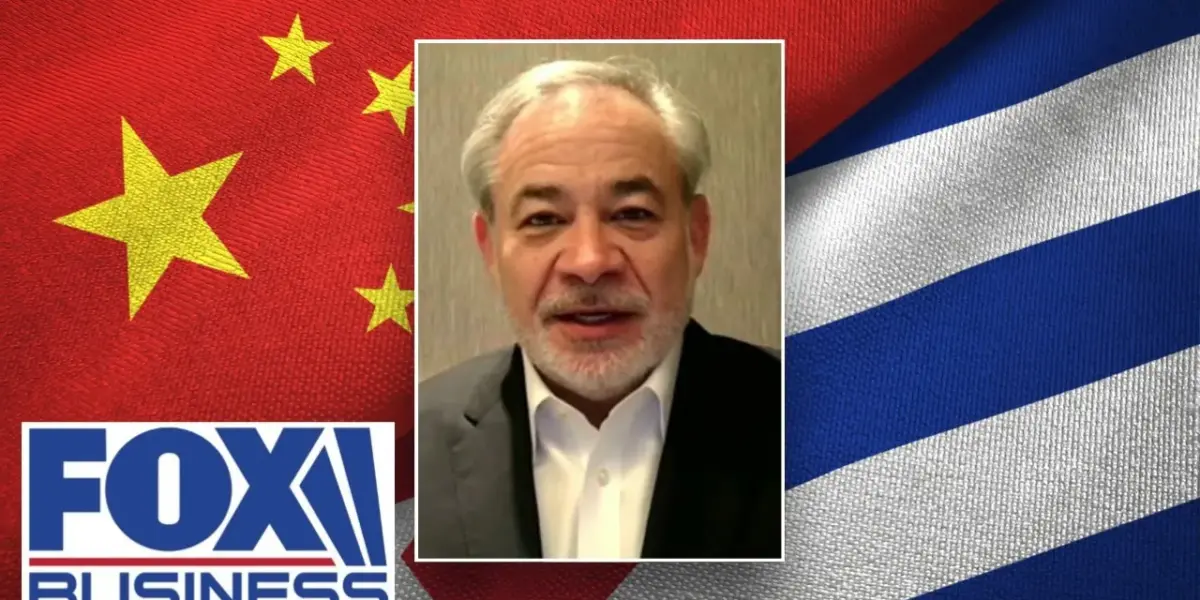
Global Oil Prices Poised for Decline Following Conflict Resolution
Global oil prices are expected to fall significantly once current conflicts subside, according to a former energy chief. While traders are currently factoring in a “risk premium” into prices, the underlying supply of oil remains robust. Global production stands near 105 to 106 million barrels per day, while demand is around 104 million barrels per day. The current price hikes are attributed more to logistical challenges and market sentiment than a genuine shortage.
“As soon as the conflict is over, these prices are going to come down very, very fast,” stated the former energy official. This suggests that the elevated prices American consumers are currently experiencing, which saw national averages over $5 per gallon in June 2022, are likely temporary.
Strait of Hormuz Security and NATO’s Role
The discussion also touched upon the security of the Strait of Hormuz, a crucial waterway for global oil transport. Approximately 90 ships have passed through the straits since the current conflict began. While the United States Navy possesses the strength to secure the strait, the former chief acknowledged that it would be a dangerous and time-consuming undertaking.
The question of NATO assistance was raised, with the official noting that while NATO’s purpose is mutual support, the alliance has chosen not to directly assist in securing the strait. He affirmed that the U.S. Navy is capable of handling the task alone, though the President would welcome international help.
China’s Growing Influence in Cuba
A concerning development highlighted is China’s increasing involvement in Cuba. With Cuba struggling with island-wide blackouts and an obsolete power grid, China is reportedly providing solar panels. The former energy chief described this situation as a “very dangerous proposition,” warning against China establishing a “satellite state” close to the United States.
Cuba is characterized as a “failed state,” with its current struggles predicted to continue. The official suggested that U.S. energy producers should be considered to help revive Cuba’s power infrastructure, rather than allowing China to dominate the energy sector on America’s doorstep.
Debate Over Energy Policies and Price Impact
The conversation also addressed the political debate surrounding energy prices. While some lawmakers blame former President Trump and Republican policies for increased energy costs, the former official countered that climate-driven policies, such as the cancellation of the Keystone pipeline and the reinstatement of the Obama Clean Power Plan on day one of the Biden administration, have historically driven prices upward.
He argued that these policies, rather than contributing to lower energy costs, have led to price spikes. The notion that green, clean energy can immediately offset spikes in oil prices was met with skepticism, referencing past experiences where such policies coincided with rising gasoline costs.
Domestic Energy Production and Infrastructure
Looking domestically, the former chief pointed to the President’s efforts in developing infrastructure to boost domestic oil production. He drew an analogy between the Strait of Hormuz and the state of New York, suggesting that the ability to build pipelines across states is crucial for getting energy to market efficiently. This highlights the importance of domestic energy infrastructure in stabilizing prices and ensuring energy security.
Market Impact
Investors should monitor geopolitical developments closely, as they are currently the primary driver of oil price volatility. The expectation of falling prices post-conflict suggests that current high prices may be a short-term phenomenon. However, the ongoing strategic competition with China, particularly its growing influence in regions like Cuba, presents a longer-term consideration for global energy markets and U.S. foreign policy.
What Investors Should Know
The key takeaway for investors is that while immediate oil prices are influenced by conflict premiums, the fundamental supply-demand balance remains strong. This suggests a potential for prices to revert to lower levels once geopolitical tensions ease. Furthermore, the discussion underscores the importance of domestic energy policy and infrastructure development in the United States for ensuring stable energy costs. The growing role of China in global energy infrastructure, as seen in Cuba, warrants attention as a potential factor in future market dynamics.
Source: 'VERY DANGEROUS PROPOSITION': Former energy chief sounds alarm over China-Cuba report (YouTube)

Related Articles

G7 Allies Clash Over Iran War Strategy, Urge Focus on Russia
G7 foreign ministers met in Paris, revealing deep divisions over the U.S. war with Iran. European allies urged the U.S. to pressure Russia, linking its actions to the conflict and fearing support for Ukraine will wane.


US Must Block China’s Tech Access for Security
US national security experts are raising alarms about China's access to advanced AI chips, arguing it threatens strategic advantages. This, coupled with charges against Chinese entities for fentanyl precursor sales and a ban on foreign routers, signals a growing effort to prioritize security over business ties.

Iran Blocks China Ships, Exposing Beijing’s Weak Grip
Iran's recent decision to block Chinese ships at the Strait of Hormuz is exposing the limits of Beijing's influence in the Middle East. This action is causing delays and cancellations for Chinese manufacturers, turning a perceived geopolitical win into an economic strain.