Oil Prices Surge Past $110 Amid Strait Crisis
Crude oil prices surged over 10% to $110.81 per barrel amid rising tensions in the Strait of Hormuz. The situation highlights global energy supply risks and the critical role of U.S. production.

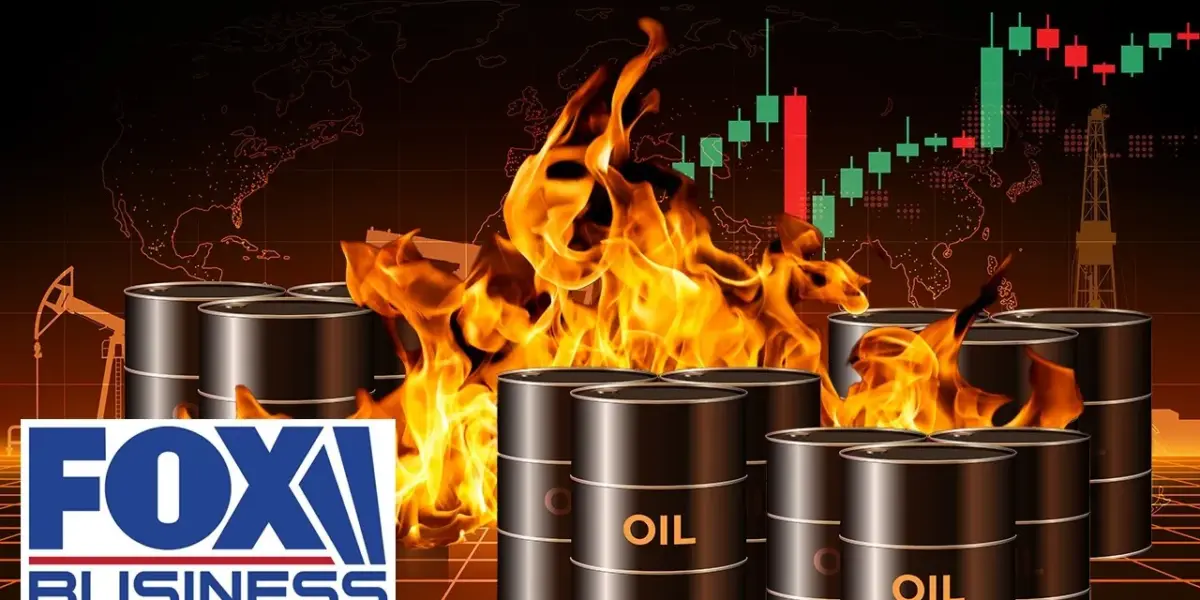
Oil Prices Surge Past $110 Amid Strait Crisis
Crude oil prices have seen a significant jump, with Brent crude climbing over 10% to reach $110.81 per barrel. This surge is directly linked to rising tensions in the Strait of Hormuz, a critical waterway for global oil transportation. The situation has put global energy markets on edge, fearing supply disruptions.
President Trump addressed the nation regarding the escalating crisis, urging allies to increase their reliance on U.S. energy supplies. He highlighted America’s position as the world’s leading producer of oil and gas, surpassing Saudi Arabia and Russia combined. This increased U.S. production, he argued, is a key factor in global energy security.
U.S. Energy Dominance and Global Security
Harold Hamm, Chairman of Continental Resources, echoed the President’s remarks, emphasizing that the United States is the most secure oil market globally. He pointed out the significant risk for countries heavily dependent on oil shipments through the Strait of Hormuz, with some relying on it for as much as 92% of their supply. Hamm described this dependence as a poor business plan that has now led to a critical situation.
Hamm noted that the U.S. has moved from an era of oil scarcity to one of abundance. This energy renaissance, he explained, has provided cheaper energy costs for people worldwide. However, the current logistical problems at the Strait of Hormuz threaten this progress.
Strait of Hormuz: A Critical Chokepoint
Tanker traffic in the Strait of Hormuz has reportedly come to a standstill. This blockage is keeping supply fears at the forefront of global energy markets. The question remains about how to address this situation and prevent Iran from controlling this vital waterway and holding the global economy hostage.
Hamm characterized Iran’s actions as another act of aggression. He reminded viewers that Iran has a long history of supporting terrorism and has been responsible for the deaths of many Americans over the years. He stressed that Iran has no legitimate claim to control the Strait of Hormuz, which is an international waterway.
Call for Allied Action
The situation in the Strait of Hormuz is seen as a geopolitical risk that cannot be ignored. Hamm suggested that this is a moment for NATO and other allies to step up. He pointed out that just recently, physical barrels of oil were trading at a $100 premium over paper costs, with some sales reaching as high as $200 per barrel. Such price volatility is a shock that needs to be protected against.
While the U.S. is energy independent, Hamm stressed the need for international cooperation. He mentioned that the UAE and Saudi Arabia are offering assistance, and European nations, including the UK, need to play a more active role. He believes that collective action is necessary to regain and maintain control of the Strait.
Market Impact and Investor Outlook
The current crisis highlights the vulnerability of global energy markets to geopolitical instability. The dependence on a single chokepoint like the Strait of Hormuz creates significant risk for oil prices and supply chains.
Hamm expressed confidence that oil prices will eventually moderate. However, he cautioned against discussions of $40 or $50 oil, stating that such prices are not sustainable. The average cost of supply is much higher, and sustained investment is needed to meet the world’s daily demand of 108 million barrels.
Regarding China and other Asian markets, Hamm noted that they were actively buying oil when prices were lower, building up their reserves. He also mentioned the U.S. Strategic Petroleum Reserve (SPR), suggesting it should be refueled, especially after past reductions. He believes Congress needs to act to ensure America’s energy interests are protected.
What Investors Should Know
The events surrounding the Strait of Hormuz serve as a stark reminder of the geopolitical risks that can impact commodity prices. Investors should monitor developments in the region closely, as any further escalation could lead to continued volatility in oil markets.
The U.S. position as a major oil and gas producer offers a degree of stability, but global supply chains remain interconnected. The call for increased participation from allies like NATO underscores the need for a coordinated international response to ensure the free flow of energy.
While short-term price spikes are possible, the long-term outlook for oil prices will depend on global demand, investment in production, and the resolution of geopolitical tensions. The conversation around sustainable oil prices, above the cost of production, is crucial for ensuring future supply meets global needs.
Source: GLOBAL WARNING: Expert warns strait crisis could SLAM global economy into COMPLETE shock (YouTube)

Related Articles
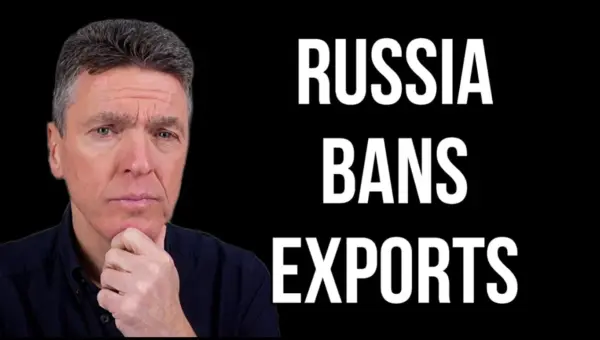
Russia Bans Gas Exports Amid Refining Woes
Russia has banned gasoline exports, a move driven by Ukrainian drone attacks on its refineries and logistical issues. This forces Russia to prioritize domestic supply, preventing it from fully capitalizing on high global oil prices and impacting its revenue.
Trump’s Iran Strategy Risks Global Instability
Former Ambassador John Bolton criticizes President Trump's Iran strategy, citing contradictory statements and a lack of clear objectives. Bolton argues that without regime change, the U.S. faces a cycle of conflict, potentially leading to a major strategic defeat and empowering rivals like China and Russia.

Trump Escalates Iran Conflict by Destroying Bridges
Donald Trump's actions, including the destruction of bridges in Iran and the targeting of mediators, have significantly escalated the conflict. This approach risks further violence and economic instability, drawing international condemnation and raising concerns about global peace.