Oil Prices Surge, Fueling Inflation Fears Amid Mideast Conflict
Escalating Middle East conflict and threats to the Strait of Hormuz are driving up oil prices, fueling inflation fears. Analysts warn of sustained higher costs for consumers and businesses, while geopolitical tensions strain global alliances. Investors are navigating a complex environment with significant economic headwinds.

Oil Prices Surge, Fueling Inflation Fears Amid Mideast Conflict
The global economy is facing renewed inflationary pressures as escalating conflict in the Middle East threatens vital oil supply routes. Recent events have sent crude oil prices climbing, with analysts warning that sustained high prices could soon translate into higher gasoline costs for consumers and broader economic disruption.
Conflict Escalates, Threatens Key Shipping Lane
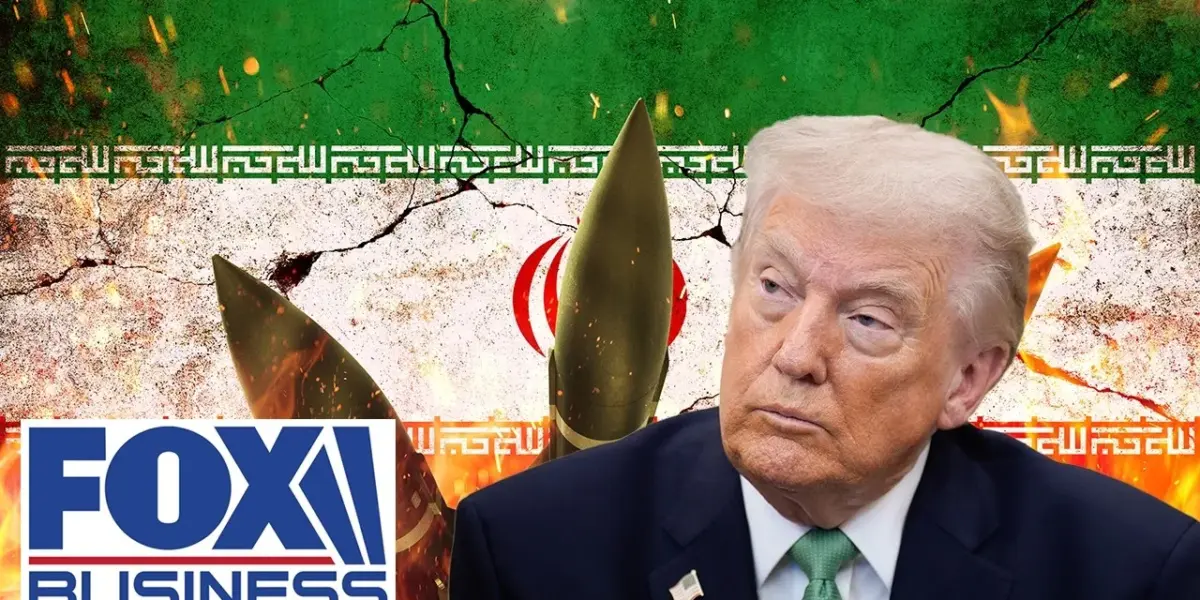
The ongoing military operations, referred to as “Operation Epic Fury,” have intensified in the Middle East. Iran’s military has reportedly been heavily targeted, and threats to the Strait of Hormuz, a critical chokepoint for global oil transport, have intensified. The narrowest part of the strait is only 2 miles wide, making it vulnerable to disruption. Analysts estimate the cost of maintaining military presence and monitoring this vital waterway could reach $4 billion per month.
This situation is particularly concerning for countries like China, which rely heavily on oil passing through the strait. Approximately 21% of the world’s oil passes through this route. The disruption poses a significant challenge for global trade and energy security.
Inflationary Headwinds Mount
The surge in oil prices is already showing signs of impacting inflation. While the immediate effect on core inflation has been limited due to large oil reserves still at sea, historical data suggests that sustained oil prices above $97 per barrel could lead to gasoline prices reaching $6-$7 per gallon within three months. Recent inflation reports have shown increases in the cost of food, alcohol, fuels, and healthcare, contributing to a year-over-year inflation rate of 3.8%.
Specifically, prices for fresh and dried vegetables have seen a significant jump of 49%. While some argue these might be isolated incidents, the overall trend is concerning. Experts predict that March inflation figures are likely to be worse than those seen recently. Every $10 increase in oil prices is estimated to push gasoline prices up by $0.25 for the following two months. This ripple effect will impact delivery services, fertilizer costs, and virtually every aspect of the global economy, creating a “slow stranglehold” until the Strait of Hormuz is reopened.
Geopolitical Tensions and NATO’s Role
Former President Donald Trump has expressed strong dissatisfaction with NATO’s perceived inaction in the face of the escalating conflict. He characterized the situation as a “cancer” that needs to be addressed. Trump stated, “I have long said I wonder whether or not NATO would ever be there for us. This was a great test. We do not need them but they should’ve been there.” He emphasized that while allies agree on the problem, they are unwilling to provide assistance, a sentiment the United States should remember.
Meanwhile, Germany, a key NATO member, has been vocal about its reluctance to become directly involved, with the chemical company BASF announcing significant price increases of up to 30% on its products in Europe due to the situation. This highlights the economic strain even on nations attempting to remain neutral.
Investor Sentiment and Market Outlook
Despite the challenging economic backdrop, some investors see opportunity in the current market confusion. Kevin O’Leary, a prominent investor, expressed confidence in Dubai as a long-term investment hub, particularly in the artificial intelligence sector. He believes that periods of confusion often present the best opportunities for hiring talent and building businesses.
However, the broader market sentiment is cautious. The energy sector, in particular, is under scrutiny. CEOs at recent energy conferences have suggested that oil prices may stabilize in the $70-$75 range, as this level is expected to incentivize further drilling. This implies that consumers should prepare for persistently higher energy costs, which will disproportionately affect companies with tight margins.
Retail Sector Struggles Amidst Economic Headwinds
The retail sector is also facing significant challenges. Companies like Lululemon have issued profit and revenue forecasts below analyst expectations, leading to internal restructuring and the search for new leadership. In contrast, Macy’s, under its new CEO, is showing signs of a potential turnaround, with the market anticipating a bottoming out of its performance.
Analysts note that the apparel industry is highly competitive and requires constant innovation to maintain consumer interest. The success of brands like Lululemon often depends on maintaining their “mojo,” and failure to adapt can lead to rapid declines in popularity. The broader economic climate, marked by rising energy and food costs, is expected to put further pressure on consumer discretionary spending, impacting retailers across the board.
Market Impact and What Investors Should Know
The escalating conflict in the Middle East and its impact on oil prices are the primary drivers of current market anxiety. Investors should monitor the situation closely, as sustained high oil prices will likely lead to higher inflation across various sectors. The potential disruption of the Strait of Hormuz remains a critical risk factor.
For consumers, the immediate future likely holds higher gasoline prices and increased costs for everyday goods. Businesses, especially those in transportation, manufacturing, and retail, will face rising operational costs. Investors may consider sectors that are less exposed to energy price volatility or those that can pass on increased costs to consumers. The geopolitical landscape remains fluid, and its resolution will significantly influence the economic outlook for the remainder of the year.
Source: 'IT IS A CANCER': Trump issues DARK warning as conflict deepens and spreads (YouTube)

Related Articles

G7 Allies Clash Over Iran War Strategy, Urge Focus on Russia
G7 foreign ministers met in Paris, revealing deep divisions over the U.S. war with Iran. European allies urged the U.S. to pressure Russia, linking its actions to the conflict and fearing support for Ukraine will wane.

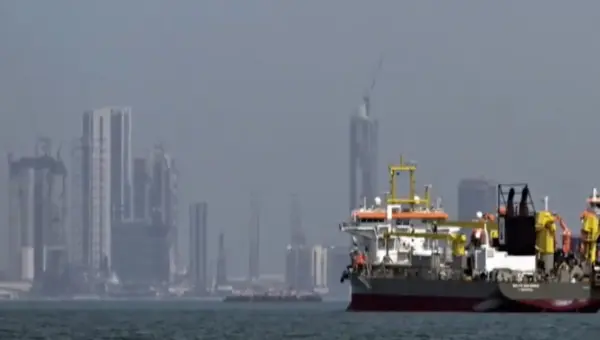
Iran Blocks China Ships, Exposing Beijing’s Weak Grip
Iran's recent decision to block Chinese ships at the Strait of Hormuz is exposing the limits of Beijing's influence in the Middle East. This action is causing delays and cancellations for Chinese manufacturers, turning a perceived geopolitical win into an economic strain.
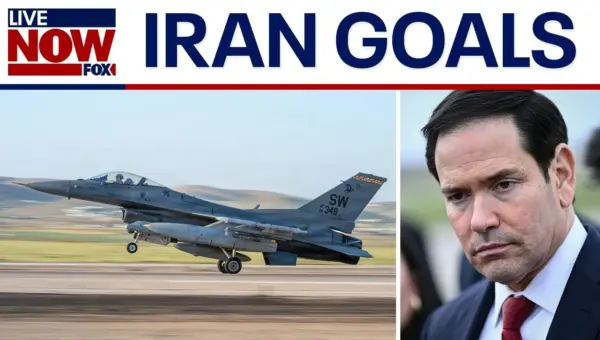
Rubio: US Can Achieve Iran War Goals Without Troops
Senator Marco Rubio outlined a strategy to counter Iran without deploying U.S. ground troops, focusing on weakening the regime and enhancing maritime security. He also criticized Cuba's economic system and expressed concerns about West Bank violence.