Oil Prices Surge: ‘Beer to Beef’ Costs Rise Amid Iran Tensions
Rising oil prices, fueled by geopolitical tensions with Iran, are driving up costs for consumers across the board. From gasoline to groceries, everyday essentials are becoming more expensive as supply chains grapple with higher fuel surcharges. This comes as wage growth slows, creating a financial squeeze for many American families.


Economy Faces New Pressures as Oil Prices Spike
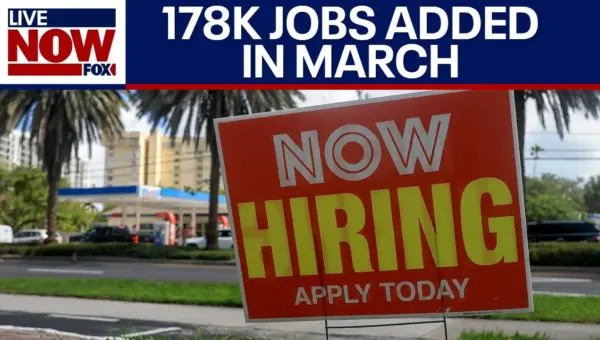
The U.S. economy is showing signs of strength with a rebound in hiring, adding 178,000 jobs last month and seeing the unemployment rate fall to 4.3%. However, this positive news is overshadowed by rising economic pressures, primarily driven by surging oil prices. These higher fuel costs, linked to ongoing tensions with Iran, are beginning to impact the prices of everyday goods, from gasoline to groceries.
Gasoline Prices Hit Record Highs
The cost of gasoline has surged, reaching an average of $4.09 per gallon. This increase is a direct consequence of the rising crude oil prices, with West Texas Intermediate, a U.S. benchmark, climbing from $67 a barrel in late February to $111. The surge in oil prices is a significant concern for consumers and businesses alike.
Supply Chain Surcharges Add to Consumer Costs
The impact of higher fuel costs is rippling through supply chains. Amazon has announced it will add a fuel and logistics surcharge for third-party sellers, effective April 17th. Major shipping companies like UPS, FedEx, and the U.S. Postal Service are also implementing similar surcharges. Airlines are following suit, with increased baggage fees being introduced by carriers like United and JetBlue to offset rising operational expenses.
Broader Economic Impact: From Beer to Beef
Economists warn that the effects of the oil price surge will extend far beyond gasoline. The increased cost of transportation and logistics, including diesel fuel now over $5.50 per gallon, will likely lead to higher prices for a wide range of products. Agriculture is seen as the next sector to be significantly impacted, with fertilizer prices soaring. This means consumers can expect to see price increases for essential goods, with economists predicting that ‘everything from beer to beef’ will become more expensive in the coming months.
Wage Growth Slows Amid Rising Inflation
Adding to consumer concerns, wage growth has slowed considerably, showing the weakest increase since May 2021. This slowdown is occurring precisely as prices for essential goods are surging. For middle and moderate-income families, this means their wages are not keeping pace with the rising cost of living, creating a significant financial squeeze. Experts anticipate inflation could reach 4% again, largely due to the current economic pressures, further exacerbating this gap.
Labor Force Participation Declines
The jobs report also revealed a concerning trend in labor force participation. The share of working-age Americans in the labor force dropped to 61.9%, its lowest point since November 2021. This decline occurred even as the unemployment rate fell. Digging into the data shows that nearly 400,000 people, many of them young adults aged 20-24, have stopped looking for work. This suggests a growing discouragement within certain segments of the workforce, potentially due to difficulties in finding employment.
Housing Market Cools as Mortgage Rates Climb
The housing market, which had shown signs of recovery, is now facing headwinds. Average 30-year fixed-rate mortgage rates have risen to 6.46%, the highest since September. These rates had previously fallen below 6% before the recent geopolitical tensions began, leading to a surge in refinancing and new home sales applications. However, with rates climbing back up, the real estate market is expected to cool significantly, potentially impacting spring home sales and the broader economy.
Looking Ahead: Economic Uncertainty Lingers
While the economy has shown resilience in job creation, the escalating oil prices and their ripple effects present a significant challenge. Consumers are facing higher costs for essential goods and services, while wage growth lags behind inflation. The decline in labor force participation and the cooling housing market add further layers of uncertainty. All eyes will be on how these economic pressures evolve and whether policy measures can mitigate their impact on household budgets and overall economic stability.
Source: Trump’s Iran war is raising the prices of ‘everything from beer to beef’, economist says (YouTube)

Related Articles


Gold’s Price Dip Is Fleeting; It Remains a Top Investment
Gold prices recently dropped over 10%, but economist Christian Briggs explains this is temporary. He highlights gold's historical stability and its growing role as a global reserve asset, suggesting it's a strong long-term investment despite short-term volatility.


US Jet Downed in Iran; Rescue Mission Under Fire
A U.S. fighter jet was shot down by Iranian forces, sparking a dangerous search and rescue mission under fire. One airman was rescued, but another remains missing. Meanwhile, the economic impact of the conflict is being felt at home with rising prices and new surcharges on goods and services.
Jobs Surge in March, But Inflation Fears Loom Large
The U.S. economy added a robust 178,000 jobs in March, significantly exceeding expectations and signaling a strong rebound in hiring. However, this positive news is tempered by concerns over rising inflation and the economic impact of ongoing geopolitical conflicts, which could affect future job growth and consumer spending.