Oil Prices Surge as Iran Tensions Escalate
Rising tensions with Iran have sent oil prices soaring, causing global markets to slide. President Trump's call for European nations to lead in securing the Strait of Hormuz signals a shift in strategy, while economic data offers mixed signals amidst the growing uncertainty.

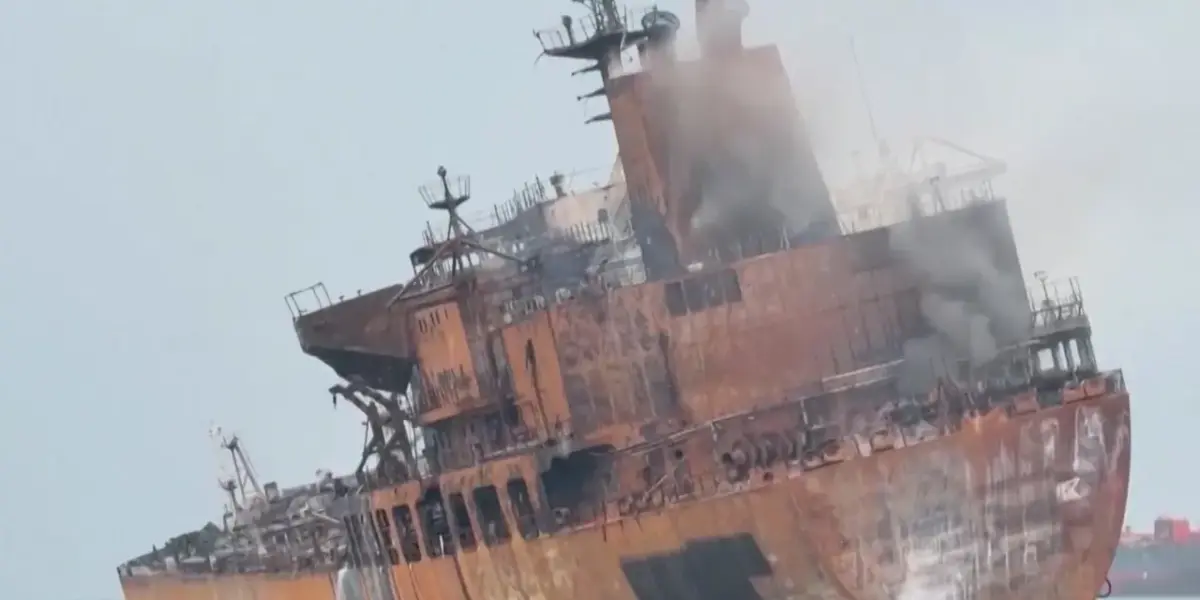
Global Markets Brace for Impact as Iran Tensions Flare
Global markets reacted sharply this week as rising tensions with Iran sent oil prices soaring. President Trump’s address on Wednesday night signaled a potential for intense military operations, causing immediate concern among investors. This uncertainty directly impacted stock markets, which saw declines following the speech, erasing earlier gains. The price of Brent crude oil, a key global benchmark, jumped significantly, climbing from around $100 per barrel just before the President spoke and continuing to rise throughout the morning.
European Nations Urged to Take the Lead
While direct military intervention by the United States appears to be off the table for now, President Trump called on countries that rely on oil passing through the Strait of Hormuz to take the lead in ensuring its openness. Thirty-five European countries are meeting to discuss ways to pressure Iran into reopening the vital waterway. This diplomatic push aims to find a collective solution, shifting the immediate burden of action away from direct U.S. military involvement.
Economic Ripples: Oil Prices and Consumer Costs
The immediate consequence of increased geopolitical risk has been a surge in oil prices. Following President Trump’s speech, oil prices rose by 4%, contributing to a broader market downturn. This rise in crude oil directly affects gasoline prices for consumers. While there had been a brief period of optimism that saw gas prices stabilize around the same point for a few days, renewed fears now suggest prices could climb further, potentially exceeding $4 a gallon.
Experts warn that the process of prices coming down after a conflict is often much slower than the increase. They describe it as prices going up like a rock and coming down like a feather. This means that even if the conflict is resolved quickly, consumers may face higher fuel costs for an extended period. The hope that the Strait of Hormuz might reopen, which had briefly lowered oil prices, has now proven short-lived.
Economic Data Offers Mixed Signals
Amidst the geopolitical uncertainty, some positive economic data emerged earlier in the week, offering a glimmer of hope. Retail sales data for the previous month showed a strong 0.7% increase in consumer spending. Additionally, the ADP report indicated a brighter spot in the labor market, with the private sector adding over 60,000 jobs, far exceeding the expected 37,000. Wage growth also showed a positive trend, increasing by 4.5%.
This economic data had contributed to a market rally on Tuesday and Wednesday, driven by the idea that the economy was resilient. Investors were looking forward to the upcoming jobs report on Friday, hoping it would further confirm strength in the labor market. However, the renewed focus on the Iran conflict appears to have shifted market momentum, overshadowing these positive economic indicators.
Historical Context: The Strait of Hormuz and Global Energy
The Strait of Hormuz is one of the world’s most critical chokepoints for oil transportation. Approximately 20-30% of the world’s oil passes through this narrow waterway between Iran and Oman every day. Any disruption to shipping in this region has immediate and significant global economic consequences. Historically, Iran has threatened to close the strait during times of heightened tensions, impacting global energy supplies and prices. Past incidents and diplomatic efforts have often focused on ensuring freedom of navigation through this vital passage.
Future Scenarios and Global Impact
The current situation presents several possible future paths. One scenario involves a de-escalation of tensions, leading to the reopening of the Strait of Hormuz and a subsequent drop in oil prices. Another, more concerning scenario, involves prolonged military operations, which would keep oil prices high and continue to weigh on global markets and consumer spending. The effectiveness of the diplomatic pressure from European nations will be crucial in determining the outcome.
The world order is shaped by such events, where energy security and economic stability are directly linked to geopolitical stability. The reliance of many nations on oil flowing through the Strait of Hormuz makes this a global concern. The actions taken by Iran, the United States, and European allies will have lasting implications for international relations, energy markets, and the global economy.
Source: Markets slide as oil surges after Trump’s address on Iran war | Morning in America (YouTube)

Related Articles

Iran War: Killing Leaders Won’t Topple Regime, Experts Warn
Experts warn that eliminating Iran's leaders may not be enough to topple the regime, suggesting a more complex strategy is needed. The ongoing conflict raises concerns about a prolonged, cyclical war rather than a decisive victory, especially with upcoming elections influencing political timelines.

Iran Strikes Fuel Geopolitical Tensions, Disinformation Wars
Geopolitical tensions rise as a US fighter jet is reportedly shot down over Iran, amid allegations of a coordinated disinformation campaign potentially involving China. Meanwhile, the US economy shows resilience with strong job growth, and concerns mount over China's technological and trade practices, including alleged bullying of Panama and expanded tech restrictions.

Iran Rejects US Talks After Fighter Jet Downed
Iran has rejected proposed talks with the U.S. in Pakistan following the downing of an American F-15 fighter jet inside Iranian territory. The incident complicates diplomatic efforts and raises questions about regional security and air defense capabilities.