Oil Prices Surge 30% Amid Iran Ceasefire Uncertainty
Oil prices have surged over 30% as a fragile ceasefire between the U.S. and Iran fails to calm markets. Disruptions in the Strait of Hormuz and reduced Saudi production are driving up costs for energy, shipping, and potentially inflation, with significant economic consequences expected.

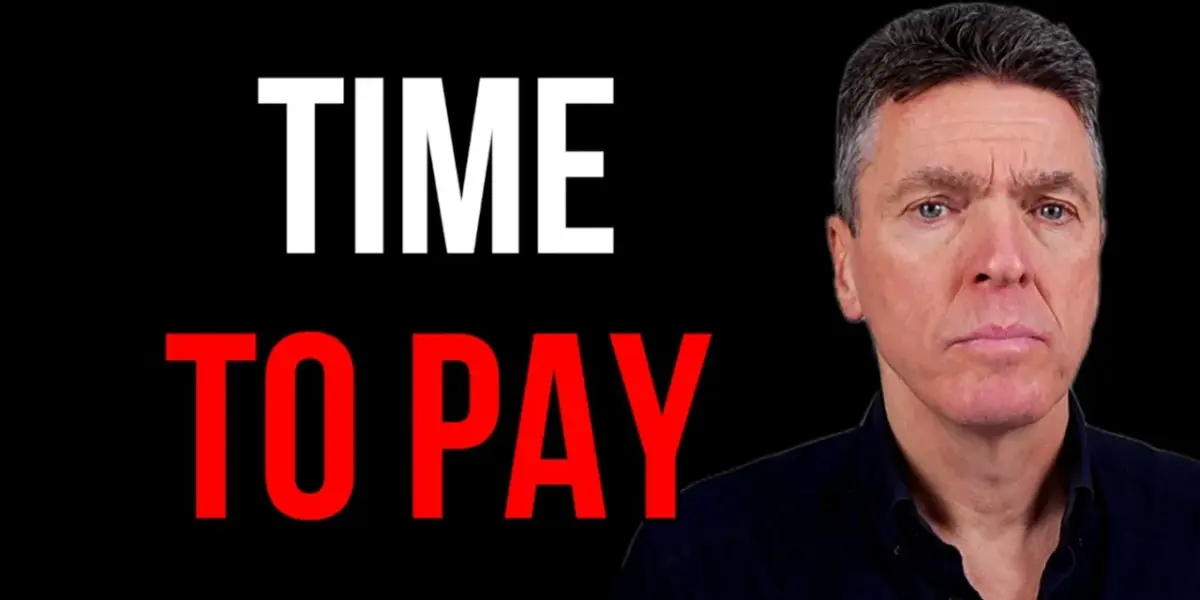
Oil Prices Surge 30% Amid Iran Ceasefire Uncertainty
Markets are grappling with conflicting signals following a ceasefire between the U.S. and Iran. While the pause in direct military action brings some relief, a fragile peace and ongoing tensions are driving up costs for oil, gas, shipping, and insurance. This ripple effect is already impacting global supply chains and inflation expectations.
Strait of Hormuz: A Critical Chokepoint
The Strait of Hormuz, a vital waterway for global energy transport, remains a key concern. Approximately 20% of the world’s daily oil consumption passes through this narrow channel. Although a ceasefire is in place, Iran is reportedly considering imposing transit charges or tolls on ships. Some proposals suggest a fee of $2 million per vessel. If implemented widely, this could add hundreds of millions of dollars in daily costs for shipping companies and oil traders, costs that will likely be passed on to consumers.
Even the threat of disruption is enough to send prices higher. Shipping companies often react immediately to potential risks. They increase insurance premiums, reroute cargo, reduce sailings, and raise their prices. Since the conflict began, traffic through the Strait of Hormuz has dropped by over 100 ships daily. This disruption is a major factor behind the recent price hikes.
Market Divergence: Stocks vs. Commodities
The economic fallout is evident in various markets. Brent crude oil prices have jumped by more than 30% compared to pre-conflict levels and are up about 50% since the start of 2026. U.S. gasoline prices have risen by over a third, and European natural gas prices have surged by more than 40%. Interestingly, global stock markets have only fallen by about 2%.
This difference in market reaction suggests that stock markets are still hoping for a quick resolution. However, energy and shipping markets are reflecting the reality of actual disruptions, potential shortages, and significant risk. Europe, in particular, remains reliant on imported liquefied natural gas, especially after reducing its dependence on Russian gas.
Saudi Arabia’s Production Hit Adds to Risk
The situation is further complicated by recent attacks on Saudi Arabia’s energy infrastructure. The country has confirmed that these attacks have reduced its oil production capacity by roughly 600,000 barrels per day. Additionally, a key pipeline’s throughput has been lowered.
This is significant because Saudi Arabia’s westbound export route is a crucial alternative for bypassing the Strait of Hormuz. Reports suggest that the pipeline damage could cut oil flow by 700,000 barrels per day. This creates a double shock: direct production losses and reduced transport flexibility. The result is less oil reaching the market, tighter supplies, and higher prices.
Lingering Economic Consequences
The economic impact of this crisis will likely persist for months. Even with a ceasefire, oil does not instantly reappear on the market, refineries do not repair themselves overnight, and shipping routes do not immediately become risk-free. Insurance costs also take time to decrease.
These higher costs are already affecting various sectors. Fuel and transportation costs are rising, impacting food distribution and manufacturing. Airline ticket prices are also increasing. Central banks now face a renewed challenge in controlling inflation.
Geopolitical Tensions and Future Risks
Former President Donald Trump has publicly criticized Iran’s actions regarding the Strait of Hormuz, suggesting that U.S. patience may be wearing thin. This raises the possibility of renewed military action if Iran attempts to impose restrictions or charges on shipping.
Beyond the Strait of Hormuz, other geopolitical risks could further destabilize the region. Tensions on the Lebanon-Israel border remain high, with continued strikes increasing the risk of conflict escalation. Reports of drone incidents and heightened security alerts in Gulf States also point to ongoing instability.
The core dispute over Iran’s nuclear program has not been resolved. Furthermore, Iran’s domestic messaging emphasizes resistance and maintained leverage, making political compromise more difficult for both sides. This environment suggests that even if a basic agreement is reached, many complex issues remain unresolved.
Market Impact and Investor Outlook
In the short term, markets are expected to remain highly sensitive to developments. Any sign of progress in ongoing talks could lead to some relief, potentially easing oil and gas prices and improving shipping flows. However, even in a best-case scenario, some economic damage is already locked in.
Higher energy and shipping costs from recent weeks will continue to influence inflation data in the coming months. Businesses that absorbed these higher costs will not easily recover them, and consumers will continue to feel the financial pressure. Central banks will need to consider these factors when making interest rate decisions.
While the ceasefire is a positive development, it is not a permanent solution. The risks of further economic disruption remain significant. The next 14 days will be critical in determining whether the world can avoid a second wave of economic shocks on top of the damage already inflicted.
Source: Time to Pay (YouTube)

Related Articles
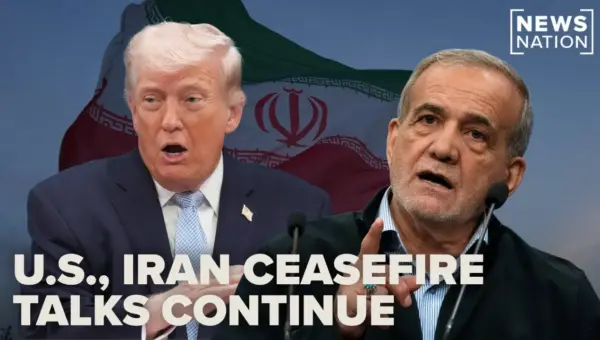
Iran Threatens Strait of Hormuz Amid Lebanon Strikes
Iran threatens to close the vital Strait of Hormuz in response to ongoing strikes in Lebanon. The US is trying to de-escalate, but actions on the ground remain a concern, potentially impacting global oil markets and future negotiations.

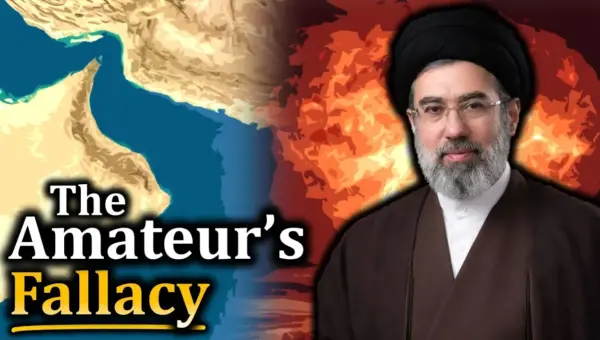
Iran’s Hormuz Threat: A Known Tactic, Not New
Recent conflict did not teach Iran a new tactic by threatening to close the Strait of Hormuz. Experts and Iranian planners have long understood this strategic leverage. The effectiveness of the recent shutdown was tied to global perceptions of the preceding conflict's instigator, not a newfound Iranian capability.


Middle East Ceasefire Sparks Global Market Rally, NATO Tensions Simmer
A fragile Middle East ceasefire has sparked a global market rally, but disputes over the Strait of Hormuz and air strikes on Lebanon cast doubt on its durability. Meanwhile, NATO tensions simmer as President Trump questions the alliance's effectiveness, and a major breakthrough occurs in the Gilgo Beach serial killer case with Rex Heuermann's confession and agreement to cooperate with the FBI.