Oil Prices Skyrocket: Experts Warn of $200 Barrel Amid Geopolitical Crisis
Global oil prices have surged past $100 a barrel amid escalating geopolitical tensions in the Middle East and attacks on cargo ships. Analysts warn of unprecedented market disruption, with some predicting prices could reach $200 a barrel, while others highlight the long-term economic scars this crisis may leave.

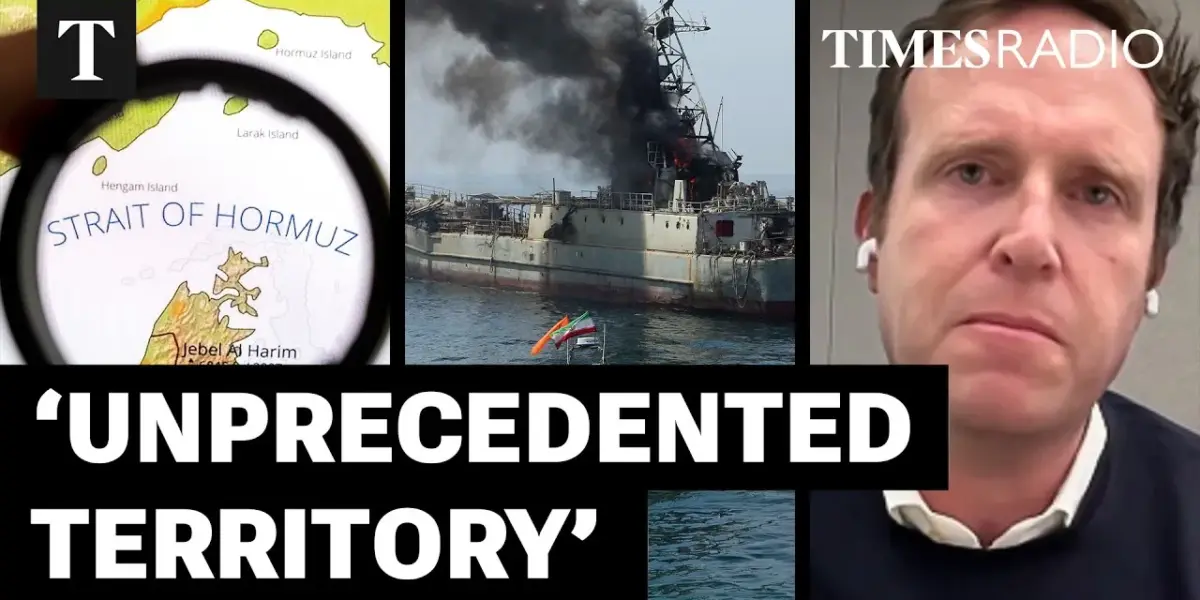
Global Energy Markets Face Unprecedented Disruption as Oil Surges Past $100
London – Global energy markets are experiencing their most significant disruption to date, with oil prices surging past $100 a barrel for the second time this week. The volatile situation has been exacerbated by recent attacks on cargo ships in the Gulf, pushing the world into “unprecedented territory” according to energy market analysts. This dramatic price increase is occurring despite the International Energy Agency’s (IEA) historic decision to release the largest amount of oil reserves ever in an attempt to stabilize the market.
Pandora’s Box: Geopolitical Tensions Ignite Energy Price Fears
Sky News Economics and Data Editor, Ed Conway, described the current geopolitical landscape as having “opened this Pandora’s box,” unleashing a torrent of uncertainty into global energy markets. “We’ve never seen quite so much of the global oil market with a shortage of the oil it needs,” Conway stated, highlighting a significant deficit between global demand and current supply. The crisis is not limited to oil; natural gas markets are also feeling the strain, with Qatar, a major producer, impacted.
The escalating prices have prompted stark warnings, with Iran suggesting oil could reach an alarming $200 a barrel. Conversely, former President Donald Trump has expressed confidence that prices will recede once the conflict subsides. However, Conway suggests a more complex reality, noting a “dichotomy” between energy market experts who are “really scared right now” and economists, politicians, and policymakers who may underestimate the situation’s gravity.
“We’ve just never seen as much of a deficit in terms of the difference between what we kind of need to just keep everything ticking and what we’re getting right now.” – Ed Conway
Historical Parallels and Enduring Relevance of Physical Resources
When asked to compare the current crisis to historical events like the 1973 oil shock, Conway acknowledged similarities but cautioned against exact parallels. “It’s hard to make a kind of exact analogy because like back in the 1970s, you know, the world was much more dependent on oil,” he explained. Despite advancements and a perceived shift towards a less physical economy, Conway emphasized that “physical stuff doesn’t matter. It matters enormously.” He pointed to the fundamental reliance on natural gas for fertilizer production, which in turn underpins global food supply, as a prime example of this enduring dependency.
Long-Term Scars: Beyond the Immediate Crisis
Even in a best-case scenario, where immediate geopolitical tensions de-escalate and shipping routes reopen, Conway predicts lasting consequences. “You still have this leaving aside the geopolitics… you still have a situation where a you might have people making, you know, producing oil in the Middle East who might start thinking to themselves, well, we need lots more pipelines to go around the straight up that costs a lot of money and then all of a sudden your oil price out of the Gulf is just going to be more expensive for quite some time because they need to spend more money on it,” he elaborated.
The crisis is also expected to leave “scars” on the economic models of Gulf nations. Conway suggested that the uncertainty could influence decisions for professionals considering relocation or investment in regions like Dubai, Abu Dhabi, or Qatar, raising “deeper structural question marks that are still going to be left here.”
Looking Ahead: Uncertainty and Economic Ramifications
As global markets grapple with the fallout of the escalating Middle East crisis, the potential for oil prices to breach $200 a barrel remains a significant concern. While some predict a return to normalcy, analysts like Ed Conway warn of lasting economic impacts and structural shifts. The coming weeks and months will be crucial in determining whether diplomatic solutions can mitigate the price surge or if the world faces a prolonged period of energy instability with far-reaching economic consequences.
Source: Middle East Crisis: What Could Happen If Oil Reaches $200 A Barrel | Ed Conway (YouTube)

Related Articles

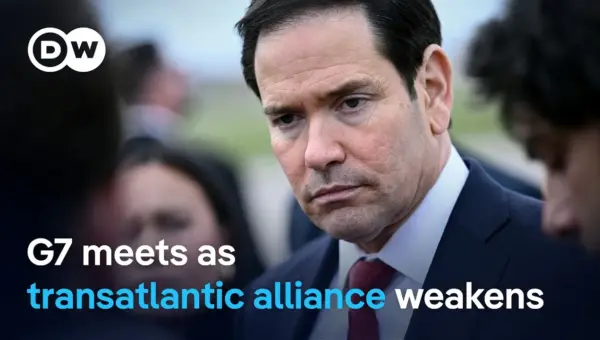
G7 Allies Clash Over Iran War Strategy, Urge Focus on Russia
G7 foreign ministers met in Paris, revealing deep divisions over the U.S. war with Iran. European allies urged the U.S. to pressure Russia, linking its actions to the conflict and fearing support for Ukraine will wane.

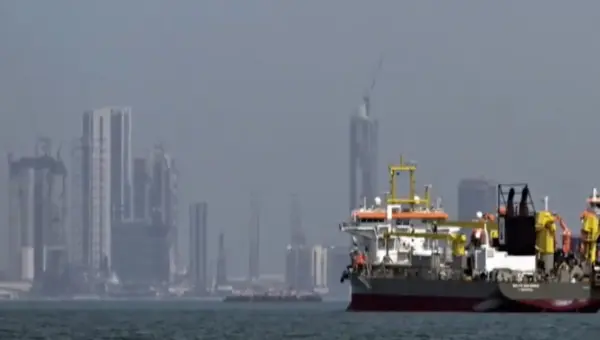
Iran Blocks China Ships, Exposing Beijing’s Weak Grip
Iran's recent decision to block Chinese ships at the Strait of Hormuz is exposing the limits of Beijing's influence in the Middle East. This action is causing delays and cancellations for Chinese manufacturers, turning a perceived geopolitical win into an economic strain.
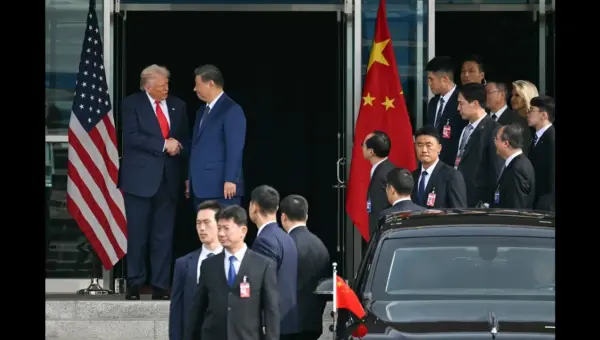
Trump’s “Walk Away” Tactic Signals Tougher Stance on China
Retired Air Force Brigadier General David Stillwell believes President Trump's strategy of being willing to walk away from negotiations puts pressure on China. This tactic, combined with US global actions and strengthened alliances, signals a more assertive American foreign policy.