Oil Prices Skyrocket After US Strike, Gas Prices Set to Surge
Global oil prices have surged following a U.S. military strike on Iran, with a significant increase in gasoline prices expected for American consumers in the coming days. The Strait of Hormuz, a critical oil transit route, remains a key concern as shipping companies reroute vessels amidst rising tensions.

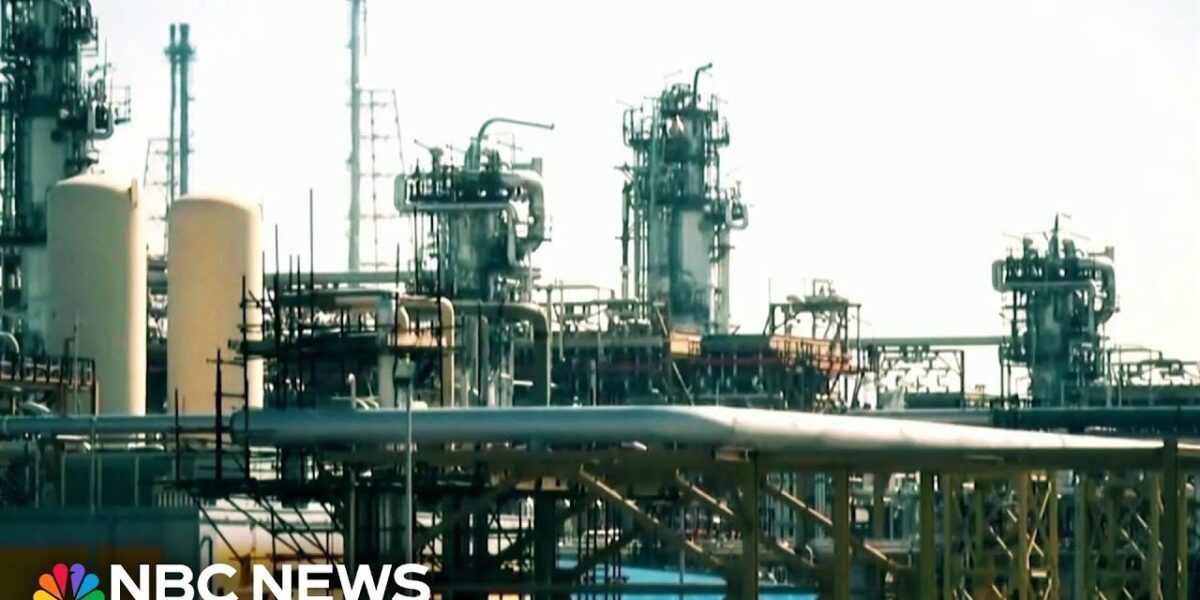
Markets React Sharply as US Action Against Iran Rattles Oil Supplies
Global oil prices surged dramatically in the wake of a U.S. military strike on Iran, with analysts predicting a significant increase in gasoline prices for American consumers in the coming days. The attack, details of which were presented in classified briefings to Congress, has sent shockwaves through international markets, highlighting the region’s critical role in global energy stability.
Strait of Hormuz: A Critical Chokepoint for Global Oil
The immediate market reaction underscores the geopolitical significance of the Middle East for energy supplies. Iran, despite being under stringent sanctions that limit its oil exports primarily to China, occupies a pivotal position due to its proximity to the Strait of Hormuz. This narrow waterway is an essential transit route, with approximately 20% of the world’s oil passing through it daily. Any disruption or perceived threat in this region has an immediate and amplified effect on crude oil prices worldwide.
Impact on American Drivers: Higher Gas Prices Imminent
The surge in crude oil prices is expected to translate directly into higher costs at the pump for U.S. drivers. Experts estimate that for every $1 increase in the price of crude oil, the cost of a gallon of gasoline can rise by approximately 2.5 cents. Given the significant jump in oil prices following the strike, consumers could see gasoline prices increase by as much as 25 cents per gallon. These higher prices could materialize within days, though their duration will largely depend on the unfolding geopolitical situation and the extent of the conflict.
Shipping Companies Divert Vessels Amidst Tensions
In response to the heightened tensions and potential risks, several major shipping companies have announced they are rerouting their supertankers. These vessels are currently holding positions outside the Strait of Hormuz, with dozens of ships dropping anchor in surrounding waters. This precautionary measure further signals the market’s concern over the security of oil transit routes in the region.
OPEC+ Monitoring Situation
The Organization of the Petroleum Exporting Countries and its allies, a group known as OPEC+, has indicated it is closely monitoring the developing situation. The group’s response and potential actions could play a significant role in stabilizing or further influencing global oil markets in the coming weeks and months.
Looking Ahead: Geopolitical Stability and Energy Markets
The coming days and weeks will be crucial in determining the long-term impact of the U.S. strike on Iran and its ripple effects on global energy markets. Market participants will be closely watching diplomatic developments, the potential for escalation, and the strategic responses from major oil-producing nations and shipping conglomerates to assess the sustained trajectory of oil and gas prices.
Source: Oil and gas prices expected to surge after U.S. attack on Iran (YouTube)

Related Articles


US Strikes Iran: 3 Troops Dead, President Warns of More
Three U.S. troops have been killed in new missile strikes against Iran, prompting President Trump to warn of further casualties. The operation, "Epic Fury," has led to Iranian retaliation, regional instability, and significant global economic and travel disruptions. Iran is also facing a leadership vacuum following the death of its Supreme Leader.
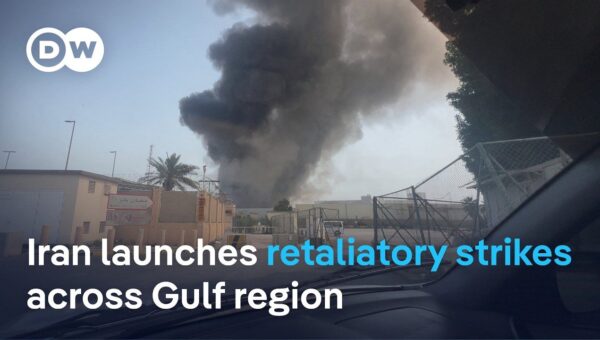
Iran Strikes Neighbors: Gulf Relations Suffer Amid Retaliation
Iran's retaliatory strikes have reverberated across the Gulf, damaging relations with neighboring countries and impacting civilian infrastructure. Experts warn that these actions jeopardize fragile diplomatic progress and violate the sovereignty of U.S. allies in the region.
Iran Strikes Spark Oil Price Surge, Threatening Affordability
Iran's recent strikes around the Strait of Hormuz have sent oil prices soaring, reversing consumer affordability gains and threatening broader inflation. The disruption to a vital global shipping lane could push gasoline prices significantly higher, complicating the Federal Reserve's inflation targets and creating market uncertainty.