Oil Prices Plunge on Iran Truce; Economy Shrugs Off Shock
Stock markets surged following an Iran ceasefire announcement, while oil prices plunged below $100 a barrel. Analysts predict supply chain normalization within weeks, with gasoline prices potentially stabilizing. The U.S. economy shows resilience, with strong job growth and stable natural gas prices.

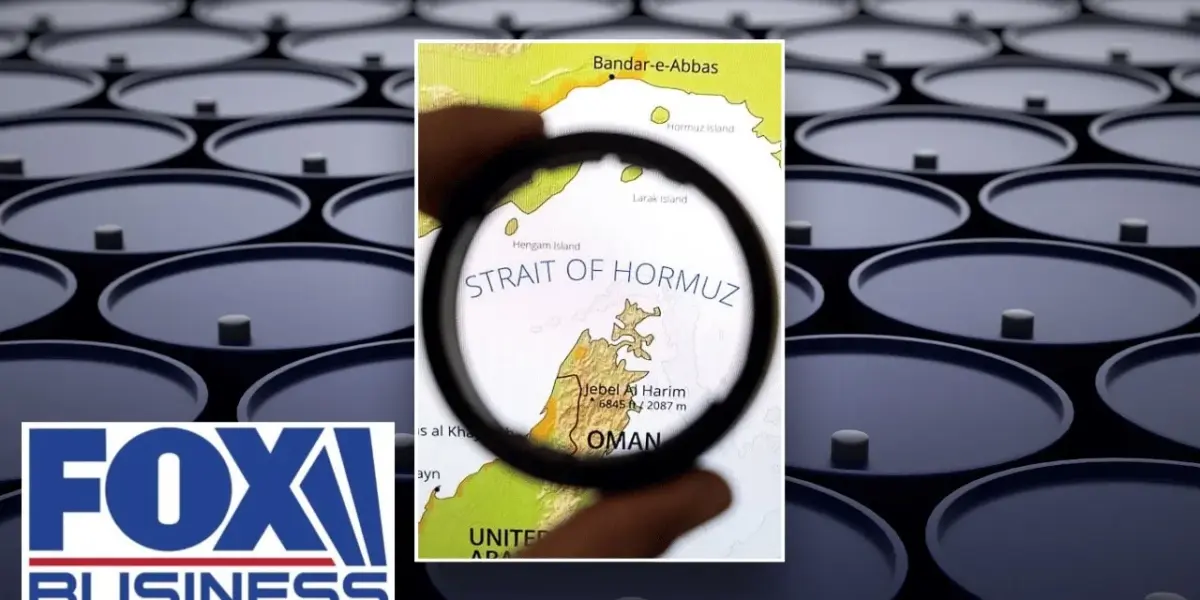
Markets Surge as Iran Ceasefire Declared; Oil Prices Tumble
Major stock markets experienced significant gains, with the Dow Jones Industrial Average soaring by nearly 3%, following President Trump’s announcement of a ceasefire agreement with Iran. This broad market rally, marked by quadruple-digit gains, signals investor optimism after a period of heightened geopolitical tension.
Oil Collapses Below $100 a Barrel
In stark contrast to the stock market’s ascent, oil prices plummeted immediately after the ceasefire news. Crude oil futures dropped sharply, falling below the $100 per barrel mark. Before the U.S. action against the Iranian regime, crude had closed at $67.26 a barrel. The market reacted swiftly, with oil declining throughout the previous day and then plunging in early trading following the announcement.
Supply Chain Normalization Expected Within Weeks
Concerns about oil supply disruptions, particularly regarding the Strait of Hormuz, have eased. Analysts estimate that if the Strait reopens and shipping lanes become clear, it could take between one to six weeks for oil deliveries to normalize for major importing regions like China and Europe. While some initially feared longer delays, this projected timeline is seen as a positive development, alleviating immediate supply shortage worries.
Gasoline Prices Could Stabilize Around $3.83-$4.00 a Gallon
According to energy analyst Tom Kloza, if oil prices stabilize around $93 a barrel, the national average for gasoline could settle between $3.83 and $4.00 per gallon. This projection considers current U.S. export levels of refined products like jet fuel, which have been running at about 2 million barrels per day. Additionally, imports of gasoline, particularly on the West Coast, with 372,000 barrels arriving daily, help mitigate supply concerns in key regions like California.
Natural Gas Remains Stable, Seen as Fuel of the Future
Natural gas prices have shown remarkable stability, remaining at or below $3 per unit throughout the recent geopolitical events. This resilience is noteworthy, as natural gas is considered a cleaner-burning fuel and a key component of future energy strategies. As economies become more efficient and shift away from coal and oil, the demand for natural gas is expected to grow.
Natural gas futures have fallen approximately 13% during the conflict, trading around $2.71 per unit. This stability provides significant balance to the industrial economy. However, the transportation of natural gas is more localized unless liquefied (LNG), making it less directly affected by chokepoints like the Strait of Hormuz compared to crude oil.
LNG Exports Less Impacted by Strait of Hormuz
While the Strait of Hormuz is a critical route for global shipping, its impact on U.S. Liquefied Natural Gas (LNG) exports is less direct. Major LNG export terminals, such as those in Qatar, are the primary concern. The U.S. has been able to fill some supply gaps in the global LNG market, a capability partly attributed to favorable energy policies under the current administration.
Market Impact: Economy Poised for Stability
The consensus among market observers is that the recent geopolitical events will have a negligible impact on the broader U.S. economy. Despite fears of an “oil shock,” several economic indicators remain strong. Continuing capital expenditures, robust ISM Manufacturing and Services Purchasing Managers’ Index (PMI) data, and high small business confidence (NFIB) point to sustained economic growth.
Furthermore, job creation remains solid, with private sector employment rising by 185,000. The unemployment rate stands at a low 4.3%. These figures suggest that the economy is resilient and well-positioned to absorb potential disruptions. Trucking, a key leading economic indicator, is reportedly booming, reflecting healthy commercial activity.
The nation’s energy strength is also seen as a positive factor, with capital flowing into domestic businesses. The need to replenish military supplies also provides a boost to defense contractors. In real terms, even significant price increases in oil are less impactful than in past decades; for instance, oil prices in 2008 reached nearly $200 a barrel in real terms, compared to current levels around $93.
What Investors Should Know
The swift resolution of immediate geopolitical tensions has led to a market rally and a significant drop in oil prices. Investors can take comfort in the stability of natural gas and the overall resilience of the U.S. economy, supported by strong employment and manufacturing data. While the long-term implications of the Iran situation require continued monitoring, the short-term outlook suggests a stable economic environment, potentially favorable for stock investments. The decline in oil prices could also translate into lower costs for businesses and consumers, further supporting economic activity.
Source: How long does it take to get oil delivered if Strait opens? (YouTube)

Related Articles


Stocks Rebound as Inflation Cools, Economy Shows Strength
Stocks are showing renewed strength as core inflation remains stable at 2.6% and the U.S. economy demonstrates robust growth. Despite geopolitical tensions impacting oil prices, the market is adapting, supported by strong corporate earnings forecasts.

US Pilot’s Daring Rescue Spurs Iran Ceasefire Talks
A U.S. pilot's daring rescue from Iran has paved the way for ceasefire talks, highlighting geopolitical tensions and diplomatic efforts. Domestically, the week saw continued focus on border security, support for crime victims, and legislative wins against online exploitation.

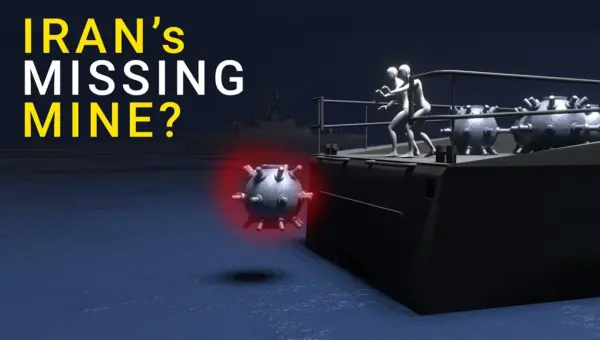
Iran’s Lost Mines Create Naval Nightmare
Iran's panicked attempt to mine the Strait of Hormuz has backfired, creating a dangerous, uncontrolled minefield. Unable to track or remove its own explosives, Iran now faces a critical naval blunder. The U.S. has responded with precision strikes against Iran's naval assets, aiming to secure this vital global oil chokepoint.