Oil Prices Hold Steady Amid Iran Tensions, Inflation Eases
Oil prices remain below $100 a barrel despite rising tensions with Iran, as inflation shows signs of cooling. While diplomatic talks face significant hurdles, Saudi Arabia's pipeline capacity and falling food prices offer some economic stability. Investors remain cautious, weighing geopolitical risks against easing price pressures.

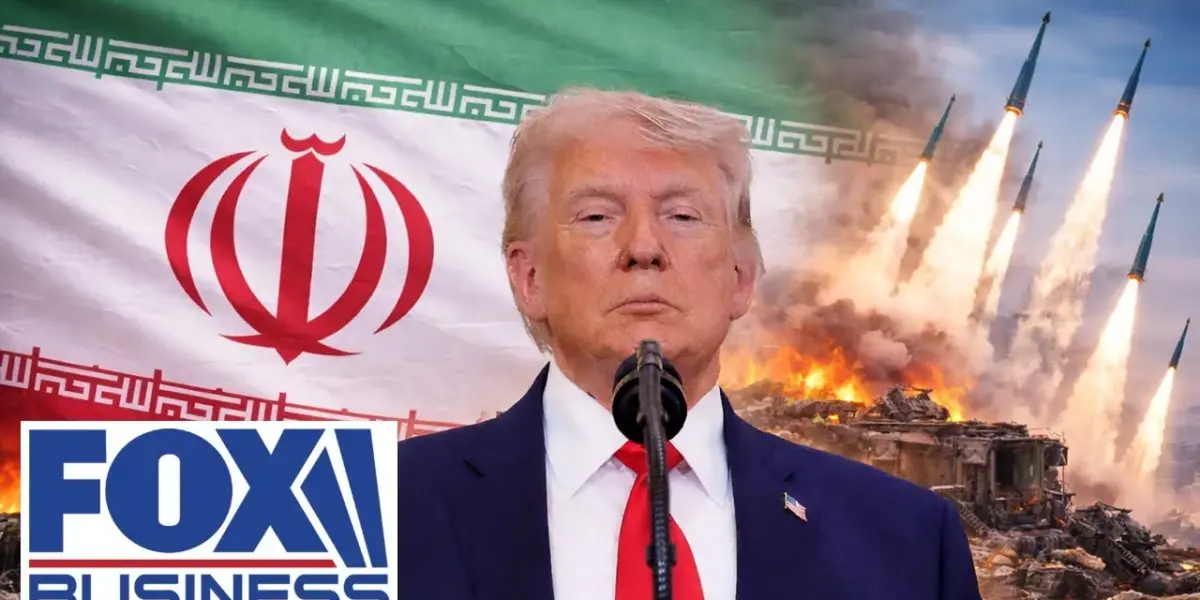
Oil Prices Hold Steady Amid Iran Tensions, Inflation Eases
Despite escalating tensions with Iran and concerns over the Strait of Hormuz, oil prices have remained below the critical $100 per barrel mark. This stability, coupled with easing inflation data, has provided a surprising resilience to the stock market, even as diplomatic efforts with Tehran appear fragile.
Fragile Peace Talks and Iran’s Demands
Vice President J.D. Vance is leading U.S. negotiations with Iran, aiming to extend a delicate two-week ceasefire. However, significant differences remain. President Trump has criticized Tehran for restricting tanker traffic in the Strait of Hormuz and attempting to impose tolls. Iran’s negotiation stance, outlined in a 10-point list, includes demands such as providing uranium for nuclear weapons, promising not to enrich uranium further, and allowing American inspections of its nuclear facilities. Analysts express skepticism about these demands ever being met by Iran.
Inflation Data Shows Cooling Trend
New inflation figures released show a 3.3 percent increase in prices for March. However, when volatile energy and food costs are excluded, the inflation rate drops to a more manageable 2.6 percent. This core inflation reading is seen as a positive sign, suggesting that if energy prices decrease, overall inflation could continue to fall. This outlook could give the Federal Reserve more room to consider cutting interest rates in the future.
Market Reacts to Geopolitical Risk
The Dow Jones Industrial Average, while down from recent highs, is showing resilience. It stood around 47,884, roughly 1,000 points below its peak of 48,977. Oil prices, though not at their highest, are still carrying a premium due to the ongoing uncertainty. Some analysts suggest the market is factoring in an eventual end to the conflict, while others warn that a prolonged situation could lead to higher oil prices, potentially reaching $110 per barrel or more, and significant economic disruption.
“The market is saying — now, if you look at the Dow, it’s at 47,8. That is still, it’s roughly, it’s roughly a thousand points below where it was…”
Iran’s Oil Exports and Sanctions
Reports indicate that despite the tensions, Iran continues to export oil. Russian Very Large Crude Carriers (VLCCs) have been observed loading Iranian oil. This activity benefits Iran and Russia, as higher oil prices increase their revenues. The U.S. has previously lifted sanctions on Iranian oil, and any further waivers could prolong this benefit. The situation raises questions about the effectiveness of sanctions and the long-term implications for global energy markets.
Saudi Arabia’s Role in Oil Supply
A key factor supporting current oil prices below $100 per barrel, even with disruptions in the Strait of Hormuz, is Saudi Arabia’s East-West Pipeline. This pipeline can transport 5 million barrels of crude per day out of the Red Sea, bypassing the Strait. Although the pipeline was recently damaged by Iran, Saudi Arabia is actively working to expand its crude transportation and logistics networks. This includes developing new routes connecting the Arabian Gulf to the Red Sea via road and rail, aiming to ensure a steady flow of oil.
Food Inflation Declines
Beyond energy, other inflation indicators are showing improvement. Food inflation has recorded its lowest reading in five years. Specifically, egg prices have seen significant decreases, falling by 3.55% in March, 3.8% in February, and 7% in January. This cooling in food prices contributes to the overall easing of inflationary pressures, providing some economic ballast.
Market Impact and Investor Outlook
The market’s ability to hold up despite geopolitical risks is attributed by some to the belief that much of the potential disruption has already been priced in, or that the U.S. and Israel have already inflicted significant damage. Others suggest the market is overly optimistic, underestimating the impact of a drawn-out conflict. The core question remains whether the current stability is a temporary pause or a sign of underlying economic strength. Investors will be closely watching the outcome of negotiations and any further developments in the Strait of Hormuz, as well as ongoing inflation trends, to gauge future market direction.
Source: 'LOBBING BOMBS': Trump ERUPTS over Iran as OIL CRISIS deepens (YouTube)

Related Articles
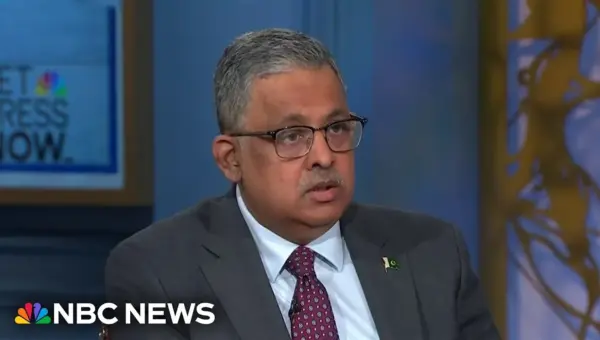
US, Iran Peace Talks Begin Amid Ceasefire Dispute
Vice President J.D. Vance leads a U.S. delegation to Pakistan for crucial peace talks with Iran, aiming to resolve escalating regional tensions. The negotiations commence amidst disputes over a ceasefire agreement, with both nations accusing each other of violations. Key issues include the Strait of Hormuz and the conflict in Lebanon, impacting global energy markets and consumer confidence.

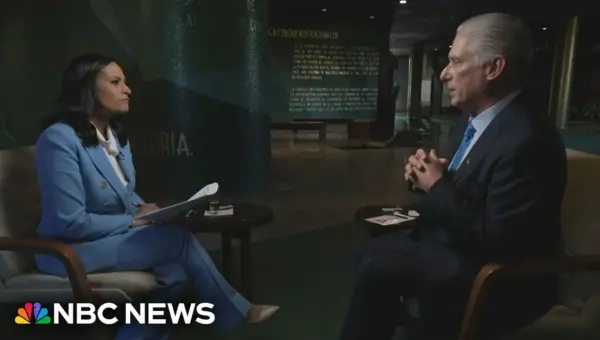
Iran Talks Stall: US Threatens Military Action, Cuba Awaits Fate
High-stakes U.S.-Iran talks in Pakistan face uncertainty as Iran demands a Lebanon ceasefire and sanctions relief, while President Trump threatens military action. Cuba's President vows to defend the revolution, expressing fears of becoming a U.S. "conquest" amidst regional tensions.

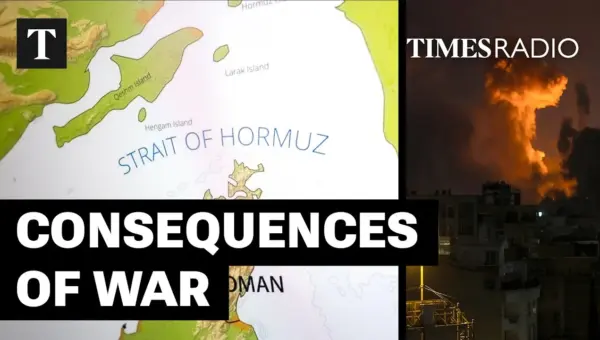
Iran Gains Strait of Hormuz Control Amidst War
Top US officials are traveling to Pakistan for critical talks with Iran, facing preconditions including a ceasefire in Lebanon and the release of blocked assets. Iran's de facto control over the Strait of Hormuz has emerged as a significant leverage point in the escalating regional tensions. The negotiations are expected to be tough, with both sides holding firm positions on key issues.