Oil Prices Drop as Fragile Iran Truce Reopens Strait of Hormuz
A fragile two-week truce between Iran and joint forces has led to a significant drop in oil prices as the Strait of Hormuz reopens. While markets show confidence, long-term stability and Iran's nuclear program remain key concerns.

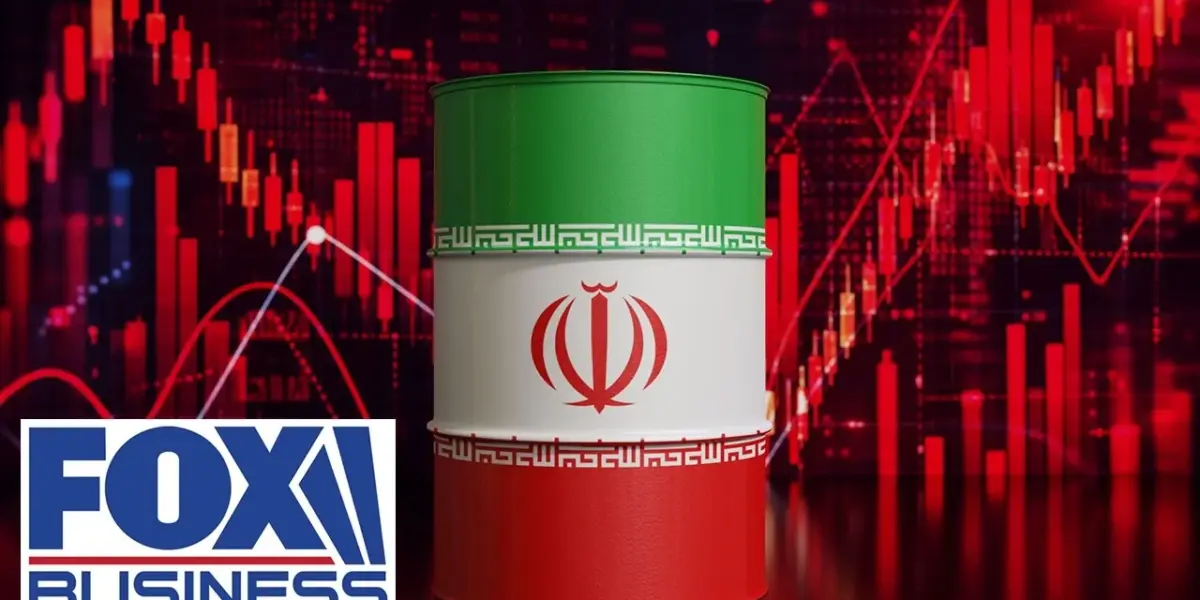
Oil Prices Tumble as Fragile Truce Reopens Key Shipping Lane
Markets reacted swiftly to news of a fragile two-week truce between Iran and joint forces, sending oil prices down sharply. The deal, reached after weeks of escalating tensions, promises to reopen the Strait of Hormuz, a critical chokepoint for global oil shipments. West Texas Intermediate crude fell to $94.71 per barrel, a significant drop from its pre-conflict price of $67.26. This development suggests that markets are, at least for now, gaining confidence in a de-escalation of hostilities.
The immediate impact is a positive sign for consumers and businesses reliant on stable fuel costs. The Strait of Hormuz, through which roughly 20% of the world’s oil passes, had become a focal point of conflict. Its reopening is seen as a major tailwind, potentially reducing fuel costs by as much as $0.75 to $1.00 per gallon. This could have a ripple effect across the U.S. economy, impacting everything from trucking and infrastructure maintenance to the cost of goods.
A Fragile Peace or a Strategic Pause?
While the market has responded positively, questions linger about the long-term stability of this truce. Reports indicate that Iran maintains a tight grip on the strait, requiring strict permission for ships to pass. This suggests that while active conflict may be paused, the underlying tensions remain. The administration’s use of the term “new regime” to describe Iran’s leadership hints at concerns about the influence of older, potentially problematic elements within the government.
Analysts suggest that the current situation may be part of a longer-term strategy. The goal appears to be securing the opening of the strait, at least temporarily. However, the potential for renewed conflict remains, as a single action by Iran could quickly escalate the situation into a “tinderbox.” The international community, particularly China and Pakistan who are significant buyers of oil, are closely watching these developments.
Market Momentum and Investor Outlook
The market’s reaction, with oil prices dropping and futures indicating further declines, shows a clear desire for a return to normalcy. This comes after a period where markets seemed to be searching for an excuse to rally. Following pullbacks in the S&P 500, which have averaged around 10-14% since the Great Financial Crisis, investors are looking for fundamental reasons to invest. The current situation, if it holds, could provide that catalyst.
Despite the positive short-term reaction, many analysts are downgrading oil stocks. These stocks have seen significant declines, ranging from 15-45% since the conflict began. The focus is shifting back to earnings, valuations, and identifying fundamentally cheap stocks. The market appears eager to move past geopolitical headlines and focus on core business metrics.
The Nuclear Question Looms
Beyond the immediate concerns about oil shipments, a significant long-term worry is Iran’s nuclear program. Reports indicate Iran possesses enriched uranium up to 60%, dangerously close to weapons-grade material. This poses a substantial threat, and securing or neutralizing this material is seen as a critical objective. The possibility of Iran developing nuclear weapons remains a non-negotiable concern for the United States.
There is a strong sentiment that a regime change in Iran may be necessary due to a lack of trustworthiness. The goal is to prevent Iran from using the Strait of Hormuz as a choke point and to ensure they do not acquire nuclear capabilities. While the current truce may offer a respite for Iran, it also presents an opportunity for reassessment and potential diplomatic solutions. However, the path forward remains complex, with many moving parts and uncertainties.
What Investors Should Know
- Oil Price Volatility: The reopening of the Strait of Hormuz has led to a sharp drop in oil prices. However, the fragile nature of the truce means prices could remain volatile.
- Geopolitical Risk Premium: Markets often price in a “risk premium” during times of conflict. As tensions ease, this premium may decrease, leading to market rallies.
- Sector Rotation: Investors may look to shift away from energy stocks that have been hit hard and explore other sectors with stronger fundamental outlooks.
- Long-Term Uncertainty: While the immediate news is positive, significant long-term geopolitical risks, including Iran’s nuclear program, remain.
- Focus on Fundamentals: As immediate geopolitical crises subside, investors are likely to return their focus to company earnings, valuations, and economic fundamentals.
The current situation highlights the interconnectedness of global energy markets and geopolitical stability. While the immediate relief in oil prices is welcome, investors should remain cautious and monitor the evolving situation closely. The long-term implications will depend on Iran’s actions and the effectiveness of international diplomacy in addressing both the immediate conflict and the nuclear threat.
Source: UNCERTAIN PEACE: Fragile deal leaves MASSIVE questions unanswered (YouTube)

Related Articles


US Tightens Grip: Iran Strait Blockade Sparks Global Oil Fears
The U.S. is threatening to block Iranian ports, a move that could severely disrupt global oil supplies. This action tests international law and puts major economies like China and India at risk of inflation. The standoff signals a potential shift in global power dynamics.


Trump Orders Iran Strait of Hormuz Blockade
President Trump has ordered an immediate U.S. Navy blockade of the Strait of Hormuz following failed negotiations with Iran. The move aims to halt all maritime traffic, but experts warn of significant risks, including potential confrontations with other nations and economic repercussions. The situation remains volatile as both sides may have used a recent ceasefire to resupply and prepare for further conflict.


Ukraine’s Drones Expand ‘Kill Zone,’ Rattling Russia
A Russian military blogger's questions about winning the war highlight Ukraine's expanding drone 'kill zone.' This zone, now 40-50 km deep, makes Russian troop movements and supply lines vulnerable. Ukraine's increasing quantity and quality of drones are inflicting heavy losses and shifting battlefield momentum.