Oil Price Shock: Trump’s War Gambit Fuels Red State Pain
As Middle Eastern conflict escalates, surging oil prices disproportionately impact red states, raising questions about Donald Trump's foreign policy and its domestic economic fallout. The analysis explores the 'short-term pain' narrative and its historical context.

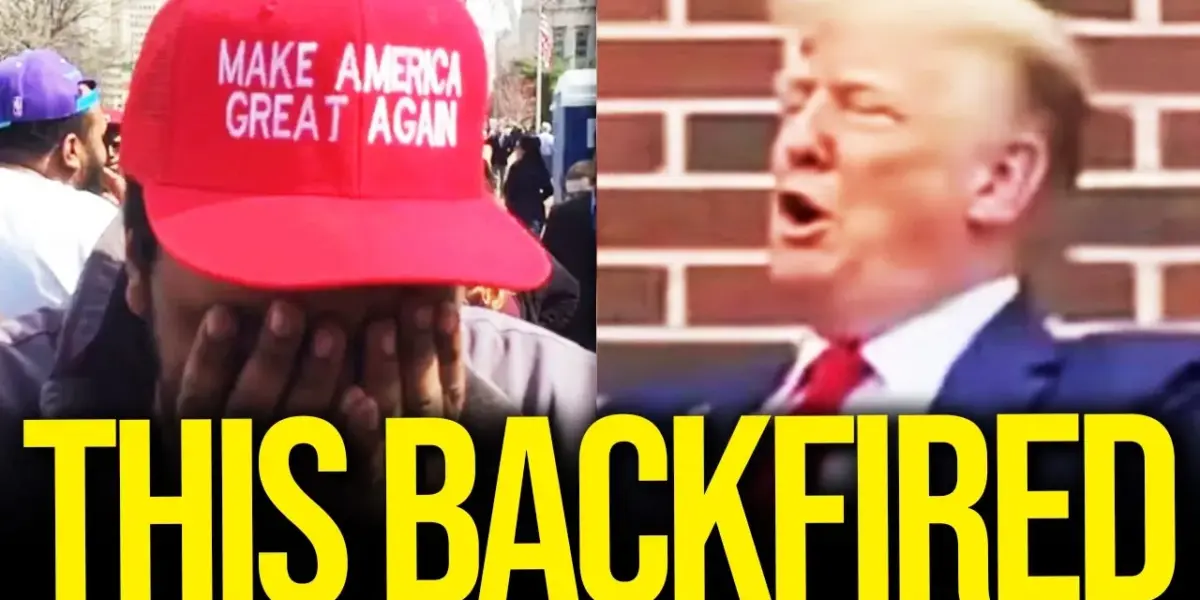
Trump’s War Escalation Triggers Economic Backlash
The escalating conflict in the Middle East, with Israel launching significant strikes on Iran, has plunged the global economy into a precarious state. Initially, former President Donald Trump appeared eager to align with Israel’s aggressive stance, a position that has now seemingly soured as the political and economic repercussions become undeniable. The surge in oil prices, crossing the $110 per barrel mark, is a stark indicator of this turmoil, with analysts warning of potential further increases to $130 or even $140. This global energy crisis, exacerbated by the closure of the vital Strait of Hormuz, which handles a significant portion of the world’s oil transit, is not a short-term blip but a harbinger of prolonged economic hardship.
Red States Bear the Brunt of Rising Gas Prices
While the economic pain is global, the transcript highlights a particularly concerning trend: gas prices are disproportionately spiking in Republican-leaning “red states.” This phenomenon, attributed to price cycling and market reactions, is hitting communities that may have supported the initial hawkish foreign policy stance the hardest. States like Indiana, Florida, Michigan, and Ohio have witnessed substantial weekly increases in gasoline prices, with Indiana seeing a 58-cent jump alone. This localized economic distress, directly visible at the pump, serves as a potent reminder of how geopolitical events translate into tangible impacts on everyday citizens.
The Economy: The Unseen Driver of Political Sentiment
The analysis draws a parallel to past political miscalculations, particularly the Democratic Party’s focus on issues like January 6th in 2022, which, while significant, did not resonate as strongly with the electorate as economic concerns. The adage “It’s the economy, stupid” rings true, with visible indicators like gas prices and grocery costs holding more sway over public opinion than abstract political narratives. This underscores the critical importance of economic stability for any political administration, especially when navigating complex foreign policy decisions that have direct domestic consequences.
Historical Echoes: “Short-Term Pain for Long-Term Gain”
The narrative surrounding the current economic fallout echoes a familiar refrain from the Trump administration’s past policies. A montage of Trump officials repeatedly using the phrase “short-term pain for long-term gain” in reference to economic disruptions, such as the tariffs imposed approximately a year prior, reveals a pattern of downplaying immediate economic hardship. This strategy, however, appears to have backfired, as the “short-term pain” has persisted, and in the current context, has morphed into a broader economic crisis. The comparison to the past suggests a lack of effective long-term economic planning or an underestimation of the ripple effects of foreign policy decisions.
Geopolitical Tensions and Civilian Casualties
Beyond the economic impact, the conflict raises serious questions about civilian casualties and the conduct of military operations. Reports of a school being struck, with initial indications suggesting potential US involvement, have led to a heavily scrutinized investigation. The official response, emphasizing ongoing investigations and a commitment to not targeting civilians, has been met with skepticism. The release of new video footage showing a US Tomahawk missile strike near a school where children were reportedly killed adds a disturbing layer to these concerns. The involvement of international bodies and the differing perspectives from regional actors, like the United Arab Emirates, highlight the complex web of alliances and the potential for unintended consequences in escalating conflicts.
Why This Matters
This situation is a critical case study in the interconnectedness of global politics, economics, and domestic well-being. The transcript argues that former President Trump’s initial alignment with aggressive foreign policy, now seemingly tempered by economic anxieties, has created a volatile situation. The disproportionate impact of rising gas prices on “red states” suggests a direct political consequence for the party that may have championed a more interventionist foreign policy. Furthermore, the repeated use of the “short-term pain, long-term gain” narrative, both historically and currently, raises questions about transparency and the administration’s ability to manage public perception during economic downturns. The allegations of civilian casualties in the conflict also bring to the forefront the ethical considerations and potential long-term diplomatic ramifications of military actions.
Implications, Trends, and Future Outlook
The current trajectory points towards a period of sustained economic uncertainty. The closure of the Strait of Hormuz, combined with geopolitical instability, suggests that oil prices will remain elevated, impacting global inflation and potentially triggering recessions. The reliance on the “short-term pain” messaging strategy by political figures, as observed in the transcript, indicates a potential trend of attempting to manage public opinion through rhetoric rather than concrete economic solutions. The focus on domestic economic indicators, like gas prices, is likely to become an even more dominant factor in political discourse and electoral outcomes. The allegations of civilian casualties, if substantiated, could have significant long-term implications for international relations and the perception of US foreign policy.
Historical Context and Background
The current geopolitical climate echoes past periods of heightened Middle Eastern tensions and their impact on global energy markets. The 1973 oil crisis, for instance, demonstrated how regional conflicts could have profound and lasting effects on the global economy. Similarly, the use of “short-term pain” as a justification for economic policies has a history in various administrations, often used to garner support for austerity measures or protectionist trade policies. The transcript also references the tariffs imposed by the Trump administration, which were similarly framed as necessary for long-term economic benefit but resulted in immediate consumer costs. Understanding these historical precedents provides crucial context for evaluating the current situation and potential future outcomes.
Conclusion
The ongoing conflict and its economic fallout present a complex challenge with far-reaching consequences. The transcript suggests that while geopolitical strategies may be debated on the international stage, the tangible impacts on everyday citizens, particularly through rising energy costs, are undeniable. The political ramifications of these economic pressures, especially their disproportionate effect on certain demographics and regions, will likely shape political discourse and electoral landscapes for the foreseeable future. The need for clear communication, effective economic management, and ethical considerations in foreign policy remains paramount.
Source: Trump PANICS as RED STATES get HIT HARDEST (YouTube)

Related Articles
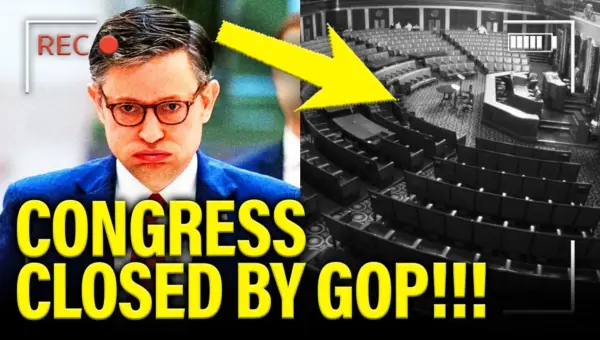
MAGA Retreat Exposes Deep Divide Amidst War and Economic Woes
While the nation faces war and economic turmoil, MAGA Republicans convened at Trump's Doral resort, sparking criticism over priorities. Speaker Johnson's rhetoric on war and peace, coupled with divisive statements, highlights a widening political chasm. A congressional candidate offers policy solutions amidst this backdrop.


Iran Appoints New Leader Amid Escalating Global Tensions
Iran has appointed Mojtaba Khamenei, son of the former leader, as its new Supreme Leader amidst escalating international conflict. The war has driven oil prices to record highs, impacting global markets and American consumers. Meanwhile, the U.S. military toll rises, and travel faces significant disruption due to the government shutdown.

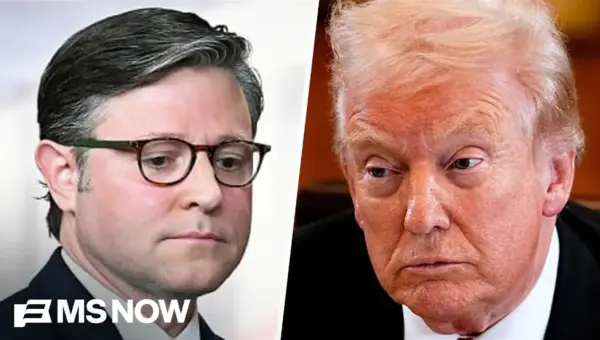
GOP Faces Voter Anger Over Economy Ahead of Trump Rally
House Republicans are meeting amid growing voter anger over the economy, with former President Trump set to address the party. Analysts suggest economic anxieties could benefit Democrats, especially as polls show dissatisfaction with rising costs and market volatility.