Oil Drilling Unfazed by Iran Ceasefire: Why Producers Stay Disciplined
US oil producers are maintaining disciplined drilling schedules despite fluctuating oil prices influenced by US-Iran ceasefire news. Experts believe current high prices are temporary, with a return to around $70 expected. The US energy sector is increasingly self-sufficient, focusing on domestic infrastructure and regulatory reform for long-term energy security.

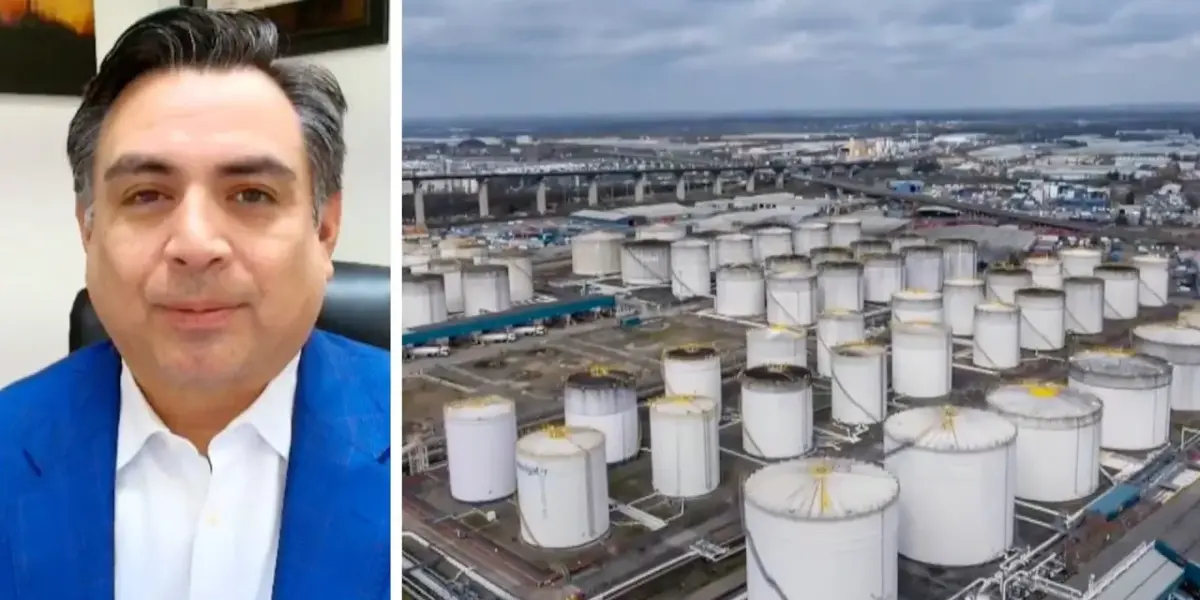
Oil Producers Stick to Plans Despite Iran Ceasefire Hopes
News of a potential US-Iran ceasefire briefly sent oil prices tumbling, but they are already climbing back up. This price rollercoaster might seem surprising, but experts say it highlights the deep uncertainty built into global oil markets. Even with prices hitting over $100 a barrel for West Texas Intermediate (WTI), those working in the oil fields are not planning any sudden changes. The mood on the ground is one of calm and careful planning, a practice known as capital discipline. While higher prices mean more money for some, especially those drilling early in the year, most companies don’t expect this trend to last.
Discipline Over ‘Drill Baby Drill’
Companies like ExxonMobil, Chevron, and POS Country Operating are sticking to their development plans for the coming years. They are not suddenly ramping up drilling schedules just because oil is temporarily expensive. This disciplined approach is based on past experience. For instance, under President Trump’s two terms, oil prices were $100 or higher for less than 14 days total. President Biden saw three months of prices above $100, while President Obama’s time in office included three full years at that level. Producers believe that once the current international tensions ease, oil prices will likely fall back to around $70 a barrel.
US Energy Independence: A Shifting Picture
The United States has built a strong domestic energy industry over the last decade. We now produce nearly 14 million barrels of oil daily, consuming about 21 million barrels. This means we still need to import roughly 7 million barrels each day. However, the US no longer relies heavily on the Middle East for these imports. Instead, oil is sourced from places like Venezuela and other global suppliers. Still, some regions, like California, remain more dependent on Middle Eastern oil. California receives a portion of its crude oil from the Strait of Hormuz. More significantly, it gets over 90% of its gasoline, diesel, and jet fuel from China, which in turn imports over half its crude oil from the Strait of Hormuz.
Insulating Against Middle East Risks
To truly protect the US from supply risks in the Middle East, experts suggest removing unnecessary regulations that slow down the economy. Texas is a prime example, with the first new oil refinery in over 50 years now under construction. This facility will be designed to process American oil. Many existing refineries in the US were actually built to handle cheaper foreign oil, particularly from the Middle East. Another strategy involves managing Iranian oil production. Once international dust settles, the US may gain more control over Iranian oil, similar to its approach with Venezuelan oil. This could help lower global prices and reduce funding for terrorism, as Iran reportedly spends billions annually on such activities through its oil revenue.
Modernizing Infrastructure for Energy Security
Beyond refining and international oil control, improving infrastructure is key to American energy independence. The nation’s energy systems were built around oil and coal in the early 1900s because these resources were plentiful, reliable, and affordable. Today, there’s a call to update this infrastructure to prioritize liquid natural gas (LNG). Regions like the Northeast, including New England and New York, need to allow new pipelines to bring in LNG. This would provide more consistent, affordable energy, especially during winter months, potentially replacing the need to burn oil. Similarly, California, which faces energy challenges, could benefit from reopening refineries along the West Coast and building more pipelines to ensure a stable and affordable energy supply.
Why This Matters
The current oil market dynamics show that global events, like potential ceasefires in the Middle East, can cause short-term price swings. However, the long-term strategy for major oil producers is one of sustained, disciplined production rather than reacting to every headline. This approach highlights the growing self-sufficiency of the US energy sector, though pockets of reliance on foreign oil and refined products still exist. The push for energy independence involves not only increasing domestic production but also modernizing infrastructure and refining capabilities to better process American resources and reduce vulnerability to international supply disruptions. The future of US energy security hinges on these strategic investments and regulatory adjustments.
Implications and Future Outlook
The analysis suggests that while geopolitical events create market noise, the fundamental decisions of oil producers are driven by long-term planning and historical price patterns. The expectation of prices returning to a more moderate level, like $70, indicates a belief that current high prices are not sustainable. The US’s ability to diversify its oil imports away from the Middle East is a significant development in its energy security. However, the reliance of certain states and industries on foreign refined products, like California’s dependence on Chinese fuel, points to remaining vulnerabilities. The focus on removing regulations and building new infrastructure, such as refineries and LNG pipelines, signals a commitment to strengthening domestic energy capabilities. This could lead to more stable energy prices and a reduced influence of global oil market volatility on the US economy. The potential to control Iranian oil further illustrates a proactive strategy to manage global supply and impact geopolitical stability by cutting off funding for terrorism.
Source: US Oil Drilling Schedules Not Changing Amid US–Iran Ceasefire Uncertainty: Analyst (YouTube)

Related Articles


Artemis II Nears Earth; Vance to Lead US-Iran Talks
NASA's Artemis II mission is nearing its critical splashdown, with the crew preparing for a high-speed return to Earth. Simultaneously, Vice President JD Vance is set to lead U.S.-Iran talks in Pakistan aimed at securing a ceasefire. Meanwhile, a federal court will review the legality of President Trump's global tariffs.

Trump Escalates Iran Standoff, Demands Strait of Hormuz Open
President Trump has issued a stark warning to Iran, threatening a massive escalation if a cease-fire is violated. Tensions are high over the Strait of Hormuz, a critical global trade route. Iran's struggling economy gives the U.S. leverage, but communication challenges complicate negotiations.

Oil Prices Surge 30% Amid Iran Ceasefire Uncertainty
Oil prices have surged over 30% as a fragile ceasefire between the U.S. and Iran fails to calm markets. Disruptions in the Strait of Hormuz and reduced Saudi production are driving up costs for energy, shipping, and potentially inflation, with significant economic consequences expected.