Ohio Mayor Wesley Dingis Arrested on Voyeurism Charges, Igniting Scrutiny Over Public Official Conduct and ‘Family Values’
Butler, Ohio Mayor Wesley Dingis faces voyeurism charges after a hidden camera allegedly caught him sniffing a teen girl's underwear, sparking outrage and a national debate. This incident has ignited scrutiny over the conduct of public officials, particularly those aligned with the 'MAGA' movement, and renewed questions about political ethics, accountability, and the perceived hypocrisy surrounding 'family values' rhetoric.

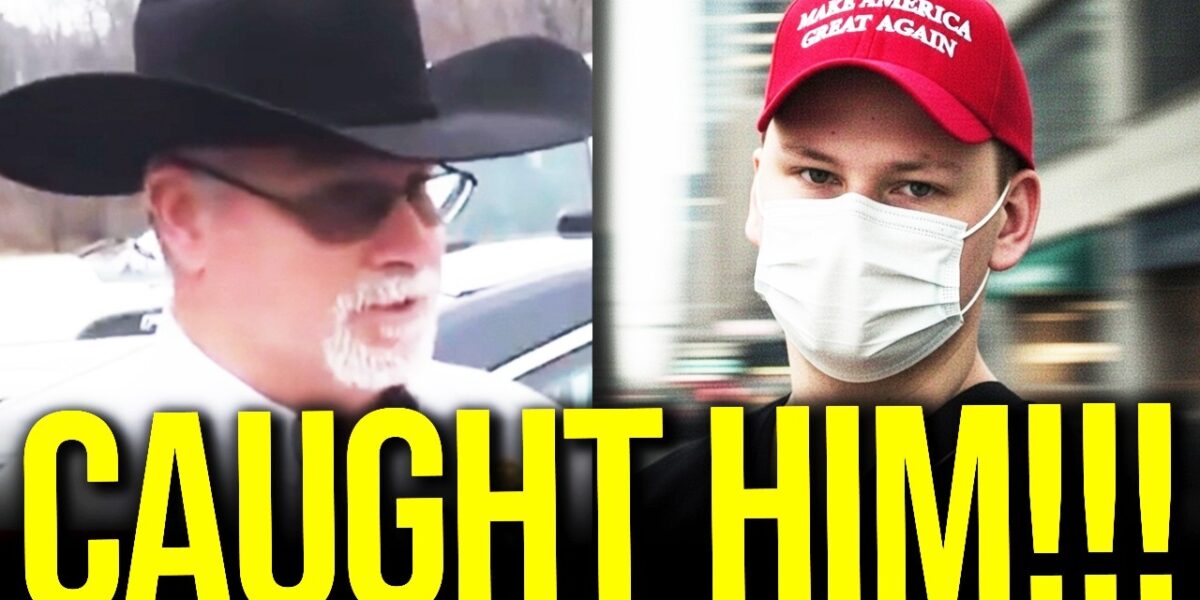
Ohio Mayor Wesley Dingis Arrested on Voyeurism Charges, Igniting Scrutiny Over Public Official Conduct and ‘Family Values’
BUTLER, OHIO – A small village in Ohio has found itself at the center of a national conversation following the arrest of its mayor, Wesley Dingis, on charges of voyeurism. The allegations, stemming from a hidden camera purportedly catching the local leader engaged in disturbing conduct involving a minor’s personal belongings, have sent shockwaves through the community and beyond. The incident has not only cast a harsh light on the conduct of public officials but has also reignited a broader debate about political ethics, accountability, and the perceived hypocrisy surrounding certain political factions often associated with ‘family values’ rhetoric.
Mayor Dingis, who has been identified as a ‘MAGA-aligned’ official, was reportedly charged after video evidence surfaced showing him allegedly sniffing a teenage girl’s underwear. The revelation has quickly gone viral, drawing widespread attention to the village of Butler and prompting an examination of a troubling pattern that critics argue is becoming increasingly prevalent among certain politically aligned figures.
The Shocking Allegations in Butler, Ohio
The details surrounding Mayor Dingis’s arrest are unsettling. According to initial reports, a Richland County Sheriff’s Office sergeant was contacted by Children’s Services on January 13th regarding a video showing an adult male in a child’s bedroom, picking up her underwear, and smelling it. The male was identified as Wesley Dingis, the mayor of Butler, Ohio.
The victim, a teenage girl, had reportedly grown suspicious that Dingis had been entering her bedroom without permission when she was not home. Taking proactive measures, she purchased a small video camera and discreetly set it up in her room. Her suspicions were tragically confirmed when she received a motion detection notification on her phone approximately 15 minutes after leaving school one day. Upon reviewing the footage, she witnessed the alleged acts that led to the charges.
Following the discovery, a Richland County Sheriff’s deputy and a representative from Richland County Children’s Services visited the victim’s high school to speak with her. Their subsequent report corroborated the victim’s account and the video evidence. Mayor Dingis was later released, with a court appearance scheduled in Mansfield Municipal Court.
The Chief of Police for Butler, Eric Windbickler, confirmed that the village council was aware of the incident and the charges, indicating that discussions about the matter would take place soon. The Richland County Sheriff’s Office, while not providing extensive immediate details, stated that their report ‘speaks for itself,’ suggesting the evidence is substantial.
A Perceived Pattern: Public Officials and Allegations of Misconduct
The arrest of Mayor Dingis has, for many observers, not emerged in isolation. Instead, it has been highlighted as part of what some critics describe as a disturbing and recurring pattern of elected officials, particularly those aligned with the ‘MAGA’ or ‘America First’ movements, facing serious charges related to sexual misconduct, often involving minors. This alleged pattern has fueled a narrative questioning the integrity and moral compass of individuals who often campaign on platforms emphasizing traditional values and the protection of children.
Case Studies Fueling the Debate:
R.J. May (South Carolina State Representative): A prominent figure lauded by ‘Moms for Liberty’ as their State Representative of the Year in 2023, May’s political career took a severe hit when he was charged with multiple crimes related to children. The irony was palpable: a politician whose public platform heavily emphasized ‘protecting the kids’ found himself on the other side of such allegations. This case, like Dingis’s, underscores a stark contradiction between public persona and alleged private conduct.
Matt Gaetz (Florida Congressman): A high-profile Republican congressman, Gaetz has faced serious allegations of sexual misconduct, including reportedly sleeping with a 17-year-old girl. While Gaetz has vehemently denied the accusations, the ongoing investigation and the shadow cast over his political career have made him a recurring example in discussions about ethical failings among public officials. The fact that he was once considered for a top position within the Department of Justice, despite these allegations, further amplifies concerns about accountability.
James Fishbach (Florida Political Figure): Another individual identified with the ‘MAGA America First’ alignment, Fishbach has faced serious allegations of having a relationship with a 17-year-old when he was 27. Such cases contribute to the perception that age disparities and power dynamics are sometimes exploited, leading to ethical and legal breaches.
Justin Eorn (Minnesota State Senator): The case of Justin Eorn, a MAGA Republican state senator, offers a particularly striking example of perceived hypocrisy. Eorn resigned from the Minnesota Senate after being charged with soliciting sex from a minor. What made his case even more notable was the timing: he was arrested on the very same day he attempted to introduce legislation that would recognize ‘Trump Derangement Syndrome’ as a mental illness. This juxtaposition of legislative focus and personal conduct became a powerful symbol for critics.
These examples, alongside the recent charges against Mayor Dingis, are frequently cited by those who argue that a segment of the political landscape, despite its vocal adherence to certain moral principles, appears disproportionately affected by allegations of misconduct involving minors. This perceived trend challenges the very foundation of the ‘family values’ platform often championed by these political figures, leading to accusations of profound hypocrisy and a crisis of integrity.
Beyond Sexual Misconduct: Harassment of Minors at Political Protests
The discussion around the conduct of MAGA-aligned individuals and minors extends beyond allegations of sexual misconduct to instances of harassment and assault at political protests. Recent years have seen numerous reports and viral videos depicting adults, often identified as supporters of the ‘America First’ agenda, engaging in aggressive and confrontational behavior towards children participating in student-led demonstrations.
One particularly egregious example cited involves adults harassing students at ‘ICE walkout’ protests, where high school and middle school students demonstrate against immigration policies. In multiple documented incidents, adults have been filmed verbally abusing and even physically assaulting minors. One viral video captured a grown man, identified as a pro-ICE supporter, engaging in a physical altercation with a minor after allegedly being provoked by a thrown water bottle. This individual was subsequently arrested for assault on a minor.
Another incident involved a woman allegedly punching kids while confronting them with phones, proclaiming her pro-MAGA and pro-ICE stance. These events raise serious questions about the appropriate boundaries of political engagement, especially when adults confront children, and highlight a worrying trend of escalating aggression in political discourse that sometimes spills over into direct confrontation with minors.
Critics argue that such behavior demonstrates a fundamental disregard for the safety and well-being of children, especially when it comes from individuals who often claim to represent a movement focused on ‘protecting the kids.’ The stark contrast between rhetoric and action in these instances further fuels the narrative of hypocrisy and a breakdown of civic norms.
The Shadow of Jeffrey Epstein and Broader Accountability Concerns
The conversation about official misconduct and the protection of children invariably leads to the broader, more systemic issues highlighted by the Jeffrey Epstein scandal. The recent unsealing of documents related to Epstein’s network has intensified public demand for transparency and accountability, particularly regarding high-profile individuals allegedly connected to his illicit activities.
The transcript explicitly links the current discussion to Donald Trump, suggesting that he is ‘actively protecting either pedophiles or protecting himself or both with the Epstein files.’ While the specific nature of this protection is debated, the public’s perception of a cover-up is undeniable. Polling data cited in the discussion indicates that a significant majority of Americans – 70% – believe something is being concealed in the Epstein files. Furthermore, 52% of Americans reportedly believe Trump is hiding something related to the case.
This widespread distrust is not limited to the Epstein case but extends to a general sense that powerful figures are often shielded from justice. The frustration is compounded when compared to international efforts, such as French prosecutors actively investigating diplomats and revisiting earlier probes as part of the Epstein inquiry. Many Americans express bewilderment and disappointment that similar vigorous pursuit of justice does not appear to be happening domestically, creating a perception of a ‘massive cover-up taking place by the federal government.’
The Epstein saga, with its long list of powerful individuals implicated and the pervasive sense of unaddressed culpability, serves as a grim backdrop to individual cases like Mayor Dingis’s. It reinforces the public’s cynicism regarding the accountability of elites and the perceived double standards in the justice system, particularly when it comes to allegations of child exploitation.
‘MAGA Family Values’ Under Scrutiny: A Crisis of Credibility?
The repeated invocation of ‘MAGA family values’ in the context of these allegations highlights a central point of contention for critics: the perceived hypocrisy of a political movement that often champions traditional moral values while simultaneously seeing its members embroiled in scandals that directly contradict those very principles.
The ‘family values’ platform typically emphasizes parental rights, the sanctity of childhood, and conservative moral codes. When individuals who publicly espouse these values are accused of voyeurism, soliciting minors, or assaulting children at protests, it creates a profound disconnect between rhetoric and reality. This dissonance not only undermines the credibility of the individuals involved but also casts a shadow over the broader movement they represent.
For many, these incidents are not isolated aberrations but rather symptomatic of a deeper ethical crisis. They prompt questions about the vetting process for public officials, the standards of conduct expected from those in power, and the mechanisms of accountability when those standards are breached. The public’s trust in institutions and leaders is eroded when such a stark contrast emerges between professed values and alleged actions.
The Path Forward: Accountability and Rebuilding Trust
The arrest of Mayor Wesley Dingis, while a localized incident, resonates within a larger national dialogue about political integrity, the protection of children, and the accountability of public officials. It underscores the urgent need for transparent investigations, fair legal processes, and a commitment to upholding ethical standards for all individuals in positions of power, regardless of their political affiliation.
As the legal proceedings against Mayor Dingis unfold, the community of Butler, Ohio, and indeed the nation, will be watching closely. The outcome will not only determine the fate of one local official but will also contribute to the ongoing narrative about justice, hypocrisy, and the struggle to rebuild public trust in an increasingly polarized and skeptical society. The incidents discussed collectively demand a rigorous re-evaluation of how public officials are held to account and what ‘family values’ truly signify in contemporary political discourse.
Source: MAGA Mayor ARRESTED after Hidden Cam CATCHES HIM! (YouTube)

Related Articles

MAGA’s Playbook: How Democrats Can Unite and Conquer
Charles Duhigg analyzes the MAGA movement's organizational prowess, suggesting Democrats can learn from its 'big tent' approach and volunteer empowerment strategies. The piece contrasts mobilizing with organizing and explores the crucial balance between ideological purity and coalition-building for electoral success.

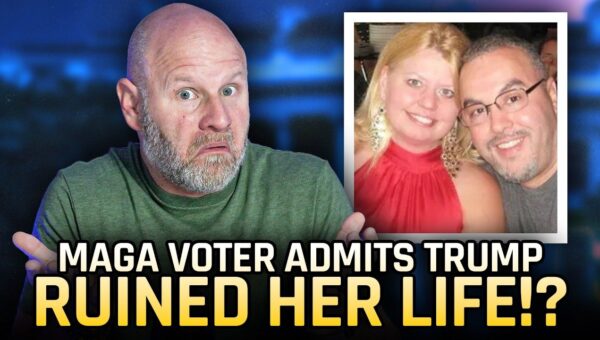
MAGA Voters Realize Trump’s Policies Devastated Their Lives
A New Jersey couple, formerly strong MAGA supporters, are speaking out after Donald Trump's immigration policies led to the husband's 108-day detention and current house arrest. Abdelatif Hafari, a legal resident for 38 years, was detained over a decade-old missed court date, resulting in job loss and severe personal distress for the couple.


MAGA’s Shift: From Isolationism to Neoconservative Foreign Policy
The MAGA movement, once a staunch advocate for "America First" isolationism, shows signs of adopting neoconservative foreign policy stances. Discussions now include potential interventions in the Middle East, shifting from an earlier rejection of foreign entanglements.