NYC Mayor Faces Tax Hikes Amid Budget Crisis
New York City Mayor Eric Adams is facing a budget crisis that may lead to significant tax increases, including a proposed 51% rise in the top marginal tax rate. Critics point to campaign promises clashing with the city's fiscal reality, potentially impacting middle-class residents and businesses.

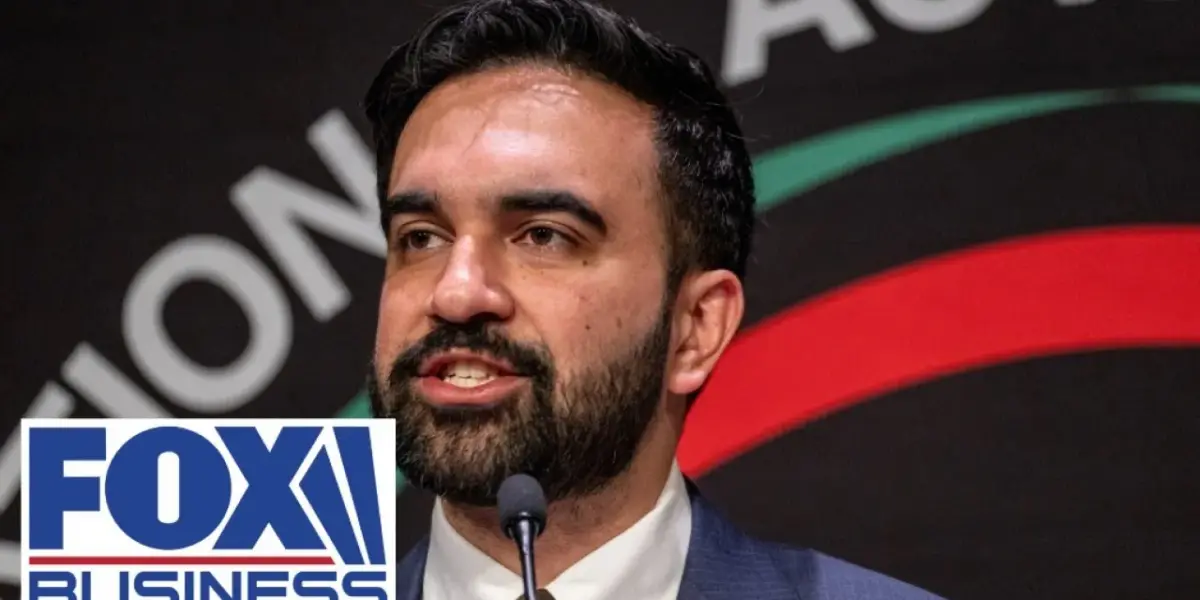
NYC Mayor Faces Tax Hikes Amid Budget Crisis
New York City Mayor Eric Adams is facing significant challenges as his administration grapples with a budget crisis, potentially leading to substantial tax increases for residents. This situation has drawn criticism and raised questions about the mayor’s fiscal management, with some suggesting he may be experiencing “buyer’s remorse” over campaign promises.
Campaign Promises vs. Fiscal Reality
During his campaign, Mayor Adams made several promises, including cleaning up Manhattan, lowering taxes, and reducing crime by seeking federal assistance. However, the city’s current financial state appears to make fulfilling these pledges difficult. Reports indicate the city has a significant budget deficit, forcing difficult choices.
Proposed Tax Increases Spark Concern
A key point of contention is the mayor’s proposed tax hikes. One significant proposal involves raising the top marginal tax rate from 3.9% to 5.9%. While this might seem like a small increase, it represents a 51% jump in the tax rate for those affected. Additionally, an inheritance tax is being considered, which could impact middle-class families who have owned property for decades and whose homes have significantly increased in value.
“He’s going to have to raise property taxes, and it treats everyone in the city, not just the wealthiest… but all he can do is the property tax thing.”
Critics argue that these tax increases, particularly property taxes, will disproportionately affect middle-class New Yorkers, not just the wealthiest. This contradicts the expectation that such measures would primarily target high-income earners. The city’s financial constraints mean that the mayor’s options are limited, with property taxes being a primary recourse.
Budget Shortfall and Unmet Promises
The city’s budget crisis is partly attributed to what some describe as a pattern of excessive spending. For instance, the practice of spending significant amounts on housing homeless individuals in luxury Manhattan hotels, while a more cost-effective solution might exist elsewhere in the state, has been highlighted. The pandemic exacerbated existing spending issues, and investigations are revealing instances of misspent funds, often linked to Democratic administrations.
Broader Political Context
The discussions around New York City’s finances are happening within a larger national political conversation. There’s a debate about the direction of the Democratic Party, with some suggesting that the party’s unity has been built on opposition to figures like Donald Trump. As attention shifts, there’s speculation about whether this unity will hold or if the party might splinter without a common antagonist.
Focus on Crime and National Security
Crime remains a significant concern, both in New York City and across the nation. Reports of upticks in crime, sometimes involving migrants, are fueling debate about immigration policies. On a national level, the conflict involving Iran has also become a focal point. Some analysts suggest that actions taken by former President Donald Trump regarding Iran were driven by a belief in doing what is right for national security, rather than political gain.
Market Impact
For investors, the situation in New York City highlights potential headwinds for the local economy if tax burdens increase significantly. Higher taxes could impact consumer spending and business investment. Nationally, geopolitical events, such as the conflict with Iran, can influence global markets, particularly energy prices. The effectiveness of government policies in managing budgets and crime also plays a role in economic stability and investor confidence.
What Investors Should Know
Investors should monitor how New York City’s budget situation evolves. Significant tax increases could affect real estate values and the performance of businesses operating within the city. Furthermore, ongoing discussions about national economic policy, foreign relations, and crime rates can all contribute to market volatility. Understanding these interconnected factors is crucial for making informed investment decisions.
Source: Mayor Mamdani is getting some buyer's remorse, Caroline Downey says (YouTube)

Related Articles

Mayor Pulls Back Free Bus Plan Amid Budget Reality
New York City Mayor Zohran Mamdani is scaling back his ambitious free bus plan to a limited pilot program due to significant fiscal realities. The rollback highlights tensions between progressive goals and budget constraints, as public sentiment grows regarding high taxes and government spending.


City Birders Flock to Bryant Park for Rare Woodcock Sighting
A rare American woodcock has become a surprise celebrity in New York City's Bryant Park, drawing crowds and fostering a sense of community. The shy bird's visit highlights New Yorkers' desire for connection with nature amidst the urban bustle.


Queens Pizzeria Owner Becomes Symbol of Resilience Amidst Crime Surge
A Queens pizzeria owner bravely defended customers from an attacker with a box cutter, highlighting rising safety concerns. This incident, which occurred despite the owner and his father previously being stabbed, underscores the risks faced by small businesses and the community's resilience.