NY Tax Hike Sparks Dem Rift: ‘Soak the Rich’ Plan Divides Party
New York Democrats are divided over proposals to raise taxes on high earners, sparking concerns about capital flight and economic impact. A debate over lowering the estate tax exemption highlights the party's internal struggles.

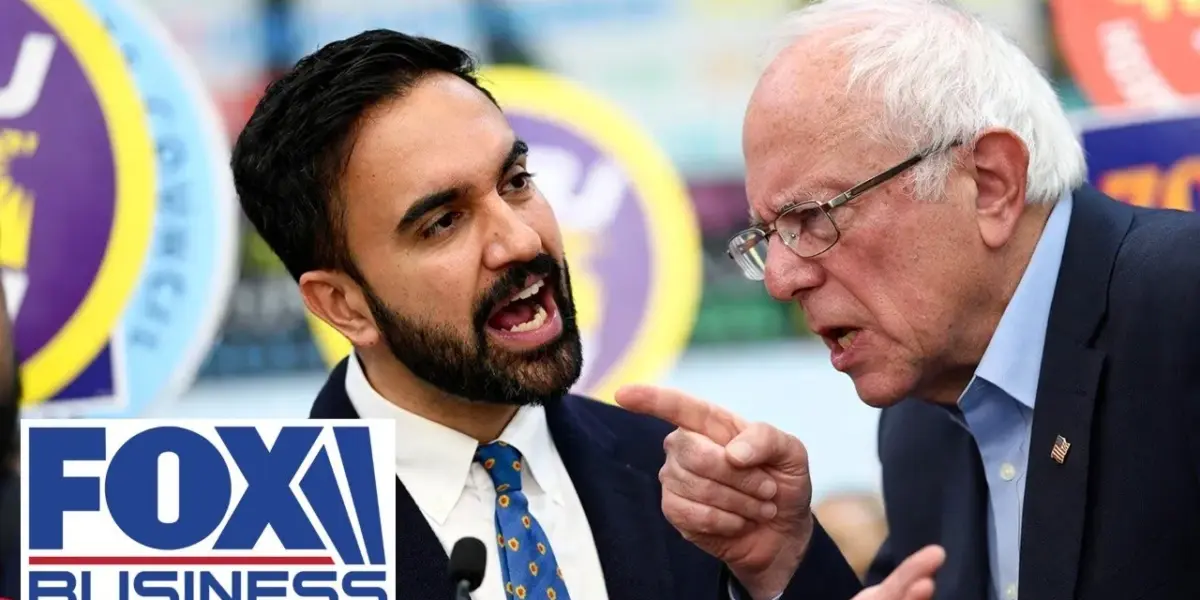
Democrats Divided Over New York Tax Proposals
A push to significantly increase taxes on wealthy New Yorkers is creating a rift within the Democratic party, pitting progressive lawmakers against more moderate figures concerned about the economic impact. The debate, highlighted by the absence of a key progressive lawmaker from a recent rally, reveals deep disagreements on how to fund state services and whether higher taxes on the rich will ultimately harm the state’s tax base.
‘Tax the Rich’ Rally Sees Key Progressive Absent
State Assemblyman Zohran Mamdani, a vocal advocate for higher taxes on high earners, recently held a “Tax the Rich” rally in New York City. However, a notable absence was Governor Kathy Hochul, who is up for re-election. While Mamdani has built his career on advocating for increased taxes on the wealthy, Governor Hochul faces a delicate balancing act. She needs to appeal to her tax base, which includes many high-income earners, while also supporting progressive policies that might alienate them.
The Estate Tax Debate
A central point of contention is a proposal to lower the estate tax exemption from $7 million to $750,000. This change would affect a much broader group of New Yorkers, potentially including those who own a modest home. Critics argue that wealthy individuals can use trusts to avoid estate taxes, leaving middle-class families to bear the brunt of the tax increase. The proposal also seeks to dramatically raise the tax rate on estates, impacting even those who have saved money throughout their lives.
“The tax base erodes with the top 1% in New York paying over half the taxes. You cannot move in this direction.”
Concerns Over Capital Flight
Critics warn that such aggressive tax policies could drive wealthy residents and businesses out of New York, a phenomenon known as capital flight. This has reportedly already happened in states like Maryland, California, and Washington. Lou, a commentator on the issue, used a simple analogy: “Take a bucket of water, fill it up with water and start drilling holes in the bottom and see if you keep drilling more holes you can pour more water.” He argues that as high earners leave, the state’s tax revenue decreases, making it harder to fund essential services.
California, for example, has seen six to seven billionaires leave, resulting in a loss of approximately $26 billion in tax revenue. This exodus is seen by some as a potential wake-up call for voters, possibly leading to a shift in political alignment, as suggested by one commentator who hopes for a Republican governor to correct the course.
Homeless Shelter Proposal Sparks Local Opposition
The debate over progressive policies extends beyond taxation. In Brooklyn, residents are protesting the establishment of a homeless shelter in their community. While the project was in development for some time, the local opposition highlights a common sentiment: residents may support social justice initiatives in principle but resist their direct impact on their own neighborhoods. This reaction, according to some, is a consequence of electing officials who champion such policies.
Differing Views on Economic Experimentation
Within the progressive camp, there are those who advocate for even more radical policies. One individual expressed a desire to see taxes raised to 100% to observe the full impact of such an experiment. This perspective suggests a belief that current tax levels are insufficient and that businesses should be tested to see if they would indeed leave the state as predicted.
However, this view is met with skepticism, as it’s pointed out that individuals who don’t pay high taxes are less concerned about the outcomes. The core of the argument against the “soak the rich” approach is that once the wealthy depart, the burden will inevitably shift to the middle and lower classes, contradicting the stated goals of helping those in need.
The Path Forward for New York
The ongoing tax fight in New York underscores a fundamental disagreement about economic policy. While progressives aim to fund social programs through increased taxes on the wealthy, moderates and fiscal conservatives worry about the long-term consequences for the state’s economy. The political maneuvering between figures like Assemblyman Mamdani and Governor Hochul reflects the broader challenges Democrats face in balancing their party’s diverse interests.
Businesses are urged to speak out against policies that could harm them. The sheer numbers of potential budget shortfalls resulting from capital flight are significant. For instance, if $1 billion leaves, it directly impacts the state’s entire budget. The situation is complex, and finding a middle ground that supports social programs without driving away the economic engine of the state remains a critical challenge.
Source: HIGH-PROFILE DIVIDE: Democrats FRACTURE as tax fight HEATS UP fast (YouTube)

Related Articles
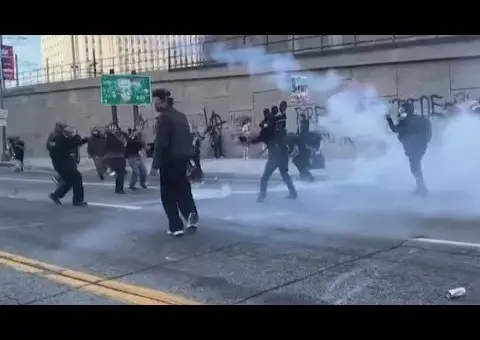
Protest Tactics Fuel Election Battles, Divide Parties
Protests, some marred by violence, are igniting fierce debate within the Democratic Party. As election season heats up, strategists grapple with distancing themselves from radical elements while trying to energize their base. The core question is whether these movements help or hurt their chances at the ballot box.


Dem Congresswoman Slams GOP Over DHS Shutdown Stalemate
Maryland Democratic Congresswoman Glenn Ivey is urging Republicans to unite and end the ongoing Department of Homeland Security shutdown, now the longest in U.S. history. She criticized the lack of agreement between House and Senate Republicans, calling on the White House to take a stronger leadership role in brokering a deal. Ivey also pushed back against misinformation, emphasizing Democrats' push for constitutional protections.

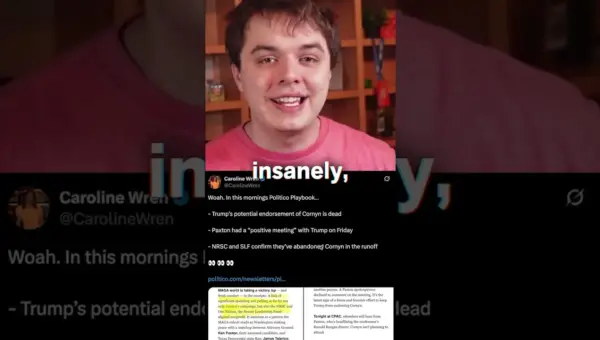
Trump Backs Corrupt Texas Candidate, Risks Seat
Donald Trump's decision to endorse Ken Paxton, a candidate facing fraud charges, in a Texas Senate runoff has dramatically shifted election odds. What was once a strong Republican lead is now a 50/50 race, with Democrats seeing a potential opening.