NY Fed Chief: Private Credit Risk Not Systemic
New York Fed President John Williams stated that while the Fed is closely monitoring the private credit market, he doesn't see it as a systemic risk to the U.S. financial system. This comes as some funds, like Blue Owl, face high redemption requests from investors concerned about AI's impact on software companies.

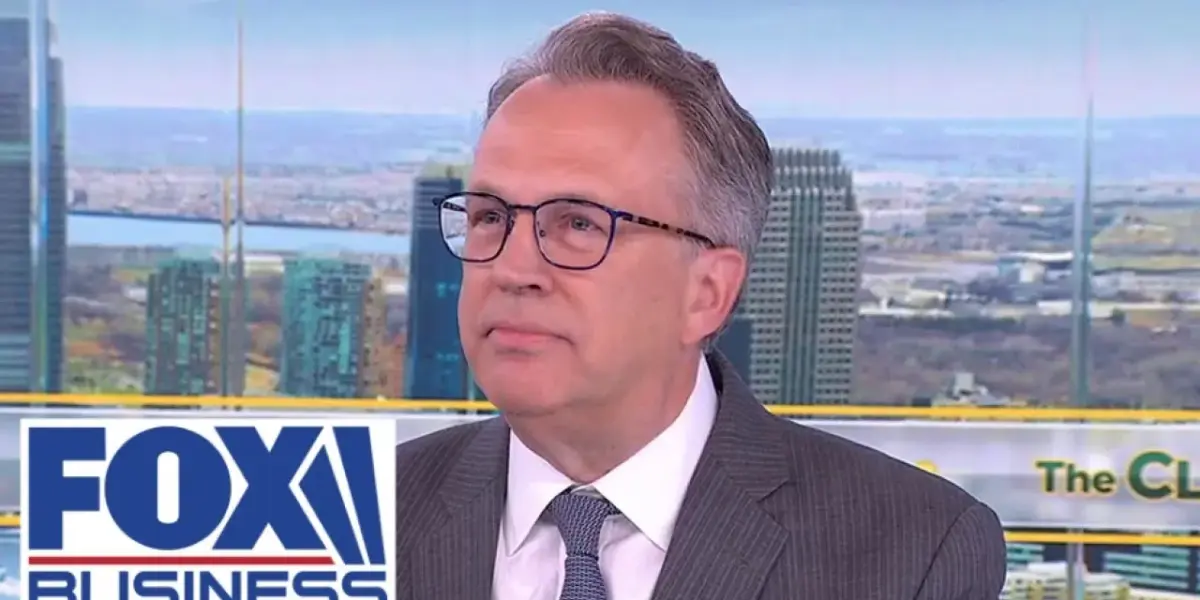
NY Fed Chief: Private Credit Risk Not Systemic
New York Federal Reserve President John Williams stated that while the Federal Reserve is watching developments in the private credit market closely, he does not see it as a systemic risk to the U.S. financial system at this time. This comes as some private credit funds, including those managed by Blue Owl, have experienced significant redemption requests from investors.
Blue Owl Sees High Redemption Requests
Blue Owl, an investment firm, reported that its flagship fund, which manages about $36 billion, received requests to redeem shares equivalent to 21.9% of its outstanding shares in the first quarter. A smaller fund managed by Blue Owl, with $6.2 billion in assets, saw even higher redemption requests, with investors wanting back 40.7% of their money during the same period. Blue Owl has placed limits on these redemption requests, capping them at 5% for both funds. The company noted in a letter to shareholders that these higher-than-usual requests stem from investor concerns about potential disruptions to software companies caused by artificial intelligence (AI). Private credit firms often lend money to these companies at higher interest rates, making them sensitive to market shifts.
Williams: Private Credit Structure Limits Systemic Risk
When asked if the private credit market poses a systemic risk, President Williams explained that the structure of these funds actually helps reduce this risk. He compared it to private equity, where similar restrictions on redemptions are common. These restrictions mean investors cannot simply pull out all their money at once, which can prevent a rapid sell-off that could destabilize the broader market. Williams emphasized that the Fed is carefully monitoring the situation to understand it fully.
Focus on Bank Exposure
A key concern for the Federal Reserve is the extent to which traditional banks are exposed to the private credit market. Banks often lend money to private credit firms, and any significant problems in private credit could potentially spill over into the banking sector. Williams stated that the Fed is studying this exposure to ensure it does not become a larger problem. However, he reiterated that, for now, he does not view private credit as a systemic risk to the overall U.S. financial system.
No ‘Too Big to Fail’ Concerns
Regarding large investment firms like Blackstone, BlackRock, and Apollo, which also have private credit funds that have seen increased redemption requests, Williams dismissed concerns that any single firm is “too big to fail.” He pointed to the clear reasons behind the redemption requests, such as the repricing of investments and loans, especially those made to technology and software companies. These types of loans are often considered medium-risk, and as market views on their value change, adjustments are expected.
Fed’s Focus Remains on Economic Goals
In a separate discussion, Williams addressed the Federal Reserve’s focus amidst broader economic challenges, including rising gasoline prices. He stressed that the Fed remains 100% focused on its mission: controlling inflation and promoting employment. He noted that his 31 years at the Fed, working with different chairs and colleagues, have taught him the importance of concentrating on the job at hand. The goal is to get the best analysis and make the right decisions for the economy.
Interest Rate Outlook Remains Data-Dependent
When questioned about the future direction of interest rates, Williams maintained the Fed’s data-dependent approach. He stated that monetary policy decisions will be guided by incoming economic data and the progress made toward achieving the Fed’s goals. Currently, monetary policy is seen as appropriately positioned, and the Fed will wait to see how economic conditions evolve.
What Investors Should Know
- Private Credit Market: This market involves lending to companies, often those not served by traditional banks. It typically offers higher interest rates but comes with less liquidity (meaning it’s harder to sell quickly).
- Redemption Requests: When investors ask for their money back from a fund. High redemption requests can signal investor concern or a need for cash.
- Systemic Risk: The danger that the failure of one financial institution or market could cause a collapse of the entire financial system.
- What’s Happening: Some private credit funds are seeing more investors ask for their money back. This is partly due to concerns about how AI might affect software companies, which many private credit funds lend to.
- Fed’s View: The head of the New York Fed believes this is not a major threat to the overall financial system because of how these funds are structured. He is, however, watching how much banks are involved.
- Interest Rates: The Fed is still waiting for more economic data before deciding whether to raise or lower interest rates.
Source: NY Fed president: Don't see this as a 'systemic' risk (YouTube)

Related Articles

NY Fed Warns Oil Shock May Boost Inflation, Slow Economy
New York Fed President John Williams warned that rising oil prices, fueled by the Iran conflict, could increase inflation and slow economic growth. While jobless claims fell, the Fed is watching for broader economic impacts and maintaining its 2% inflation target.

OpenAI’s Valuation Strains as Memory Stocks Rebound
OpenAI faces valuation challenges with high guaranteed returns and secondary market selling difficulties, while memory chip stocks rebound despite AI's impact. Private credit markets show signs of stabilization, but caution is advised.


Europe’s ‘Short-Sighted’ US Stance Fuels Market Jitters
Market strategist Mike Crane criticizes Europe's "short-sighted behavior" towards the U.S. and geopolitical threats, citing jealousy and a focus on diplomacy over security. He warns that Europe's energy policies and reluctance to address issues like the Strait of Hormuz could lead to instability, while also noting shifts in global finance from U.S. Treasuries to gold.