NY Estate Tax Hike Could Hit Middle Class
New York Mayor Zohran Mamdani's proposal to slash the estate tax exemption to $750,000 and hike rates to 50% could burden the middle class and drive wealth out of state. Critics warn of reduced revenue and diminished economic competitiveness.

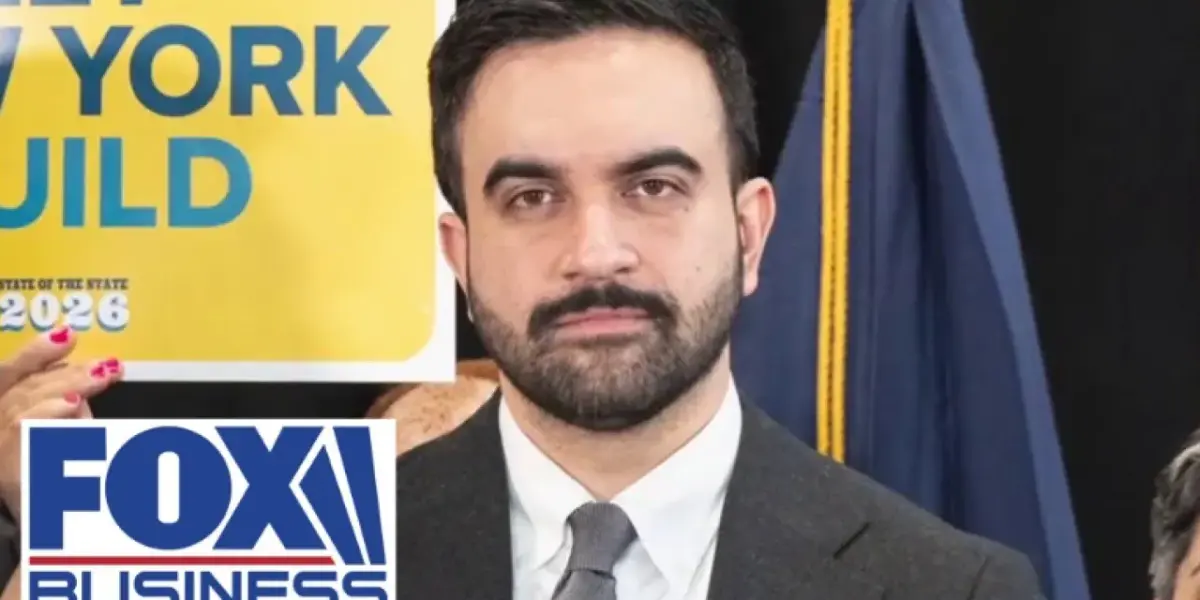
New York Proposal Slashes Estate Tax Exemption, Raising Concerns
New York City Mayor Zohran Mamdani is spearheading a significant overhaul of the state’s estate tax, proposing a drastic reduction in the exemption threshold that could impact a broader segment of New Yorkers, including the middle class. The proposal, aimed at addressing a substantial city budget deficit, has drawn sharp criticism from financial observers and the business community.
Drastic Cut to Exemption Threshold
Under the current New York estate tax law, individuals can pass on assets valued up to just over $7 million without incurring state-level estate taxes. However, Mayor Mamdani’s plan seeks to slash this exemption by nearly 90%, lowering the threshold to $750,000. This substantial decrease means that a far larger number of estates would become subject to the state’s estate tax.
Proposed Increase in Tax Rate
Complementing the reduced exemption, the proposal also calls for a significant increase in the top estate tax rate. Currently, New York’s highest estate tax rate stands at 16%. Mamdani’s plan would more than triple this, raising the top rate to 50%. This would place New York’s estate tax rate among the highest in the nation, far exceeding the federal estate tax rate, which is capped at 40% for the highest estates.
New York’s Unique Position
New York is one of a limited number of states, alongside the District of Columbia, that impose their own estate taxes separate from the federal estate tax. The highest state-level estate tax rate currently is 20%, found in Hawaii and Washington. A jump to a 50% top rate would set New York apart significantly, potentially creating a less competitive environment for wealthy individuals and their heirs.
Concerns Over Revenue and Mobility
New York City Comptroller Brad Lander has voiced strong reservations about the proposal, warning that it could inadvertently drive residents away from the state. “I do think that nationally we should release the estate tax both to bring more revenue and for equity reasons and we should be very, very careful about doing it just in New York because people are mobile and they are potentially more mobile in their life when their kids are grown and they may be retired and it would really undermine the whole purpose of a move like that if people left. We actually get less revenue. That be bad for everybody,” Lander stated. This sentiment highlights the risk that, in an effort to increase revenue, the state might actually see a decrease as individuals relocate their assets or residency to more tax-advantageous jurisdictions.
Business Community’s Opposition
The business community has also been vocal in its opposition. Phil Ackman, a prominent figure, criticized the strategy, suggesting it could make New York City an unattractive place to live and even to pass away. This perspective underscores concerns about the broader economic implications of such a tax policy, including its potential to deter investment and talent.
Addressing the Budget Deficit
Mayor Mamdani’s proposal is presented as a measure to help close a significant $5.4 billion city budget deficit for the upcoming fiscal year, which begins on July 1. The estate tax changes are one of several potential avenues being explored to shore up the city’s finances.
Market Impact and Investor Considerations
What Investors Should Know:
- Increased Tax Burden: The proposed reduction in the estate tax exemption from over $7 million to $750,000 means that a much larger number of estates will be subject to taxation in New York.
- High Tax Rates: The potential rise in the top estate tax rate from 16% to 50% would make New York one of the most expensive states for estate taxes.
- Geographic Arbitrage: Wealthy individuals and families may consider relocating their residency or assets to states with lower or no estate taxes to avoid the significantly higher burden in New York.
- Economic Competitiveness: Critics argue that such aggressive tax policies could harm New York’s economic competitiveness, potentially leading to a loss of high-net-worth individuals and their associated economic activity.
- Budgetary Solutions: Investors should monitor how New York plans to address its substantial budget deficit, as tax policy changes are often a key component of such efforts.
Long-Term Implications
While the immediate goal is to address a short-term budget shortfall, the long-term implications of such a drastic change to estate tax policy could be profound. It raises questions about New York’s attractiveness as a place to live and conduct business for affluent individuals and families. The success of this proposal hinges not only on its passage but also on its actual revenue-generating capacity, which could be significantly impacted by taxpayer mobility.
Source: Mamdani's 'DRASTIC' new tax changes hit a lot more than just the rich (YouTube)

Related Articles


Gilgo Beach Killer Nears Confession, Ending Long Wait
Rex Heuermann, accused in the Gilgo Beach serial killings, is reportedly expected to plead guilty to seven murders. This potential confession could bring long-awaited closure to the victims' families after years of investigation and uncertainty.


Red States Face Tax Dilemma as Voters Demand Services
Voters in Republican-led states are signaling a change in priorities, indicating they'd rather pay higher taxes for essential services like roads and schools than continue with tax cuts. This marks a significant shift from decades of anti-tax rhetoric and presents a new challenge for politicians.


Property Taxes Soar: Which States Feel the Pinch?
Property taxes are surging across the U.S., with Florida seeing a 47% jump since 2019. While rising home values play a role, tax policies are a major driver, leading 16 states to consider reforms. This trend adds significant financial pressure on homeowners already facing higher mortgage and insurance costs.