NY Auto Show: US Factories Fueling Future Car Designs
The New York Auto Show highlighted new vehicle models and a strong focus on U.S. manufacturing. Automakers are investing in American factories to build trucks, SUVs, and performance cars, signaling a commitment to the domestic market and its consumers.

NY Auto Show: US Factories Fueling Future Car Designs
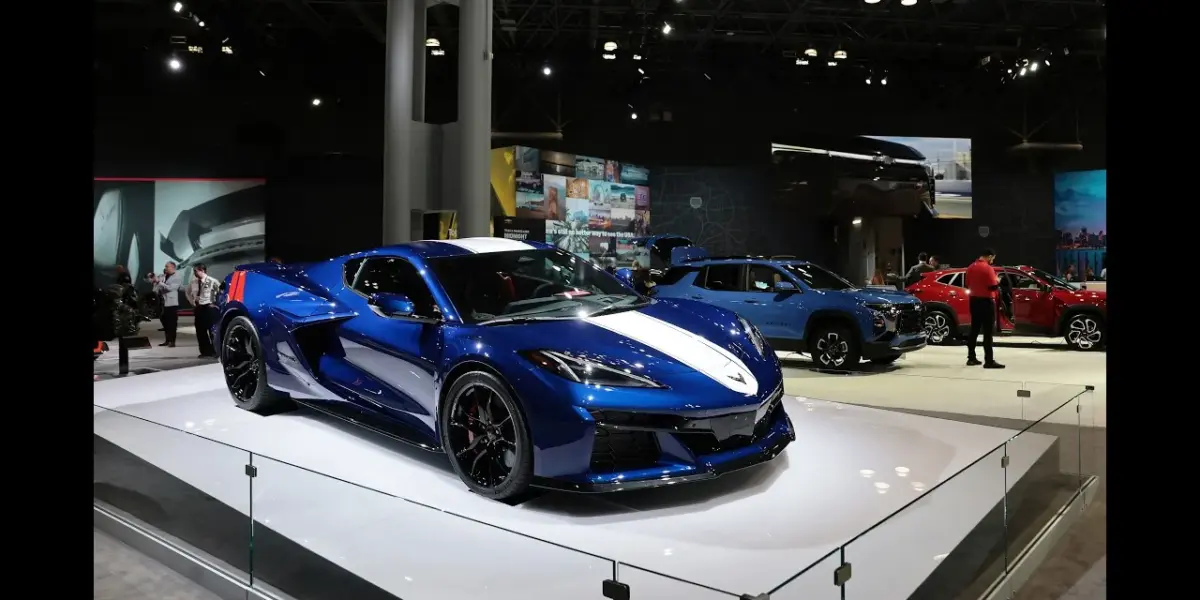
The New York Auto Show, North America’s oldest auto show, recently opened its doors for its 126th year. This year’s event highlighted new car models, exciting innovations, and a strong focus on manufacturing right here in the United States. Many of the vehicles shown off are built in American factories, signaling a commitment to domestic production.
Hyundai’s Bold Pickup Vision
Hyundai kicked things off with a world premiere of its Boulder Concept. This isn’t just about looks; Hyundai says the design is built on American values and lifestyles. It’s their first-ever body-on-frame concept vehicle, meaning it’s built on a strong truck chassis. This design gives them the flexibility to create different versions for various uses.
Hyundai plans to have its first midsize pickup truck built in the U.S. before 2030. They are serious about growing in the U.S. pickup market, which is the largest in the world for this type of vehicle. A company representative stated they are “doubling down, expanding our expectations and our operations and bringing more products to the U.S.” This shows a major investment in the American market.
Subaru and Infiniti Expand Offerings
Subaru also introduced two new SUVs, adding to their lineup for outdoor enthusiasts. These vehicles are designed for people who enjoy spending time in nature. Infiniti, a luxury brand, unveiled the all-new QX65 crossover. This is their first new model name in five years.
Infiniti described the QX65 as a five-seat premium vehicle that is central to the luxury market in the U.S. They emphasized its flexible and spacious interior, offering a lot of utility. The vehicle comes with a great engine and standard all-wheel drive. Its design language also hints at the older Infiniti FX model, blending heritage with modern versatility.
Nissan’s Path to Stability
Nissan, Infiniti’s parent company, has faced financial challenges and restructuring in recent years. At the show, they displayed several vehicles, showing their progress toward stability. They brought back popular models and new trim levels, including the Nismo Z with a returning six-speed manual transmission. This shows a renewed focus on performance and enthusiast-driven vehicles.
Nissan highlighted its manufacturing presence in North America, with plants in Smyrna, Tennessee, and Canton, Mississippi. Building cars in the U.S. helps them avoid potential tariffs, keeping prices stable for consumers. This strategy is crucial for their business and for maintaining competitive pricing.
American-Built Family and Performance Vehicles
Beyond these specific models, the show floor was filled with updated lineups from various automakers. Many highlighted three-row family SUVs, perfect for larger households, and performance-oriented cars for driving enthusiasts. A significant number of these vehicles are manufactured in the United States.
Volkswagen debuted its all-new 2027 Atlas, marking the second generation of this popular family SUV. They noted that the Atlas is primarily a “North American car,” designed with local preferences in mind. Toyota is also shifting towards hybrid power for its Camry, promising both efficiency and strong performance, along with its signature luxury and comfort.
Toyota also pointed out its U.S. manufacturing capabilities. While some RAV4 models are built in Japan, others come from their plants in Mississippi and Canada. This widespread North American production network ensures a steady supply of vehicles and supports local economies.
Why This Matters
The New York Auto Show’s emphasis on U.S. manufacturing is a significant trend. Automakers are increasingly choosing to build vehicles for the American market in American factories. This strategy offers several benefits. It can help reduce shipping costs and delivery times, making vehicles more readily available.
Building cars domestically also helps companies avoid import taxes and tariffs, which can keep prices lower for consumers. Furthermore, it creates jobs and boosts the economy in the regions where these factories are located. For consumers, it means more choices for vehicles that are designed and built with American needs and lifestyles in mind. This focus on local production suggests a long-term commitment from car companies to the U.S. market.
Looking Ahead
The auto industry is constantly evolving, but the message from the New York Auto Show is clear: U.S. manufacturing plays a vital role in its future. With new concepts and production plans, automakers are showing a strong interest in growing their presence here. The trend toward hybrid and more efficient vehicles continues, alongside the demand for versatile SUVs and performance cars.
As consumers, we can expect to see more vehicles designed and built closer to home. This focus on domestic production, combined with ongoing innovation, points to an exciting future for the automotive industry in America. The show, which ran through April 12th, offered a glimpse into what’s next on the road.
Source: New York Auto Show Spotlights Innovation, US Manufacturing (YouTube)

Related Articles
Corvette Food Truck Roars: Auto Show Serves Up Speed
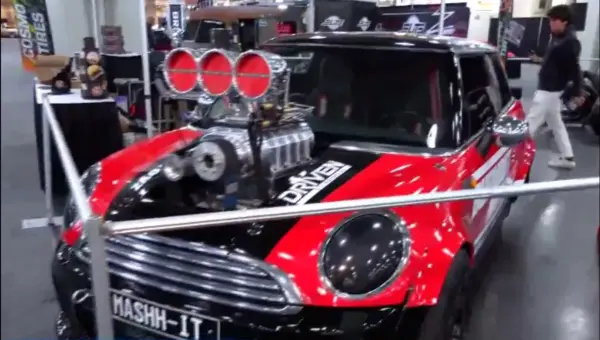
The New York International Auto Show unveiled unique vehicles, including the world's fastest food truck, a C8 Corvette modified to break speed records. The show also featured classic cars and high-performance vehicles, highlighting innovation and creativity in the automotive industry.
China’s Auto Parts: A Security Risk for America?
A new bill proposes to restrict Chinese auto parts and vehicles in the U.S., citing concerns over quality and data security. Experts suggest this could boost American jobs but might also increase costs for consumers. The debate highlights the growing tension between global trade and national interests.

Auto Show Drives Patriotism: America’s 250th Ignites New Designs
The New York Auto Show is celebrating America's 250th anniversary with special edition vehicles from major automakers. These cars blend patriotic designs with cutting-edge performance, showcasing American ingenuity and national pride. Some initiatives also support veterans organizations.