Nvidia’s DLSS 5 Sparks AI Face Backlash
Nvidia's new DLSS 5 technology promises photorealistic graphics but has faced backlash for its AI-generated character faces. CEO Jensen Huang defends the tech, citing developer control, but gamers remain skeptical. The optional feature launches this fall.

Nvidia’s DLSS 5 Sparks AI Face Backlash
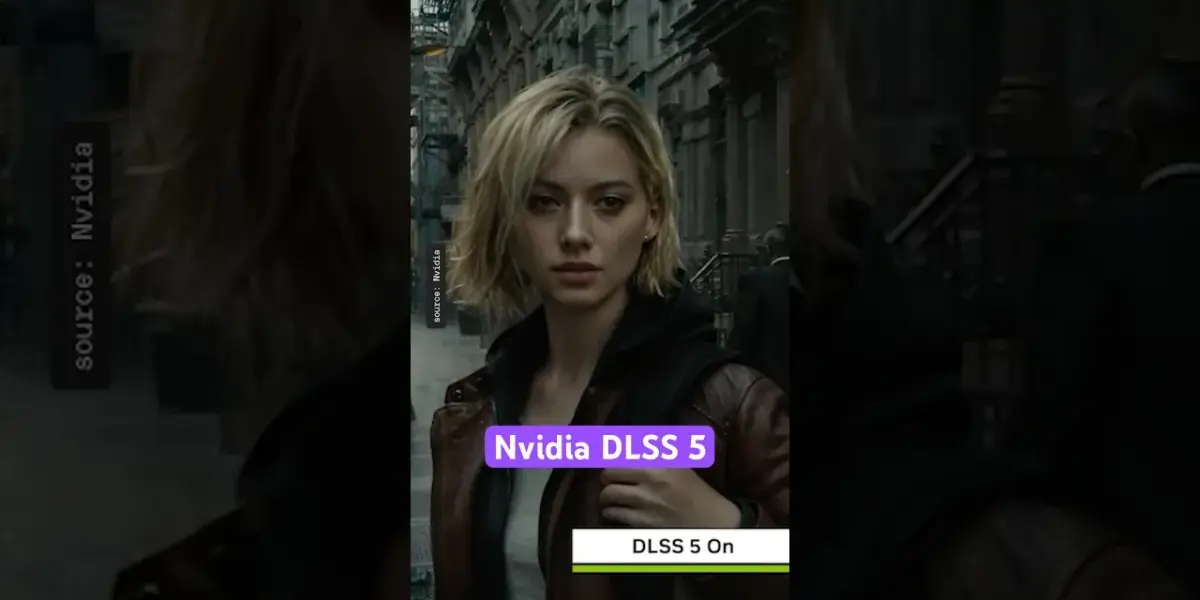
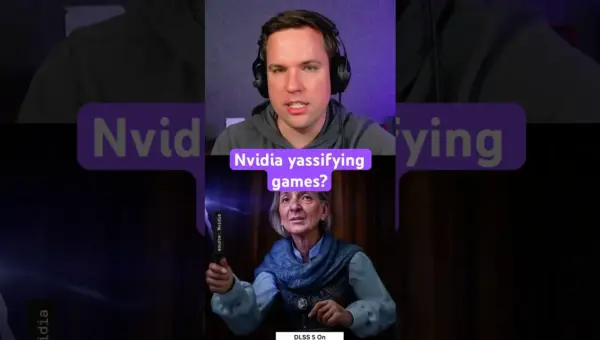
Nvidia is bringing AI-powered faces to gaming with its latest technology, DLSS 5. Announced this week, this new version of Nvidia’s upscaling tech promises to deliver a new level of photorealistic computer graphics. Nvidia claims it can achieve visual effects previously only seen in Hollywood movies. However, the initial examples shown have sparked significant criticism. Many feel the tech dramatically changes faces, giving them an unnatural, AI-generated look.
The controversial examples include Grace Ashcraftoft from Resident Evil Re:Verse, characters from Bethesda’s Starfield, and even real-life soccer player Virgil Van Dijk from EA Sports FC. The reaction online has been intense, with widespread criticism and a flood of memes mocking the new AI look. A major concern raised by critics is that this technology could lead to all game characters starting to look the same. As one tech writer put it, this happens when technology resembles ‘AI slop’.
Nvidia CEO Defends the Tech
Nvidia CEO Jensen Huang has pushed back against the criticism. During a press Q&A, he stated that the critiques are ‘completely wrong.’ Huang emphasized that developers will have the ability to ‘fine-tune’ the generative AI. This means they can adjust the AI’s output to better suit their artistic vision.
Nvidia’s GeForce PR team also clarified the situation to our colleagues. They explained that developers like Capcom, the maker of Resident Evil, have ‘detailed artistic control’ over their characters’ appearance. The company implied that game developers approved the changes shown for Resident Evil Re:Verse’s protagonist, Grace. Bethesda, the developer behind Starfield, stated that the footage shown was ‘a very early look.’ They also confirmed that DLSS 5 will be ‘totally optional for players’ in their games.
What Does This Mean for Gamers?
The core promise of DLSS (Deep Learning Super Sampling) has always been to improve gaming performance and visual quality. It works by using AI to upscale lower-resolution images to higher resolutions, making games look sharper and run smoother. DLSS 5 aims to take this a step further by using generative AI not just for upscaling but also for enhancing details and potentially creating new ones.
The controversy arises from how this generative AI is being applied to character models, particularly faces. Instead of just sharpening existing details, it seems to be re-rendering them, leading to the ‘AI look’ that has drawn criticism. Think of it like using a photo filter that drastically changes your features versus one that just cleans up the image. DLSS 5 appears to be leaning towards the former in its current demonstration.
Who Should Care?
Gamers who prioritize cutting-edge graphics and performance will want to keep an eye on DLSS 5. If Nvidia and developers can strike the right balance, it could lead to even more visually stunning games. Players who are sensitive to art style and character authenticity might be more hesitant. The option to turn it off, as promised by Bethesda, is a crucial detail for those who prefer traditional character designs.
Developers are also key stakeholders. The level of control they have over DLSS 5’s output will determine how it’s implemented. If they can truly fine-tune the AI, we might see DLSS 5 used in ways that enhance, rather than alter, character appearances.
Looking Ahead
Nvidia says DLSS 5 is set to launch in the fall. Whether faces will look better in the final consumer-ready technology remains to be seen. The company’s commitment to giving developers fine-grained control is promising. However, the initial backlash highlights the importance of artistic intent and player preference in the adoption of new AI technologies in gaming.
Specs & Key Features
- Technology: DLSS 5 (Deep Learning Super Sampling 5)
- Core Function: AI-powered upscaling and detail enhancement
- New Feature: Generative AI for enhancing graphics, including character models
- Promised Benefit: Photorealistic computer graphics, Hollywood VFX quality
- Controversy: AI-generated changes to character faces, leading to criticism
- Developer Control: Nvidia claims developers have fine-tuning and artistic control
- Player Options: Will be optional in games, according to developers like Bethesda
- Release Window: Set to launch in the fall
Source: What do you think of Nvidia DLSS 5? (YouTube)

Related Articles

Nvidia’s New Chips Fuel AI Agent Boom, Eye $10 Trillion
Nvidia's new Vera Rubin AI platform, featuring specialized chips like the Grok LPU, is poised to revolutionize AI processing for autonomous agents. This innovation is expected to drive massive data center spending and solidify Nvidia's position as a potential $10 trillion company.

Sony Reverses PC Strategy, Shuts Down PlayStation PC Games
Sony is reportedly halting the release of single-player PlayStation games on PC. This strategic U-turn appears driven by lower-than-expected PC sales and the growing influence of competitors like Xbox and Valve. The move emphasizes Sony's commitment to its console hardware.
Nvidia’s AI Upscaling: Game Changer or Beauty Filter?
Nvidia's AI-powered DLSS technology boosts game performance but faces criticism for altering character appearances. Gamers debate whether the "yassification" of digital faces respects artistic vision.