Nvidia’s AI Upscaling: Game Changer or Beauty Filter?
Nvidia's AI-powered DLSS technology boosts game performance but faces criticism for altering character appearances. Gamers debate whether the "yassification" of digital faces respects artistic vision.

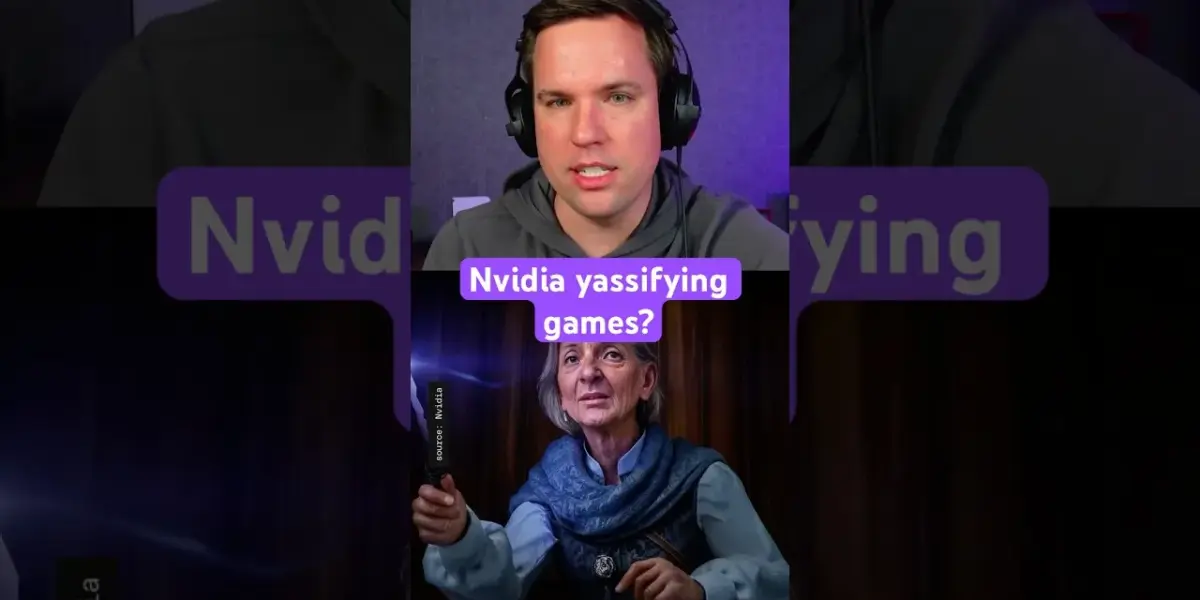
Nvidia’s AI Upscaling Sparks Debate Among Gamers
Nvidia’s latest AI technology for gaming, DLSS (Deep Learning Super Sampling), is drawing attention, but not always for the right reasons. This technology uses artificial intelligence to make games look better and run faster. However, some gamers feel it’s changing the intended look of characters, giving them an almost artificial, “Instagram-ready” appearance.
DLSS works by rendering a game at a lower resolution and then using AI to scale it up to a higher resolution. This process is efficient. It can lead to higher frame rates and better visuals, especially on less powerful graphics cards. It’s a clever way to boost performance without sacrificing too much visual quality. But this cleverness has led to some unexpected and controversial side effects.
What’s the Controversy?
The main issue is how DLSS affects character models, particularly faces. Some players have noticed that when DLSS is enabled, characters can appear smoother, with sharper features that look almost too perfect. This has led to comparisons of characters being “yassified,” a slang term suggesting they’ve been given an overly polished, model-like makeover. It’s like applying a beauty filter to real people, but here it’s being applied to digital characters.
Players and critics point out that artists spend a lot of time designing characters to look a certain way. These designs are intentional. When AI upscaling changes these features, it can feel like it’s disrespecting the original artistic vision. Instead of enhancing the game, it’s altering the characters’ identities in ways that weren’t planned by the game developers.
Understanding DLSS
DLSS is a powerful tool for gamers. It’s designed to improve performance. Imagine playing a game that’s very demanding. Without DLSS, your graphics card might struggle, leading to choppy gameplay. DLSS renders the game at a lower quality, like looking at a slightly blurry picture. Then, its AI brain sharpens that picture up, making it look high-definition again. This is much easier for your graphics card, so the game runs smoother.
The AI behind DLSS is trained on vast amounts of data. It learns how to reconstruct details and improve image quality. This is why it can upscale images so effectively. It’s not just stretching the image; it’s intelligently adding detail. However, the AI’s interpretation of “better” can sometimes clash with artistic intent. It might smooth out textures or alter facial structures in ways that look unnatural to some viewers.
Who Should Care?
Gamers who prioritize visual fidelity and artistic integrity will want to pay attention. If you care about how game characters are designed and want them to look exactly as the artists intended, you might want to be cautious with DLSS. Players with mid-range or older graphics cards might find DLSS essential for enjoying modern games at higher resolutions and frame rates. It offers a significant performance boost.
For competitive gamers, higher frame rates are crucial. DLSS can provide that edge. However, if you’re someone who appreciates the subtle details in character design and dislikes overly smoothed or “plastic”-looking faces, you might prefer to play without DLSS or with it set to a less aggressive mode if available. It really depends on your personal preference for visual output.
The Verdict
Nvidia’s DLSS is a remarkable piece of technology. It offers tangible benefits in terms of gaming performance. It makes high-fidelity gaming more accessible. However, the current debate highlights a growing tension between AI-driven enhancements and artistic vision. As AI in gaming evolves, finding a balance will be key. Developers and Nvidia will need to work together to ensure these tools enhance games without compromising the art.
For now, gamers have a choice. You can embrace the performance gains and accept the visual trade-offs. Or you can stick to native resolutions and potentially lower frame rates to preserve the original look. The “yassification” of game characters is a sign of AI’s growing power and its potential to reshape our digital experiences in surprising ways.
Specs & Key Features
- Technology: Deep Learning Super Sampling (DLSS)
- Function: AI-powered upscaling for games
- Benefits: Improved frame rates, higher resolutions, better performance on lower-end hardware
- Potential Drawbacks: Can alter character appearance, leading to overly smoothed or unnatural features
- Target Hardware: Nvidia GeForce RTX graphics cards
Source: Is Nvidia yassifying games? #Vergecast (YouTube)

Related Articles

Nvidia’s New Chips Fuel AI Agent Boom, Eye $10 Trillion
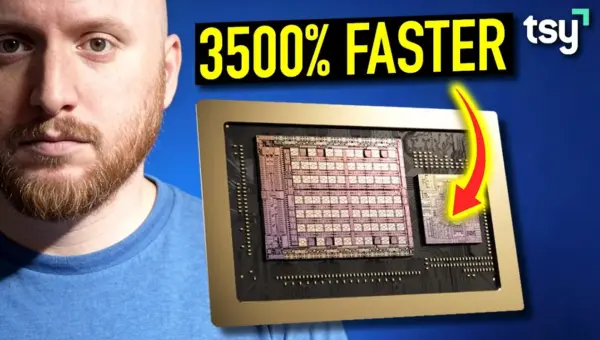
Nvidia's new Vera Rubin AI platform, featuring specialized chips like the Grok LPU, is poised to revolutionize AI processing for autonomous agents. This innovation is expected to drive massive data center spending and solidify Nvidia's position as a potential $10 trillion company.

Sony Reverses PC Strategy, Shuts Down PlayStation PC Games
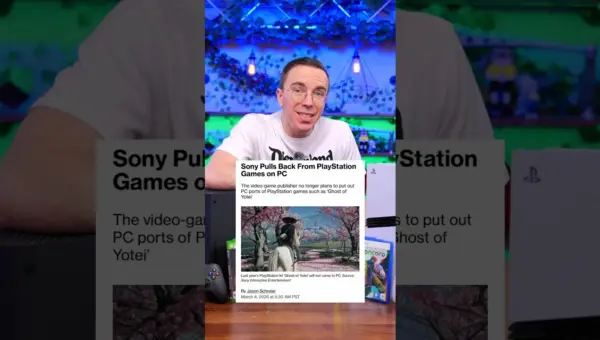
Sony is reportedly halting the release of single-player PlayStation games on PC. This strategic U-turn appears driven by lower-than-expected PC sales and the growing influence of competitors like Xbox and Valve. The move emphasizes Sony's commitment to its console hardware.

NVIDIA DLSS 5 Promises Stunning Visuals
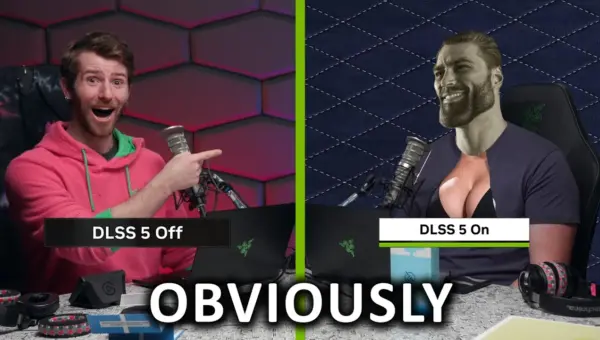
NVIDIA's DLSS 5 technology promises a significant leap in gaming visuals and performance. By leveraging advanced AI, it aims to deliver stunningly realistic graphics and smoother gameplay, making high-fidelity gaming more accessible. Gamers and PC enthusiasts should watch this space closely.