Nuclear Shield: Why Putin Remains Untouchable by Trump’s Fury
The US-Israeli strikes on Iran highlight a critical geopolitical distinction: Russia's nuclear arsenal acts as an unassailable shield against similar direct action. This analysis delves into the nuances of international responses, the limitations of 'axis of evil' narratives, and the pragmatic nature of state alliances in a world grappling with disorder.

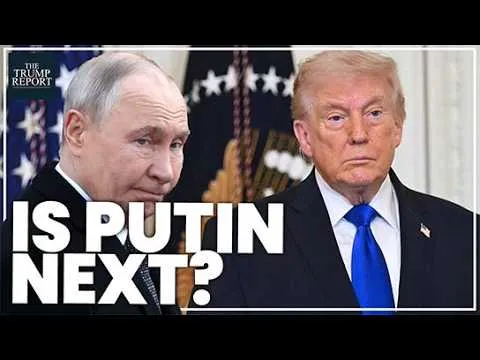
A Tale of Two Strikes: Iran vs. Russia
In the complex geopolitical chess game, the recent US-Israeli strikes against Iran, targeting its leadership and nuclear program, have drawn a stark contrast in international response. While European allies publicly endorsed the actions, driven by the urgent need for transatlantic unity amidst the Ukraine conflict, a palpable apprehension simmers beneath the surface. This caution stems not from a lack of concern regarding the US administration’s assertive foreign policy, but from a deep-seated understanding of a fundamental geopolitical reality: Russia’s nuclear arsenal. As Hannah Notte, director of the Eurasia Non-Proliferation Program at the James Martin Center for Nonproliferation Studies, explains, the willingness to “eradicate the Iranian regime” is met with a profound hesitancy to replicate such actions against Russia. The reason is chillingly simple: Russia is a nuclear weapon state, and the specter of escalation has long dictated a more restrained Western approach to Moscow.
The Nuclear Deterrent: A Shield Against Retaliation
The strategic implications of nuclear weapons cannot be overstated. While the United States and its allies can project power and impose consequences on non-nuclear states like Iran, the calculus shifts dramatically when confronting a nuclear-armed adversary. The fear of a nuclear exchange, however limited, acts as an ultimate deterrent, ensuring that direct military confrontation is a path fraught with existential risks. This is precisely why, as Notte points out, “Russia is not Venezuela or Iran.” The ability to conduct a swift, decisive operation against a leadership structure is unthinkable when that leadership is backed by a formidable nuclear deterrent. The commentary emerging from Russian military bloggers and experts reflects this sentiment, highlighting a perceived “US impunity” and reinforcing the belief that nuclear weapons are the ultimate guarantor of safety in an increasingly unpredictable world.
Beyond the ‘Axis of Evil’: A Messier Reality
The notion of a unified “axis of evil” comprising Russia, China, Iran, and North Korea, as posited by some analysts, is challenged by Notte’s assessment. While these nations may share common grievances against the West and exhibit some degree of cooperation, their alliances are far from monolithic or unconditional. The current Middle East conflict, for instance, has highlighted the limitations of this purported alignment, with Russia and China refraining from direct military intervention in support of Iran. Notte argues for a more nuanced understanding of the current global landscape, describing it not as a prelude to a World War II-style confrontation, but as a “protracted period of disorder” characterized by a global hedging strategy rather than rigid bloc alignment. Many nations are navigating this transition by seeking to maintain relationships with multiple powers, rather than committing to a single camp.
Russia-Iran Cooperation: Pragmatism Over Partnership
The military cooperation between Russia and Iran, particularly in the provision of drones and related technology, has been a significant aspect of the Ukraine conflict. However, this relationship, often characterized as an alliance, is more accurately described as a pragmatic partnership driven by mutual interest rather than a mutual defense pact. As Russia has developed its own domestic drone production capabilities, its reliance on Iran has diminished. Furthermore, Russia’s response to the recent conflict in the Middle East, or its lack thereof, underscores the transactional nature of its foreign policy. Moscow prioritizes its objectives in Ukraine, and its support for partners like Iran is contingent on its own strategic calculus and the absence of significant costs or risks to its core interests.
The Oil Price Conundrum and Russian Revenues
The geopolitical tremors emanating from the Middle East have a direct impact on global energy markets. The strikes on Iran have sent oil prices soaring, driven by fears of supply disruptions. This price surge, while potentially beneficial for Russia by increasing its export revenues, also presents a complex dilemma for Western nations. The desire to punish Russia for its aggression in Ukraine is tempered by the need to avoid further destabilizing global energy markets and alienating domestic consumers. The effectiveness of sanctions against Russian oil exports is further complicated by factors such as India’s continued purchases and potential shifts in Chinese import patterns. The interplay of these factors suggests that while sanctions remain a key tool, their impact can be blunted by broader market dynamics and the strategic priorities of other global players.
Munitions Stockpiles and the Specter of Diversion
The discourse surrounding munition stockpiles, particularly in the context of US support for Ukraine and the recent strikes in the Middle East, has become a point of contention. While former President Trump has asserted an “unlimited supply” of weapons, suggesting a robust capacity for sustained conflict, Notte cautions against such pronouncements. The reality, she suggests, involves professional military assessments that acknowledge the need for preparedness in protracted conflicts. The potential diversion of crucial interceptor systems, such as Patriots, from Ukraine to address the escalating tensions in the Middle East is a genuine concern. This highlights the delicate balancing act required to manage multiple security crises simultaneously, with potential implications for the ongoing conflict in Ukraine.
Negotiations in Limbo
The current geopolitical climate, dominated by the conflict in the Middle East, casts a shadow over ongoing peace negotiations for Ukraine. While talks may continue, their progress is likely to be hampered by the diversion of attention and resources. More significantly, Notte posits that prior to the escalation in the Middle East, the negotiations for Ukraine were already stalled, with Russia unwilling to make meaningful concessions. The current situation, she argues, may even alleviate some pressure on Moscow by diverting global attention. The path to a resolution in Ukraine remains arduous, contingent on Russia’s willingness to abandon its maximalist aims and engage in genuine diplomacy, a prospect that currently appears distant.
Why This Matters
The analysis presented underscores a critical truth: nuclear weapons remain the ultimate equalizer in international relations. The ability of states like Russia to deter direct military action from nuclear-armed rivals fundamentally shapes global security dynamics. This reality complicates efforts to hold aggressor states accountable and necessitates a strategic approach that balances deterrence with de-escalation. Furthermore, the interconnectedness of global conflicts, from Ukraine to the Middle East, highlights the fragility of international order and the challenges of managing multiple crises simultaneously. The economic implications, particularly concerning energy markets and the financing of wars, add another layer of complexity. Ultimately, understanding these dynamics is crucial for navigating a world characterized by increasing disorder and the persistent threat of escalation.
Looking Ahead
The future outlook suggests a continued period of geopolitical flux. The strategic importance of nuclear deterrence will likely be re-emphasized by nuclear-armed states, particularly in response to perceived American assertiveness. The pragmatic, interest-driven nature of international partnerships will continue to shape alliances, with mutual defense commitments remaining rare. The global energy market will remain a critical nexus of geopolitical influence, with potential for further volatility. For Ukraine, the path to peace remains obstructed by Russia’s current unwillingness to de-escalate. The international community faces the ongoing challenge of managing competing crises, maintaining diplomatic pressure, and seeking pathways to stability in a world where the old order is demonstrably eroding.
Source: Why Trump won’t do to Putin what he did to Khamenei | Hannah Notte (YouTube)

Related Articles

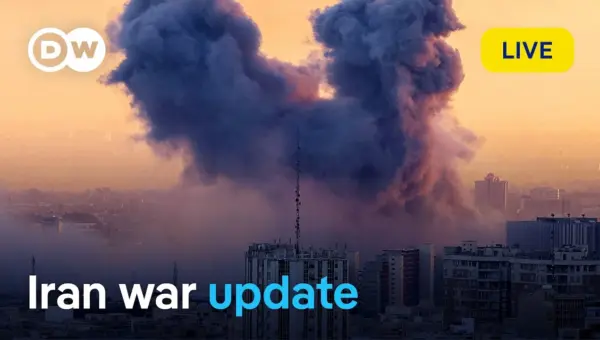
Middle East Erupts: Iran, US, Israel Escalate Regional Conflict
The Middle East is engulfed in a widening conflict as Iran, the US, and Israel engage in escalating strikes. With new explosions in Iran and attacks on Hezbollah in Lebanon, regional stability is severely threatened. The potential closure of the Strait of Hormuz looms, raising concerns about global economic impact.


Iran Faces World Cup Ouster After Regional Attack
Iran's participation in the 2026 FIFA World Cup is in jeopardy following a recent attack involving Israel and the US. The head of Iran's football federation expressed deep concern, while fans remain divided. FIFA regulations allow for decisive action should Iran withdraw.
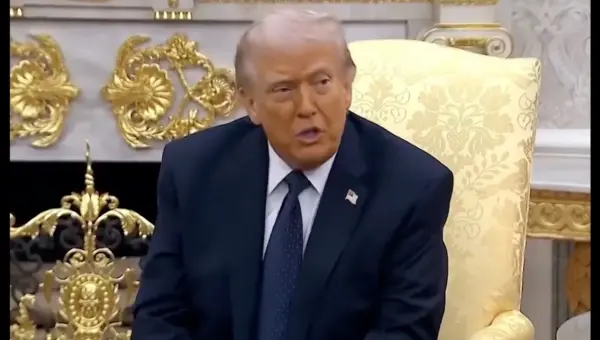
Trump’s Iran War: A Ballroom Builder’s Fatal Flaw
Donald Trump's decision to initiate military action against Iran is scrutinized, revealing a potential lack of strategic foresight and a troubling focus on personal projects over national security. The analysis contrasts the perceived chaos of war planning with the meticulous attention given to a White House ballroom, raising questions about presidential priorities and fitness for office.