Nostalgic Nameplates: Who Botched the Revival More?
The revival of iconic automotive nameplates is a double-edged sword. We examine whether General Motors' Chevrolet Blazer or Honda's Prelude botched their modern interpretations more severely, concluding that the Blazer's identity shift was the more egregious error.


Reviving Icons: A Tale of Two Missed Opportunities
The allure of a resurrected nameplate is a powerful marketing tool. Automakers often tap into the nostalgia of past glories, hoping to capture the hearts – and wallets – of consumers who remember these vehicles fondly. However, not all revivals hit the mark. In fact, some can be downright disastrous. We’re looking at two prime examples: General Motors’ Chevrolet Blazer and Honda’s Prelude. While both sought to capitalize on beloved monikers, the execution of their modern interpretations left much to be desired, sparking debate about which automaker fumbled the opportunity more profoundly.
The Honda Prelude: A Fond Memory Tarnished?
The Honda Prelude, particularly in its earlier generations, holds a special place in the hearts of many automotive enthusiasts. Known for its sporty handling, stylish design, and engaging driving dynamics, it was a darling of the 1980s and 90s. However, the transcript suggests that the final iteration, the fifth-generation Prelude, which bowed out in 2002, was already showing its age. While time and distance can sometimes imbue older cars with a rose-tinted glow, making them more beloved in retrospect than they were at the time, the Prelude’s final act may not have been a triumphant one.
The implication from the discussion is that the Prelude, by the end of its production run, was a dated product. While enthusiasts might look back fondly on its legacy, the reality at the time may have been that the nameplate had lost some of its luster. Without specific details on performance figures, pricing, or trim levels for the final Prelude generation, it’s difficult to definitively assess its market performance. However, the sentiment expressed suggests it was not the triumphant send-off many might have hoped for, potentially falling short in terms of power and value proposition even then.
The Chevrolet Blazer: A Spiritual Betrayal?
The Chevrolet Blazer, on the other hand, has a heritage rooted in rugged, off-road capability. For decades, it was synonymous with adventure, capable of tackling trails and hauling gear. This legacy stands in stark contrast to the modern Chevrolet Blazer, which has been repositioned as a unibody crossover. This fundamental shift in its identity is where the criticism truly bites.
The transcript argues that GM missed a golden opportunity. With competitors like the Ford Bronco, Jeep Wrangler, and Toyota 4Runner selling in significant numbers by leveraging their off-road prowess, GM’s decision to create a mainstream crossover and slap the Blazer name on it seems perplexing. The assertion is that the new Blazer primarily appeals to rental fleets, a demographic that prioritizes volume and general usability over heritage or off-road credentials. This strategy, the argument goes, is a disservice to the Blazer nameplate and its loyal following.
A Fork in the Road: Missed Opportunities
The discussion highlights a critical divergence in how these nameplates were handled. For the Blazer, the critique is that GM shied away from its off-road roots. The potential was there to create a true competitor to the Bronco and Wrangler, or at least a more capable, rugged SUV that could have carried the Blazer banner with pride. Instead, GM opted for a more conventional, car-based platform, essentially creating a vehicle that could have been named anything but the Blazer.
The comparison to Ford’s Mustang revival in 2005 is particularly poignant. After a period where the Mustang’s future seemed uncertain with the ‘New Edge’ design, Ford delivered a stunning redesign that revitalized the pony car. The transcript suggests that GM could have achieved a similar feat with the Blazer, reinventing it as a capable off-roader. The implication is that GM is perhaps too risk-averse when it comes to producing dedicated off-road vehicles, even when the market is clearly demonstrating demand. This conservatism, it seems, led to the dilution of the Blazer’s identity.
Who is the Target Buyer?
The modern Chevrolet Blazer appears to be aimed at buyers looking for a stylish, city-friendly crossover with a hint of sportiness. It competes in a crowded segment against vehicles like the Ford Edge, Hyundai Santa Fe, and Kia Sorento. Its unibody construction and focus on on-road comfort make it suitable for daily commuting and family duties. However, for those who remember the Blazer of old, or who are seeking genuine off-road capability, this modern iteration falls short.
The Honda Prelude, in its final form, likely targeted buyers seeking a sporty, reliable coupe with Honda’s reputation for quality. It would have competed against vehicles like the Toyota Celica, Mitsubishi Eclipse, and perhaps even entry-level luxury coupes. The critique suggests that even within its intended market, it may have struggled due to being underpowered or overpriced relative to its competition and its own legacy.
Value Proposition and Verdict
Determining the value of these resurrected nameplates is complex. The Chevrolet Blazer, while a competent crossover, arguably fails to deliver on the inherent promise of its name. If you’re looking for an off-road-ready vehicle, the Blazer is not it, making its historical badge a potential misdirection. Its value lies in its contemporary crossover attributes – styling, technology, and a comfortable ride – but at the cost of its heritage.
The Honda Prelude’s value, as implied, was potentially compromised by being underpowered and overpriced. While the final generation might have offered Honda’s typical refinement, it seemingly failed to capture the spirit that made earlier Preludes desirable, or to offer a compelling package against its contemporaries. Without specific pricing and performance data, a definitive value judgment is difficult, but the sentiment points towards a missed opportunity.
Conclusion: GM’s Blazer Takes the L
While both automakers faced the challenge of reviving storied nameplates, the consensus presented in the transcript leans heavily towards General Motors handling the Blazer revival worse. The fundamental redefinition of the Blazer from a capable, rugged SUV to a mainstream unibody crossover is seen as a betrayal of its heritage. Honda’s Prelude, while perhaps a less inspiring final act than hoped, didn’t fundamentally alter the vehicle type associated with the nameplate in the same drastic way. For enthusiasts seeking to connect with the past, the modern Blazer feels like a different vehicle entirely, whereas the Prelude, despite its shortcomings, remained a sporty coupe. Therefore, the Blazer’s revival is deemed the greater misstep.
Source: Which automaker handled a nostalgic nameplate worse? (YouTube)

Related Articles

Quirky Rides: Top 10 Unique Cars Under $25,000
Discover the most unique and characterful vehicles you can buy for under $25,000. From three-wheeled marvels to retro icons, these quirky cars offer individuality and fun without breaking the bank.

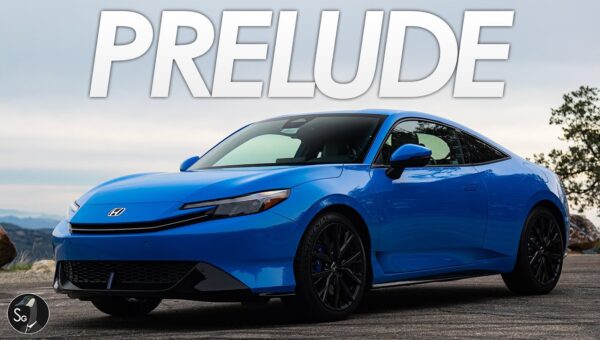
2026 Honda Prelude: A Hybrid Return with Mixed Feelings
The 2026 Honda Prelude returns after a 25-year hiatus, blending a 200-hp hybrid powertrain with sporty chassis elements. While engaging on backroads, its $42,000 price and Civic-based roots present a value proposition that may divide enthusiasts.

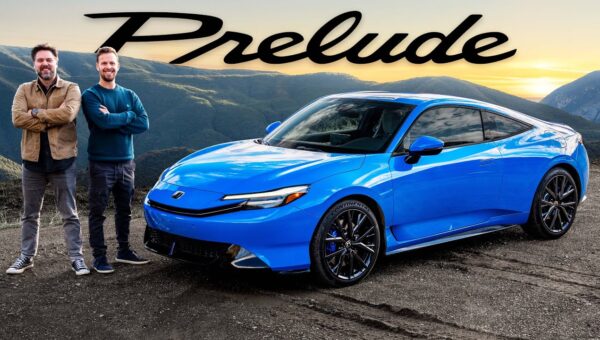
2026 Honda Prelude: A Hybrid Coupe That Divides
The 2026 Honda Prelude returns as a stylish hybrid coupe, but its high price and unconventional powertrain have sparked debate. While offering a comfortable grand touring experience and competent handling derived from the Civic Type R, its value proposition is questioned against more performance-focused or practical alternatives.