Norway’s Ketamine Crisis: Party Drug Fuels Oslo’s Growing Problem
Ketamine's recreational use is surging in Oslo, Norway, posing significant public health and law enforcement challenges. Once a medical anesthetic, the drug's popularity in clubs and festivals is linked to addiction and severe health risks, including irreversible bladder damage. Authorities are struggling to combat a rising tide of illegal imports.

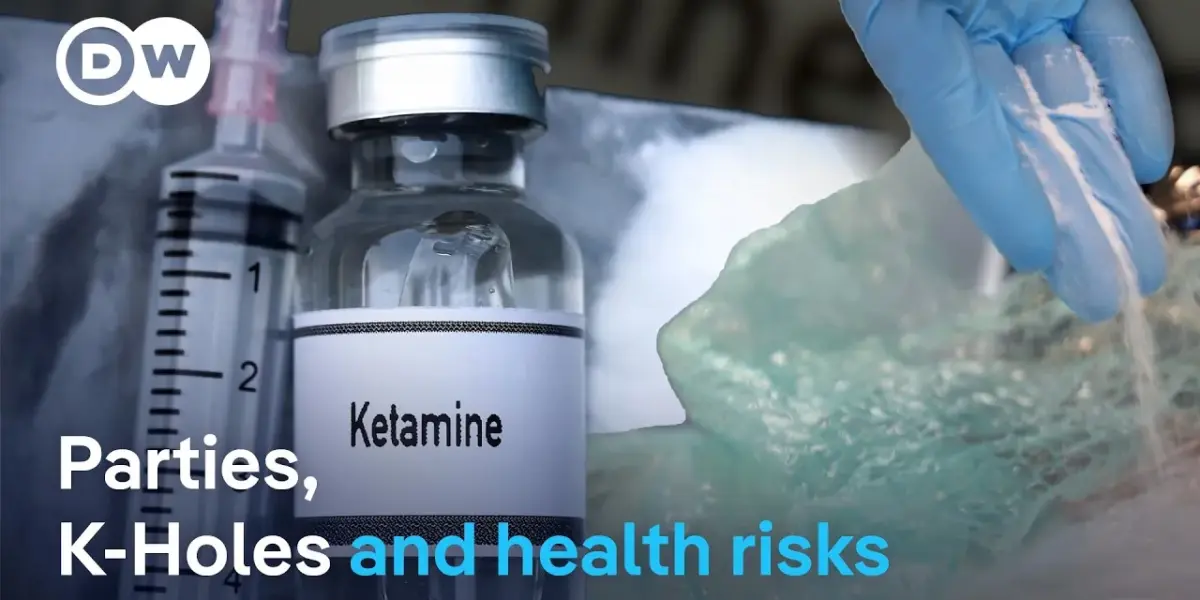
Oslo Grapples with Rising Ketamine Abuse
Oslo, Norway – Ketamine, a drug known for its anesthetic properties and growing popularity in Europe’s party scene, is fueling a significant drug problem in Norway’s capital. Once confined to medical settings, ketamine’s recreational use has surged, particularly in Oslo, creating challenges for law enforcement and public health officials. The drug’s allure at festivals and clubs, coupled with its perceived lower risk compared to other substances, has led to widespread abuse, raising serious concerns about its long-term health impacts.
The Allure of Ketamine: Beyond the Club Scene
Ketamine is widely used by doctors as a pain medication and anesthetic. In recent years, it has also gained attention for its potential in treating depression. However, its hallucinogenic effects have made it a popular choice for recreational use, especially among young adults attending festivals and nightclubs across Europe. In Oslo, the drug has become a staple for many clubgoers, with some admitting that parties feel incomplete without it.
One individual shared, “Rave without ketamine is boring.” This sentiment highlights how deeply ingrained the drug has become in certain social settings. While the general public may not support its legalization, the drug’s accessibility and euphoric effects continue to draw users. For some, ketamine offers an escape from daily stresses. “If you take bigger doses, things quiet down around you and you stop thinking about your day-to-day problems,” explained a former user. “You’re standing beside yourself and your problems.”
Health Risks and ‘The K-Hole’
Despite its recreational appeal, ketamine abuse carries significant health risks, as warned by medical professionals. Dr. Aa Mumbi, who works with a first aid team at large raves, described the dangers of overdose. Users can enter a state known as a “k-hole,” where they lose control and can collapse. “Those are usually brief episodes, but people collapse and it’s hardly any different from other critical drug conditions,” she stated.
Beyond immediate overdose risks, long-term ketamine abuse can lead to severe and irreversible bladder damage. This physical toll is often overlooked by users who perceive ketamine as less harmful than alcohol. The drug is also sought after to reduce social inhibitions. “We Norwegians generally have a lot of social inhibitions, which is why people consume so much alcohol here,” noted one observer, suggesting a cultural element that may contribute to ketamine’s popularity.
Norway’s Battle Against Illicit Ketamine
Norway took steps to curb non-medical ketamine use by banning its possession for such purposes in early 2026. However, critics argue that the government’s drug policies remain too lenient. “Ketamine, for example, can trigger things like fear and paranoia. It affects our children who will then need treatment. That must stop,” urged an opponent of the current policies. The concern is that the drug’s availability is impacting younger generations, necessitating intervention.
The primary challenge for Norwegian authorities is the influx of illegal ketamine, largely entering the country through mail. Customs officials report a dramatic increase in intercepted quantities. “We used to have one piece of mail containing 5 to 5 grams at most. In 2025, we intercepted whole packages each containing up to 5 kilograms of ketamine,” reported a customs officer, illustrating a disturbing new trend. This surge in large-volume seizures indicates a more organized and widespread trafficking operation.
Addiction and the Road to Recovery
The ease of access to ketamine on Oslo’s black market is a significant factor contributing to addiction. A former user recounted their experience: “At some point, I realized that every time my ketamine stash ran out, I immediately had to buy more. I consumed it every evening. And at some point, I understood I’d gotten addicted. I just had to stop.” This personal testimony underscores the powerful addictive nature of the drug.
Despite the challenges, recovery is possible. The individual’s decision to stop highlights the personal resolve required to overcome addiction. However, factors like Norway’s long winters and a societal fear of loneliness may continue to drive demand for substances like ketamine, presenting an ongoing battle for public health officials and law enforcement agencies in the region.
Looking Ahead
As Norway continues to confront the escalating ketamine problem, the focus will likely remain on strengthening border controls, enhancing public awareness campaigns about the drug’s risks, and providing accessible treatment options for those struggling with addiction. The effectiveness of current policies and the potential for new strategies to combat the illegal drug trade will be crucial in addressing this growing public health crisis.
Source: Ketamine: Norway and its huge drug problem | Focus on Europe (YouTube)

Related Articles


Food Stamp Rules Tighten: States Ban Soda and Candy
Several states are now banning the purchase of soda and candy with SNAP benefits. This move, supported by the Agriculture Department, aims to ensure taxpayer money funds nutritious options. However, critics argue these restrictions undermine food security and personal choice.


New COVID Variant Fuels Health Concerns Amid Allergy Season
A new, more contagious COVID-19 variant from the Omicron family is spreading across the U.S., detected in wastewater and potentially evading vaccines. The timing complicates symptom identification as allergy season begins, with experts advising symptom duration and accompanying fever as key differentiators.


Vaccine Hesitancy: A Doctor’s Warning on Health Risks
A doctor warns that jokes about science and vaccines can have dangerous real-world health consequences. The rise of misinformation is linked to outbreaks of preventable diseases like measles and the rejection of essential newborn care.